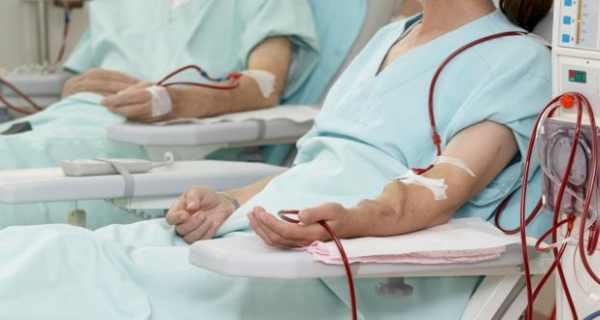
 New Delhi: In a recent development, the Union Health Ministry notified 8 more medical devices categories including the entire range of implantable devices as drugs— all implantable devices, MRI equipment, PET, bone marrow separators, dialysis machines, CT Scan and defibrillators. Healthcare community has questioned this decision citing patients’ safety.
Ironically, the notification comes at a time when the medical industry in the country was hoping for a separate regulatory framework for devices. All set to come into effect from April 2020, the decision has left the healthcare experts questioning the approach behind the move.
‘This sends confused messages to the public and healthcare community as we were expecting a separate regulatory act for devices. While I agree that the Central Drugs Standard Control Organisation has substantial experience in regulating this healthcare, but we need a scientific approach to regulatory issues particularly for devices which are engineering-driven products and not chemical entities like drugs. You cannot ensure patient safety by putting drugs and devices under the same regulations? The notice lacks clarity. Is an implantable device the same as a medicine?’ said Dr B B Chanana, Head of Department Interventional Cardiologist, Maharaja Agrasen Super Specialty Hospital.
 ‘It is not just an issue of which word we use. The usage of drugs and equipment are completely different. Medical devices and pharmaceuticals vary in their development, evolution, manufacturing, method of delivery, and impact on patients. Each one of these devices has a unique functionality. An implantable device cannot be treated the same as a drug. You cannot have both under the same banner. This will not help patients but risk their lives even more,’ said Dr. Tejinder Kataria, Chairperson Radiation Oncology, Cancer Institute Medanta – The Medicity.
The medical experts argue the move will do little to improve the condition of the already “unregulated” medical device sector in India.
‘Let’s not forget that India imports a major share of its medical devices. We use regulations on these devices as per international standards, or as instructed. Now, when you call a medical device a drug, the approval on its use and regulation becomes complicated. They cannot be under the same roof,’ said Mr. Mohammad Ameel, Senior Consultant, Healthcare Technologies WHOCC for Priority Medical Devices & Health Technology Policy, National Health Systems Resource Centre, Ministry of Health & Family Welfare, Govt. of India.
In fact, the Minister of Chemicals and Fertilisers, D V Sadananda Gowda, at the ‘India Pharma and Medical Device 2019’ conference in Bangalore also pointed out, “The government is cognisant of the fact that medical devices must be identified as separate from pharmaceuticals for all purposes relating to business, policy and regulations.”