
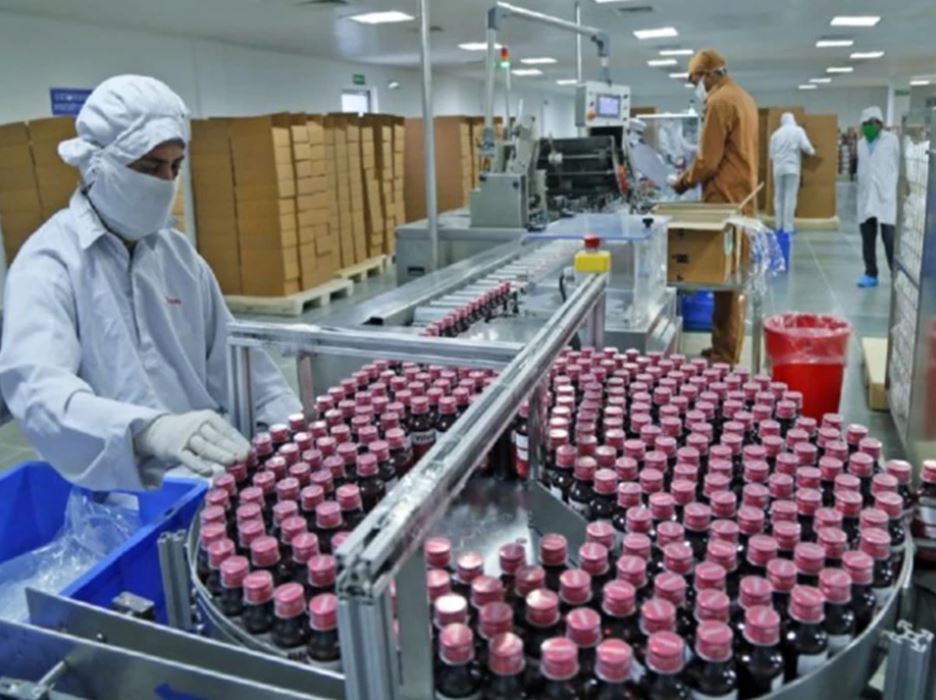
India’s pharmaceutical industry is on the verge of major expansion, with its share in the global market predicted to climb to 5% by 2030, according to a new report from Bain & Company. Currently valued at about USD 55 billion, the Indian pharma sector is projected to grow 2.2 to 2.4 times over the next six years, reaching between USD 120 billion and USD 130 billion.
The report emphasized the robust nature of India’s pharma market, noting that it could approach USD 450 billion by 2047. Although India currently contributes only 3% to 3.5% of the global pharmaceutical market, which is valued at approximately USD 1.6 trillion, the anticipated growth highlights India’s increasing prominence as a vital player in the global landscape.
Uniquely, India’s pharma exports are as substantial as its domestic sales, composing 6% of total merchandise exports by value. In 2023, pharmaceutical exports swelled to USD 27 billion from USD 19 billion in 2018, growing at an annual rate of 8%. Over 70% of these exports are formulations, with bulk drugs and intermediates making up about 20%. India also exports vaccines, biosimilars, and innovative products such as New Chemical Entities and New Biological Entities.
With over 10,000 manufacturing facilities, 3,000 pharmaceutical companies, and 650 US-FDA-compliant plants, India has established itself as a global pharmaceutical hub, being the largest supplier of generic medicines worldwide. Indian products are exported to nearly 200 countries, meeting around 50% of Africa’s and 40% of the United States’ demand for generics. India’s ability to produce high-quality, cost-effective medicines has earned it the title ‘pharmacy of the world’.
However, in terms of export value, India’s position is less dominant, ranking 11th globally with its pharmaceutical exports making up 3% of the total. With strong domestic demand, growing international exports, and innovations in the pharmaceutical sector, India’s industry is poised for substantial growth in the upcoming years.
Source: (ANI)




%20In%20Drug%20Development)