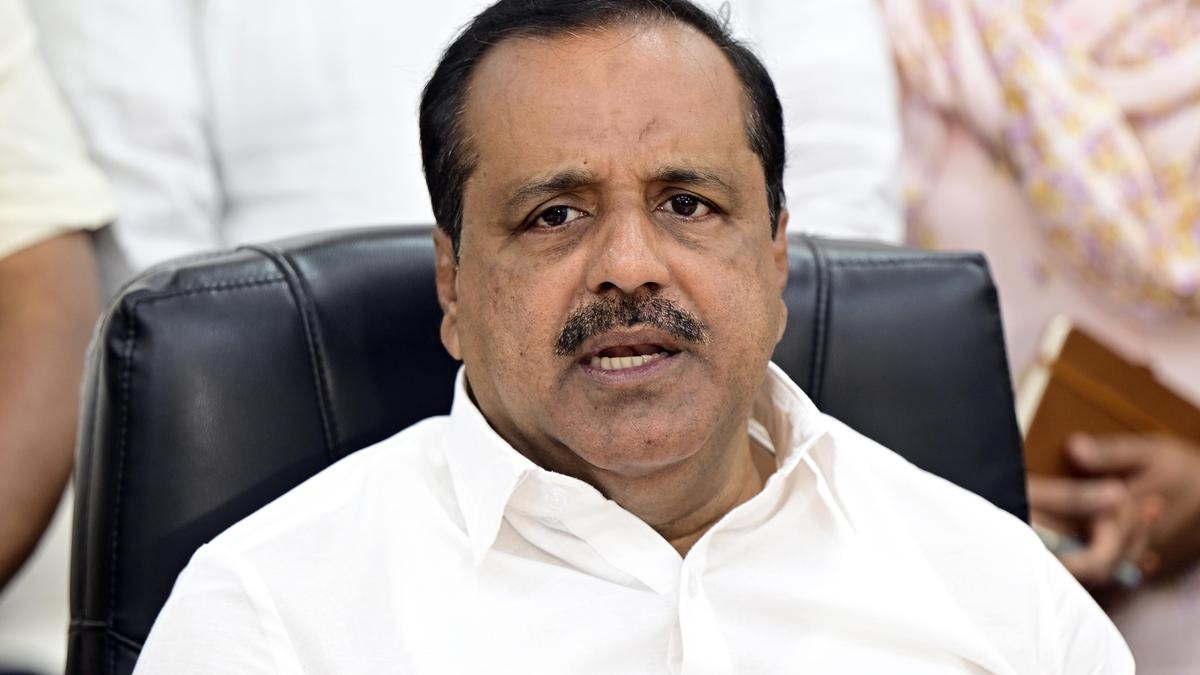
New Delhi: The Indian Council of Medical Research (ICMR) on Monday distanced itself from BHU’s study on Covaxin and called it “poorly designed”. ICMR Director General Dr Rajiv Bahl wrote a letter to the authors of the paper and editor of the journal to immediately remove the acknowledgement to the medical body and publish an erratum, according to the news agency ANI.
“BHU study on the side effects of Covaxin erroneously acknowledges ICMR. The ICMR cannot be associated with this poorly designed study which purports to present a “safety analysis” of Covaxin,” Bahl said.
Earlier this month, a team of researchers at BHU conducted a one-year follow-up study on Covaxin, manufactured by Hyderabad-based Bharat Biotech. According to the study, nearly one-third of the individuals who received the Covaxin vaccine reported ‘adverse events of special interest’ or AESI.
The study found that nearly 50 per cent of 926 study participants in the study complained of infections during the follow-up period, predominated by viral upper respiratory tract infections. Serious AESI, which included stroke and Guillain-Barre syndrome, was reported in one per cent of individuals, the study, which looked at the long-term safety of the BBV152 vaccine in adolescents and adults, claimed.
Published in the journal Springer Nature, the study comes in the wake of UK pharmaceutical giant AstraZeneca admitting its Covid vaccine can cause rare side-effects of blood clotting and lowering of platelet count in UK court. “Close to one-third of the individuals developed AESIs. New-onset skin and subcutaneous disorders, general disorders, and nervous system disorders were the three most common disorders observed in adolescents after receiving the vaccine,” the study, conducted from January 2022 to August 2023, said.
The study involved 635 adolescents and 291 adults, who received the BBV152 vaccine. The participants were interviewed telephonically about long-term adverse events of special interest after 1 year of vaccination.
New-onset skin and subcutaneous disorders (10.5 per cent), general disorders (10.2 per cent), and nervous system disorders (4.7 per cent) were the common AESIs in adolescents. General disorders (8.9), musculoskeletal disorders (5.8 per cent), and nervous system disorders (5.5 per cent) were the common AESIs in adults.
Menstrual abnormalities were noticed in 4.6 per cent of female participants. Ocular abnormalities and hypothyroidism were observed in 2.7 per cent and 0.6 per cent of participants Four deaths (three female individuals, one male individual) were reported in adults, the study added.
All four had diabetes, while hypertension in three, and a history of pre-vaccination COVID-19 was present in two of them. Stroke was the main contributor in two deaths and one fatality was due to post-COVID-19 rhinocerebral mucormycosis, which supposedly disseminated after vaccination as reported by the caregivers.
The fourth death happened in a woman with multiple episodes of unconsciousness post-vaccination, the etiology of which remained unidentified till death. In the absence of a definite causality association, no conclusions can be drawn from these events.
With the majority of AESIs persisting for a significant period, extended surveillance of COVID-19-vaccinated individuals is warranted to understand the course and outcomes of late-onset AESIs, the study underlined.
After safety concerns were raised about AstraZeneca’s Covishield, Bharat Biotech said that it developed Covaxin with a single-minded focus on safety first, followed by efficacy. The vaccine maker said safety of Covaxin was evaluated by the Ministry of Health, Government of India. It said Covaxin was evaluated in more than 27,000 subjects as part of the licensure process.
“It was licenced under restricted use in clinical trial mode, where detailed safety reporting was carried out for several hundred thousands subjects…All the above studies and safety follow-up activities have demonstrated an excellent safety record for Covaxin, without any vaccine-associated incidents of block clot, Thrombocytopenia, TTS, VIT, pericarditis, myocarditis.”