The pharmaceutical industry, known for its rigorous research, complex drug development pipelines, and use of cutting-edge technology, is undergoing a transformation thanks to AI. From applications such as disease identification and diagnosis, drug discovery, optimization of clinical trials, or improving manufacturing efficiency, AI is accelerating the industry. With vast amounts of biological, chemical, and patient data at its disposal, the pharma industry is uniquely positioned to harness AI’s full potential. Because, after all, data is the heart of AI and the pharma industry has lots of data at it’s disposal.
But how exactly is AI reshaping pharma, and what does this mean for the future of drug development and medicine?
Accelerating Innovation and Reducing Drug Development Costs
Traditional drug development is a slow, expensive process. It is not uncommon for this process to take over a decade and billions of dollars to bring a new drug and treatment to market. However, now with the help of AI, pharmaceutical companies are dramatically shortening this timeline and can help drive down costs. AI tools are able to rapidly analyze large datasets of chemical compounds, biological interactions, and disease mechanisms.
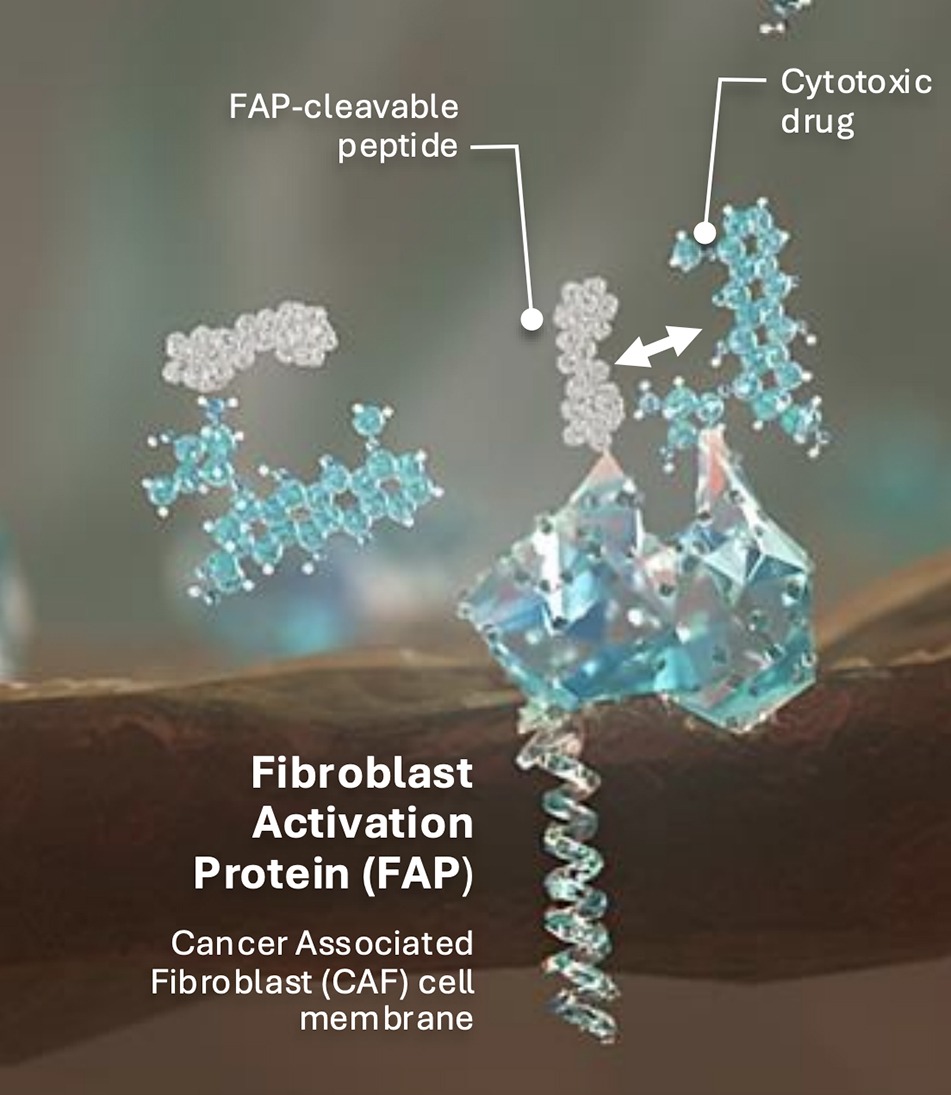
Machine learning models can predict how different compounds will interact with specific biological targets, streamlining the screening process and reducing the need for many costly and time-consuming lab experiments. Since AI is great at looking at large amounts of data quickly and identifying patterns in that data, AI can also uncover hidden patterns in genomic data. These discoveries enable researchers to design drugs that precisely target diseases at a molecular level.
Beyond new drug discovery, AI is also accelerating drug repurposing. Oftentimes, there are drugs that are already developed and out on the market that can be found to effectively treat other diseases or conditions. There are many examples of this. Aspirin, originally developed as a pain reliever and anti-inflammatory drug, was later found to have blood-thinning properties. It is now widely used to reduce the risk of heart attacks and strokes for at-risk individuals. Ozempic, originally approved for type 2 diabetes management, has been repurposed to also be a weight loss drug.