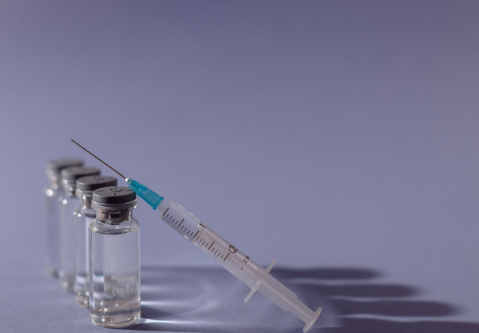

The Anti-Gang Squad of the Crime Branch of Delhi Police has busted a major interstate racket involved in the manufacturing, selling, and supplying of counterfeit lifesaving medicines. In this significant operation, six people have been arrested, including the kingpin Rajesh Mishra.
The racket had a wide network operating across several states, including Moradabad, Deoria, and Gorakhpur in Uttar Pradesh; Panipat and Jind in Haryana; and Baddi and Solan in Himachal Pradesh. Two illegal manufacturing and packaging factories were busted in Jind, Haryana and in Baddi, Himachal Pradesh.
The fake medicines were being sold under the names of reputed pharmaceutical companies such as Johnson & Johnson, GSK, and Alkem. The accused operated in a discreet and organised manner, communicating through encrypted apps and managing money transactions via fictitious accounts and hawala channels.
The breakthrough came when Head Constable Jitendra received a tip-off from an informer about a large consignment of fake medicines arriving in Delhi. Acting swiftly on this input, a trap was laid at a petrol pump in Civil Lines on July 30. A WagonR car with a UP registration was intercepted, leading to the arrest of Mohammad Alam and Mohammad Salim, both residents of Moradabad.
A large quantity of fake Ultracet and Augmentin tablets was recovered from the vehicle. Representatives from Johnson & Johnson and GSK, who were present at the spot, confirmed the packaging and stamping were counterfeit, which was later validated through lab tests.
Investigations revealed that the accused had initially made contact through social media platforms like Facebook. The packaging boxes for fake medicines were sourced from different locations, while foil and blister packing materials were ordered from Baddi. The counterfeit drugs were manufactured in factories located in Jind and Baddi, and distributed by road and rail across various regions.
Money from the operations was received through fake bank accounts and hawala transactions. Mohammad Alam was primarily responsible for supplying the fake medicines in the NCR region, assisted by his brother Mohammad Salim in transportation and logistics. Another accused, Mohammad Zubair from Moradabad, was identified as a key supplier, with his involvement confirmed through WhatsApp conversations and financial records.
Prem Shankar Prajapati from Deoria handled the movement of drugs from the manufacturing units to the distributors, while Rajesh Mishra from Gorakhpur was identified as the mastermind behind the entire operation, overseeing the production and network management. Parmanand from Jind ran a unit named ‘Laxmi Maa Pharma,’ where fake Ultracet tablets were being manufactured.