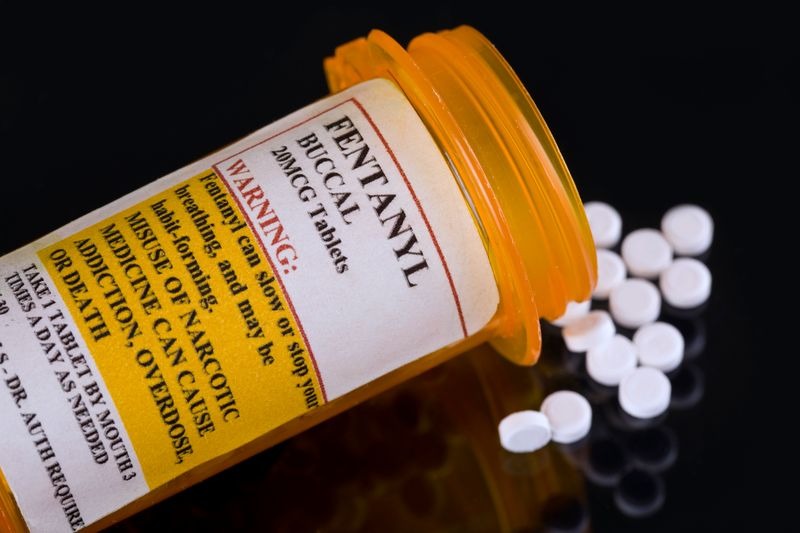
Punjab: The Narcotics Control Bureau (NCB) has uncovered an alleged pharmaceutical-drug diversion network operating through rural areas of Punjab. Investigators are tracing the movement of fentanyl and other drugs regulated under the Narcotic Drugs and Psychotropic Substances (NDPS) Act from legitimate pharmaceutical channels into unauthorised outlets.
According to a report published by The Chenab Times on August 12, the investigation began after the NCB, in coordination with a Drug Inspector, searched a private establishment, Chan Medicos, at Attari on June 1. They recovered 742 dosage units of NDPS-covered pharmaceutical drugs allegedly stocked without valid authorisation. The investigation subsequently led authorities to a pharmacist based in Moga who is suspected of diverting pharmaceutical NDPS drugs, including fentanyl and ketamine, into unauthorised channels. The pharmacist is reportedly absconding, while a doctor has also been arrested in connection with the investigation.
The Attari operation reportedly revealed serious deficiencies in the establishment’s drug-management system. Investigators allegedly found that the premises were operated from a clinical setup in which a pharmacist was purportedly impersonating a doctor. Records were also allegedly manipulated and mandatory stock registers were not maintained, raising questions about how controlled pharmaceutical substances were procured, stored and accounted for.
The investigation subsequently expanded to Moga, where follow-up searches conducted on August 10 and 11 resulted in the seizure of 18,172 dosage units of pharmaceutical drugs covered by NDPS controls. The seized material reportedly comprised 9,120 tablets, 8,784 ampoules/vials, 168 transdermal patches and 100 suppositories, representing 15 different NDPS-scheduled substances. The substances reportedly included fentanyl, ketamine, tramadol, buprenorphine and morphine.
Of particular concern to drug-regulatory and enforcement authorities is the reported recovery of approximately 7.37 litres of liquid fentanyl. Fentanyl is an extremely potent opioid and legitimate pharmaceutical formulations have important medical applications, including pain management and anaesthesia. Its potency, however, makes diversion from legitimate medical channels a serious public-health and law-enforcement concern. The US Food and Drug Administration (FDA) has likewise highlighted the extreme potency of fentanyl and fentanyl-related drugs, noting that very small quantities can cause opioid overdose.
The Punjab investigation is significant because it allegedly involves diversion rather than conventional manufacture of illicit fentanyl. Pharmaceutical diversion occurs when medicines legitimately manufactured or supplied for medical use are redirected into unauthorised channels. Such diversion can exploit weaknesses in procurement, prescribing, dispensing, inventory control, transportation and record-keeping systems.
The case therefore raises questions not only for narcotics enforcement agencies but also for the pharmaceutical regulatory system. The Drugs and Cosmetics regulatory framework governs the import, manufacture, distribution and sale of drugs in India, while NDPS legislation imposes additional controls over substances covered by narcotics regulations. CDSCO describes the Drugs and Cosmetics Act, 1940 as the legislation regulating the import, manufacture, distribution and sale of drugs and cosmetics.
Fentanyl is also included in India’s National List of Essential Medicines, underscoring its legitimate therapeutic importance and the need to maintain access for patients while preventing diversion. The regulatory challenge is consequently two-fold: ensuring that genuine medical requirements are not disrupted while establishing sufficiently strong controls to prevent pharmaceutical narcotics from leaking into illicit markets.
The alleged failure to maintain mandatory stock records at the Moga premises is particularly relevant from a regulatory perspective. For controlled pharmaceutical substances, inventory records are a critical mechanism for establishing the chain of custody of medicines—from procurement and receipt through storage, dispensing and final accounting. Where records are incomplete, manipulated or absent, regulators and enforcement agencies may face difficulty determining whether shortages represent clerical failures, improper dispensing, diversion or deliberate concealment.
The NCB is reportedly now examining the broader supply chain to determine how the drugs were originally procured, how they moved from legitimate pharmaceutical channels into unauthorised hands and where the diverted medicines were ultimately intended to be distributed. Investigators are also attempting to identify other persons who may have participated in the alleged network.
The development is particularly noteworthy because, according to the report, the NCB considers the diversion of pharmaceutical fentanyl into unauthorised channels in rural Punjab to be an emerging area of concern that had not previously been prominently detected in the region. If the investigation establishes that pharmaceutical fentanyl was being systematically diverted through multiple points in the legitimate supply chain, it could prompt closer scrutiny of pharmacies, healthcare establishments, wholesalers and distributors handling NDPS-controlled medicines.
International regulatory experience also demonstrates the seriousness of pharmaceutical diversion. The US FDA has previously taken enforcement action involving prescription medicines that could be diverted for non-medical use, and has repeatedly identified misuse, abuse and diversion as significant risks associated with controlled medicines. In one enforcement case involving pharmaceutical fentanyl, the FDA highlighted the dangers associated with inappropriate promotion and prescribing of a highly addictive fentanyl product intended for patients experiencing breakthrough cancer pain.
For Indian drug regulators, the Punjab case highlights the need for closer integration between Drug Control authorities, CDSCO, NCB, police, pharmaceutical wholesalers and pharmacies. Regulatory inspection of premises dealing with controlled medicines cannot be limited to checking whether licences are displayed or whether medicines are physically present. Verification of purchase invoices, batch-wise stock, prescription records, dispensing records, returns, destruction records and reconciliation of physical inventory with statutory records can be crucial in detecting diversion at an early stage.
The reported seizure also raises the question of whether similar diversion mechanisms exist elsewhere in the country. A substantial quantity of pharmaceutical NDPS medicines being recovered from a rural network could indicate either a localised operation or vulnerabilities that may potentially be replicated in other regions. The outcome of the NCB’s continuing investigation will therefore be important in determining the scale and geographic reach of the alleged network.
At this stage, the allegations reported by The Chenab Times remain subject to investigation and legal proceedings. The seizure of the medicines and the reported arrests do not by themselves establish criminal liability, which will ultimately be determined through the appropriate legal process.
The Punjab operation nevertheless sends a significant warning to the pharmaceutical supply chain: legitimate medicines can become instruments of illicit drug trafficking when controls over procurement, inventory, prescribing and distribution fail. In the case of highly potent opioids such as fentanyl, even relatively small gaps in the pharmaceutical-control system can have disproportionately serious consequences.