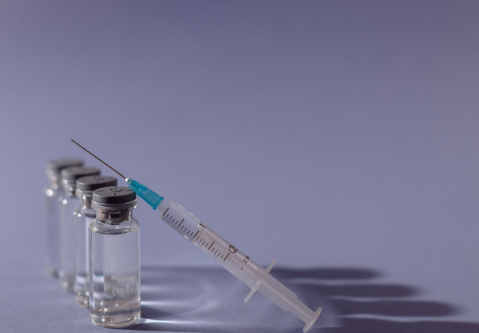

A nationwide recall of compounded tirzepatide injections in the United States has raised fresh concerns about the safety of weight-loss medicines. The recall, initiated by Apothecary Pharma LLC over concerns about sterility, highlights a risk that can easily be overlooked: a medicine may contain a useful drug, but problems with its preparation, handling or dosage can still put patients at risk. The alert does not cover all GLP-1 medicines, and patients should not confuse compounded injections with approved, commercially manufactured treatments.
Why were the GLP-1 injections recalled?
According to the supplied USA TODAY report, Apothecary Pharma initiated a voluntary recall on September 24, 2026, after it could not assure the sterility of certain compounded trispeptide injections. The US Food and Drug Administration (FDA) classified the recall as Class II on October 10.This classification means exposure could cause temporary or medically reversible health consequences. It does not mean every vial is contaminated, nor does it guarantee that every affected product is safe.The report identified 22 lot codes of 18 mg/mL tirzepatide injections in four-millilitre multidose vials. Patients should check the FDA’s official recalls, market withdrawals and safety alerts for authoritative information about affected products.
How can a problem with sterility affect health?
Sterility matters because injections bypass many of the body’s natural protective barriers. If harmful microorganisms enter a vial during preparation or handling, injecting the medicine could introduce them directly into the body.Possible consequences include local infections, abscesses and, in severe cases, infections that spread beyond the injection site. However, a sterility concern does not establish that contamination has occurred in every recalled vial.The dangers of contaminated injectable medicines are well documented. In 2012, contaminated steroid injections distributed by the New England Compounding Center were linked to a fungal meningitis outbreak in the US, which caused hundreds of illnesses and dozens of deaths. The US Centers for Disease Control and Prevention (CDC) documents this outbreak. It was a separate incident, not evidence of contamination in the current recall.
Incorrect doses can create another health risk
Sterility is only one concern. Compounded injections may come in different concentrations, and patients may need to measure doses from multidose vials using syringes. Confusing milligrams, millilitres and syringe markings can lead to dosing errors.Too much tirzepatide can worsen gastrointestinal side effects, including nausea, vomiting and diarrhoea. Severe symptoms may cause dehydration and, in some cases, kidney complications. The FDA has warned about dosing errors involving compounded injectable semaglutide; its safety information on compounded semaglutide explains the risks.Tirzepatide and semaglutide are different medicines, so safety findings about one should not automatically be treated as evidence about the other.
Are compounded injections the same as approved GLP-1 drugs?
No. Compounding pharmacies prepare customised medicines for specific medical needs. This can be useful when an appropriate commercial formulation is unavailable or unsuitable for a patient.However, compounded medicines are not individually approved by the FDA for safety, effectiveness and quality in the same way as FDA-approved medicines. A compounded version of tirzepatide is therefore not interchangeable with an approved branded product simply because it contains the same active ingredient.The distinction also matters in India. Approved medicines, including branded and generic formulations, are not the same as unverified compounded injections. Patients should obtain treatment through licensed pharmacies and qualified clinicians, and verify the product’s manufacturer and regulatory status.
What Indian patients should know about compounded GLP-1 injections
Dr Aparna Govil Bhasker, Bariatric and Metabolic Surgeon at MetaHeal Clinic, Mumbai, highlighted an important distinction for patients: approved medicines and compounded preparations should not be treated as interchangeable.Compounding can help meet specific medical needs, but the quality of an injectable medicine depends on more than its active ingredient. Its preparation, concentration, storage and correct administration all matter. A product that contains tirzepatide is not automatically equivalent to an approved formulation.For patients in India, the US recall is a reason to check the source of an injection rather than assume that every GLP-1 medicine is unsafe. Approved branded and generic medicines differ from unverified preparations sold through informal suppliers. Medicines should be obtained through licensed pharmacies and used under qualified medical supervision.
What should patients do if they have an affected vial?
Anyone who has a vial matching the recalled lot codes should contact the prescribing clinician or dispensing pharmacy before using another dose. They should follow specific recall instructions rather than relying on social media posts or informal messages about whether the recall is merely administrative.If an injection has already been used, patients should seek medical advice if they develop unusual redness, swelling, increasing pain, fever or other concerning symptoms. Severe vomiting, signs of dehydration or a serious allergic reaction require prompt medical attention.The central lesson is not that all GLP-1 medicines are unsafe. These treatments can play an important role in managing obesity and type 2 diabetes when prescribed appropriately. But the quality of the product, correct dosing and medical supervision matter just as much as the drug itself.Medical experts consultedThis article includes expert inputs shared with TOI Health by:Dr Aparna Govil Bhasker, Bariatric and Metabolic Surgeon, MetaHeal Clinic, Mumbai.Inputs were used to explain why GLP-1 injections were recalled, why it happens and how it affects patients.