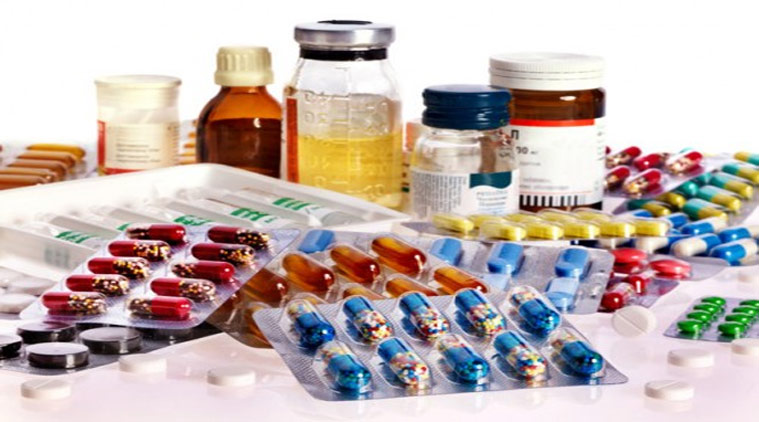
Antibiotic-resistant infections are spreading wings in India, killing over 58,000 children every year, while uncontrolled dumping of untreated urban waste into water bodies is affecting aquatic life and environment.
With some of the highest antibiotic resistant bacteria that commonly cause infections in the community and healthcare facilities, India suffers severely, reminds Centre for Disease Dynamics Economics and Policy (CDDEP), as World Antibiotic Awareness Week 2018 ends on Sunday.
“Every year globally, almost 700,000 lives are lost. More than 58,000 children die every year in India alone, from antibiotic-resistant infections,” said CDDEP.
The antibiotic resistance is the ability of disease-causing bacteria and micro-organisms to resist the antibiotics or medicine due to adaptation.
Earlier in 2017, a team of experts from India and Sweden had also flagged concerns over uncontrolled dumping of partly treated and untreated urban waste into rivers — leading to the spread of antibiotic resistance.
According to CDDEP research, the global use of antibiotics in humans has increased by 65 per cent in 2015 since 2000, while consumption in low- and middle-income countries increased by 114 per cent.
“India saw the highest increase in antibiotic use by 103 per cent. This has resulted in a modern-day crisis with a shortage of effective antibiotics and a weak pipeline for novel antibiotics,” Jyoti Joshi, Head South Asia, CDDEP, said.
The CDDEP research showed that resistance to the broad-spectrum antibiotics is detected in more than 70 per cent of organisms causing pneumonia and sepsis.
“As a leading producer of critical medicines which include antibiotics, India is known as the pharmacy of the world. But the flip side of this is that the toxic effluents from these manufacturing sites wreak an even greater havoc on the Indian rivers and environment,” said Joshi.