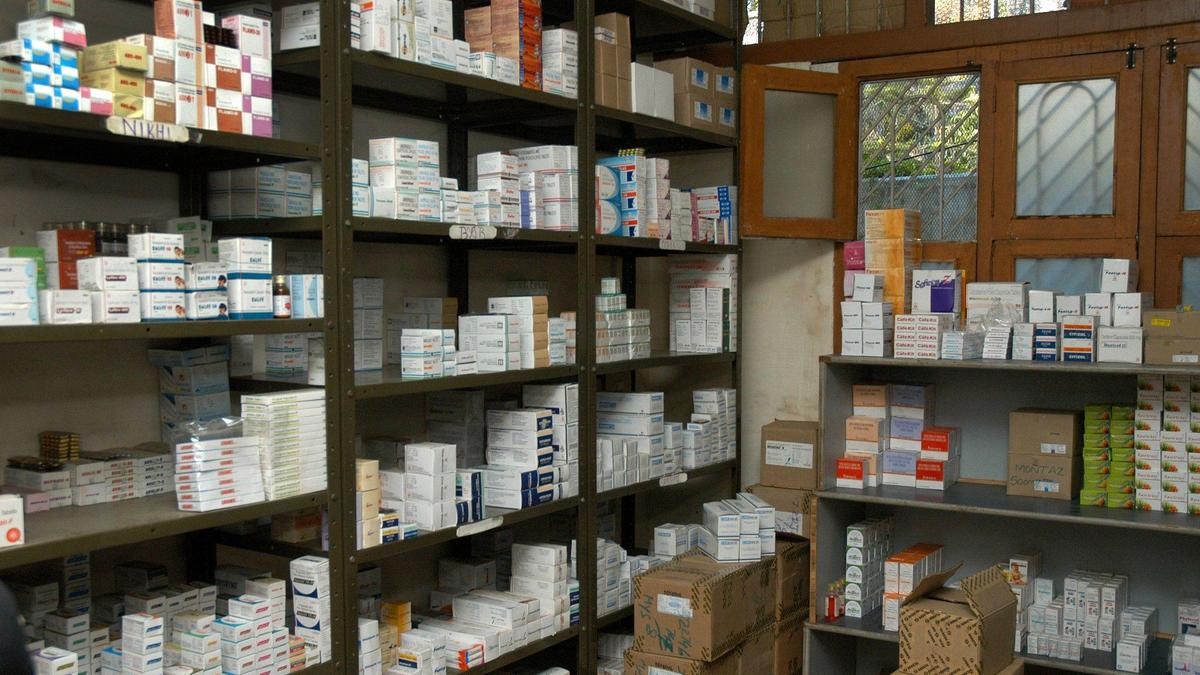
Centre bans 16 Fixed-Dose Combination drugs over safety concerns

The Centre has imposed an immediate ban on 16 Fixed Dose Combination (FDC) drugs. The Ministry of Health and Family Welfare issued the orders under Section 26A of the Drugs and Cosmetics Act, effectively halting the manufacture, sale and distribution of these medicines across India after a scientific review flagged them that the formulations lacked therapeutic justification and could pose risks to public health.

Supreme Court review

This sweeping move branch from a Supreme Court-mandated review of the Indian drug market. Following the court’s orders, the Drugs Technical Advisory Board (DTAB) formed an expert committee to completely remobve potentially harmful formulations. After reviewing the clinical data, the panel concluded that these 16 specific combinations offered no real therapeutic value to patients, leading to their immediate prohibition.

Wide range of formulations affected

The banned combinations belong to different therapeutic categories, including dermatological preparations, pain-relief medicines, antispasmodic drugs, anti-diabetic formulations and antibiotic-based products.

Among the combinations prohibited are formulations whuich contains amoxicillin and serratiopeptidase, cefuroxime and serratiopeptidase, cefadroxyl and probenecid, as well as certain medicines combining dicyclomine, paracetamol and other active ingredients. Several aloe vera-based skin-care formulas have also been included in the list.

Focus on rational use of medicines

The Health Ministry said the decision forms part of the government’s broader effort to promote the rational use of medicines and ensure that only scientifically validated drugs are available to patients.

According to the ministry, the continued use of these formulations was not considered beneficial when weighed against the potential risks involved. It added that similar action has been taken in previous years against irrational drug combinations following expert scientific assessment.


Related Posts

Centre bans fixed-dose combination for Common Cold in children below four

The ministry said the use of “Chlorpheniramine Maleate and Phenylephrine Hydrochloride” drug combination in children below four years could pose health risks, while their safer alternatives are available in the…

New research study proposes a unifying theory for Alzheimer’s disease and other neurodegenerative diseases

A new peer-reviewed paper by neuroscientist Dale E. Bredesen proposes a unifying framework that could fundamentally change how researchers understand Alzheimer’s disease and other neurodegenerative disorders. Published on August 11…

Leave a Reply

Your email address will not be published. Required fields are marked *

You Missed

Centre bans fixed-dose combination for Common Cold in children below four

Centre bans fixed-dose combination for Common Cold in children below four

New research study proposes a unifying theory for Alzheimer’s disease and other neurodegenerative diseases

New research study proposes a unifying theory for Alzheimer’s disease and other neurodegenerative diseases

Brain organoid maturation is driven by a lifelike developmental clock: Study

Brain organoid maturation is driven by a lifelike developmental clock: Study

Delhi Police Bust ₹9-Crore Interstate Cancer Drug Diversion Network: 17 Arrested; 588 Anti-Cancer Vials, ₹50 Lakh Cash Seized

Delhi Police Bust ₹9-Crore Interstate Cancer Drug Diversion Network: 17 Arrested; 588 Anti-Cancer Vials, ₹50 Lakh Cash Seized

‘Smart’ Cancer Drug RK-251 Developed by Indian Scientists Could Offer Targeted Alternative to Chemotherapy

‘Smart’ Cancer Drug RK-251 Developed by Indian Scientists Could Offer Targeted Alternative to Chemotherapy

Andelyn Biosciences partners with Queen’s University to develop and manufacture gene therapy AAV9-GM2 to treat GM2 gangliosidoses

Andelyn Biosciences partners with Queen’s University to develop and manufacture gene therapy AAV9-GM2 to treat GM2 gangliosidoses