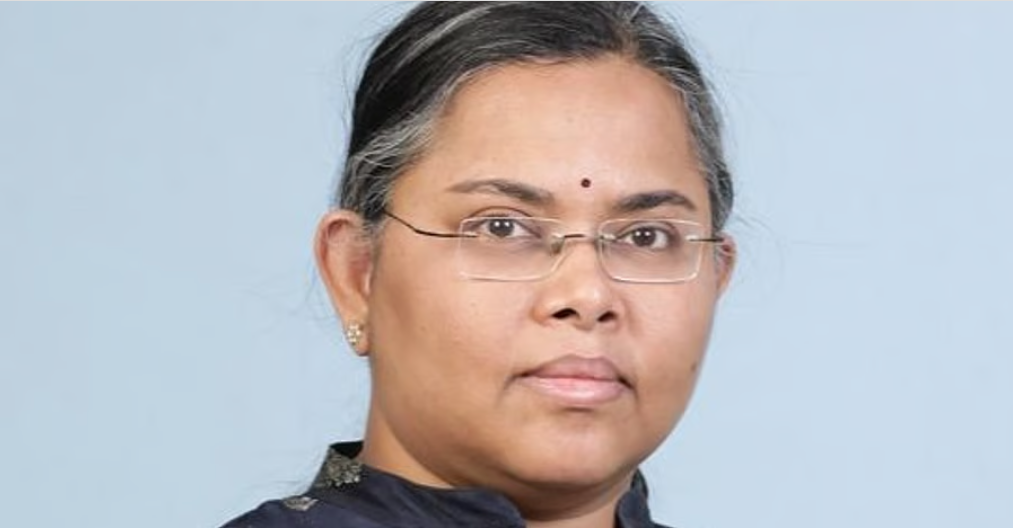
Dr Ann Agnes Mathew, a consultant paediatric neurologist and neuromuscular specialist based in Bengaluru, treats nearly 600 SMA patients from across India.
In an interview with DH’s Udbhavi Balakrishna, she highlighted the challenges in diagnosing SMA and shared her views on the expensive treatment of the disease.
How serious is the incidence of SMA?
SMA is the most common inherited cause of infant death. India bears one-sixth of its global burden. The incidence rate is about 1 in 6,000 to 1 in 10,000 births. We can estimate that around two lakh babies are affected in India at any given time.
Can it be prevented with some testing?
No. You are going into eugenics, then. There are a lot of ethical considerations. It is culturally acceptable in some communities and cultures to decide marriages based on some markers, such as astrology. We can say that two people should not reproduce if their genetics or jatakas do not match. That may be a way to prevent SMA. But how many diseases should be prevented this way? The question then is where one draws the line.
Why is the treatment for SMA prohibitively expensive?
This is a question better answered by those who develop these medications and the pharma companies, and needs to be addressed to them. Yes, it is a revolutionary therapy, and those who research and develop drugs need to be remunerated, but a lot of patients’ families feel as if they are being held hostage to high medication prices with no viable alternative. If all of us, including the government and all stakeholders, can sit down and discuss this, the large group of patients who need the medications will benefit.
What are the roadblocks to improving the accessibility and affordability of SMA medications in India?
We have a Rs 16 crore gene therapy that pharma companies sometimes gave free of cost or at a lesser price, until last year. Then we have Spinraza, which is produced by a company that is not interested in coming to India, and which is being made available to only a few in India through a humanitarian access programme. We also have Risdiplam, the cost of which has come down from Rs 2.5 crore to Rs 73 lakhs per year. Thanks to the generosity of the Tata Blue Tree programme, if you buy two bottles, you get three bottles free. So, for five bottles, you pay Rs 2.4 lakh per bottle. The same bottle in China costs Rs 48,000. Some families have reported that it costs Rs 25,000 in Pakistan and Rs 50,000 in Indonesia. Many of my patients are currently going to hospitals in China and buying it. Chinese authorities negotiated with the pharma company manufacturing Risdiplam and bought the medicines in large quantities, thus making it easily accessible for people. I hope it can be done in India, too
Can we address the problem by developing generic versions of the drugs?
Yes, that would be the way forward. We have the numbers to make these drugs accessible and still profitable or sustainable. If we can administer Covid-19 vaccines en masse in the world’s largest democracy, we can do this too. Karnataka’s Centre for Human Genetics has developed nutraceuticals for many rare diseases for one-fourth the price. Natco wants to manufacture Risdiplam at a highly subsidised price, but this is currently a matter for the courts to decide. With the right policy and expertise, affordable treatment is possible.