Bengaluru: Sumayya, a resident of Kudligi was admitted to the hospital on 11 November, and she underwent a caesarian section the same day. However, she developed complications and was shifted to the Ballary Medical College and Research Centre (BMCRC), where she was in the ICU. She was also undergoing dialysis.
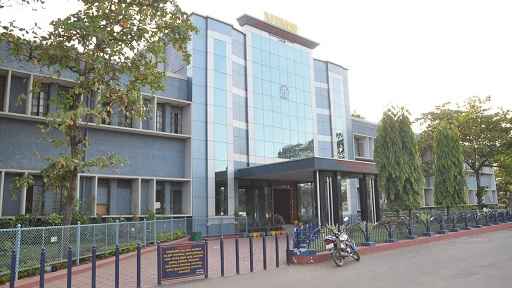
BMCRC Director T Gangadhara Gouda told the media that the patient had a multi-organ failure and died around 8 pm on Thursday despite efforts by doctors to save her.
Health Minister Dinesh Gundu Rao had earlier told the media that between November 9 and 11, the Ballari district hospital saw an unexpected rise in maternal deaths during caesarean operations. Out of 34 procedures conducted, seven patients suffered severe complications and four women died.
With Sumayya’s death, the number of new mothers who died at the Ballari district hospital has increased to five. According to the hospital authorities, two of them died after being discharged.
While the exact cause of death is still being investigated, the state health authorities suspect that the condition of these women deteriorated after administering them with the Ringer Lactate solution IV fluid, which is supplied to the government hospitals by a West Bengal-based company, Paschim Banga Pharmaceutical Ltd.
While the link to Ringer Lactate is unconfirmed, the use of the solution, sourced from Paschim Banga Pharmaceutical Ltd, has been suspended and is being tested.
The Karnataka government has also sought clarification from the Central Drugs Standard Control Organisation (CDSCO) following reports linking multiple deaths.
Health Department Principal Secretary Harsha Gupta has written to the Drugs Controller General of India, Rajeev Singh Raghuvanshi, on the issue.
Investigations revealed bacterial and fungal contaminants in the IV solutions administered to the women. Of the 192 batches supplied by Paschim Banga, 22 were deemed substandard by the state drug control department, prompting the suspension of their use.
However, these batches had previously cleared quality tests conducted by the Central Drug Laboratory, leading to a regulatory discrepancy.
The Health Department has emphasised that the Central Drug Lab’s approval is legally binding under tender regulations. Samples from the flagged batches have been sent for re-testing at the central lab in West Bengal. The state is expecting the results on 9 December.
Meanwhile, as a precautionary measure, the state has blacklisted the batches and issued directives to halt their use in all hospitals.