MSME Pharma companies under the lens over drug quality issues

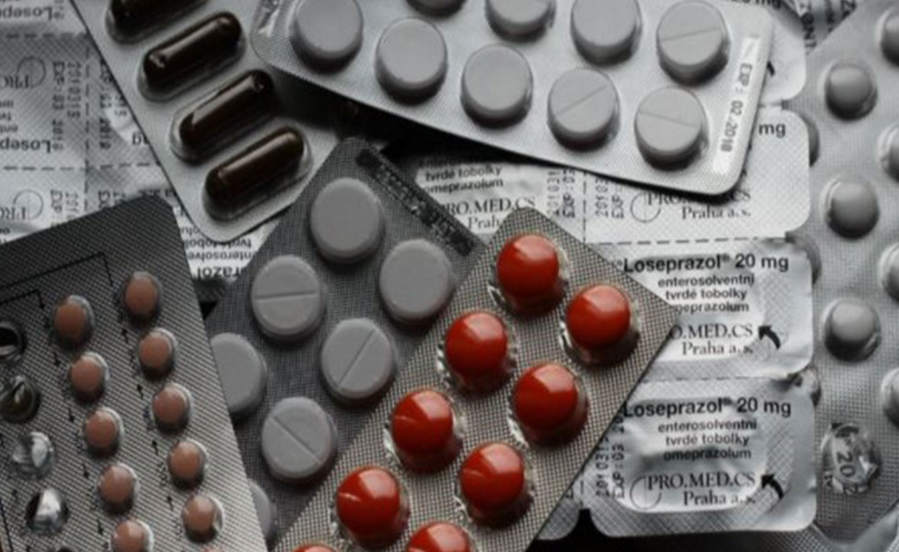
A large number of pharmaceutical companies in the micro, small and medium enterprise (MSME) sector have been identified by the government as producing substandard drugs.

More than 65% of MSME firms have been found to be manufacturing drugs that are not of standard quality (NSQ), during risk-based inspections of pharma companies conducted since December last year, said a person with knowledge of the matter.

Out of the total MSME units inspected, 30% were issued stop production orders (SPO), the person cited above told ET. “Samples of 68% MSME companies have failed. This is alarming,” the person said.

The Central Drugs Standard Control Organisation (CDSCO) along with state drug inspectors have been doing these inspections as part of a massive nationwide crackdown on spurious and substandard medicines. This followed controversy over alleged Made-in-India cough syrups being responsible for the deaths of children in Gambia.

Currently, Phase IV of the risk-based inspections is being conducted. During this process, the inspectors withdrew samples from 22 companies. Out of the total 446 samples drawn, 271 were analysed. “While 230 samples were found to be of standard quality and 41 were NSQ,” the person said.

“There has been a strong correlation between NSQ and the condition of manufacturing set up. Monthly NSQ data shows repeat failures for a company with the same product and same product with multiple companies month on month,” a second person said.
India’s drug regulator had earlier pointed to an urgent need to review the current GMP regulations and Quality Management Systems being followed by pharma companies during the RBI.
In August, Union health minister Mansukh Mandaviya had announced that companies with a turnover of ‘250 crore and more will have to implement the revised GMP within six months. Medium and small-scale enterprises with a turnover of less than ‘250 crore will have to implement it within a year. He also said that companies which fail to follow the timeline may be penalised.

The GMP system was first incorporated in 1988 in Schedule M of the Drugs and Cosmetics Rules, 1945, and was last amended in 2005. Schedule M sets out the requirements for drug plants.

However, in September, several industry associations representing the MSME sector wrote to the health ministry and the drug regulator citing that the move will impact competition and will have a drastic impact on the availability of medicines.


Related Posts

India’s Pharma Sector Must Expand AI Use Beyond R&D: Reports

The report emphasizes that absolute R&D spending remains modest and identifies expanding investment in advanced biologics and AI-driven drug discovery as the “largest opportunity” for bridging the innovation divide. Recent…

India’s Pharma, Healthcare Funding Hits $38.6 Mn in Nov’25

Early-stage activity drove the month, accounting for 73.6 per cent of total investments, while seed-stage rounds contributed the remaining 26.4 per cent. India’s pharma and healthcare funding for November 2025…

Leave a Reply

Your email address will not be published. Required fields are marked *

You Missed

India’s Pharma Sector Must Expand AI Use Beyond R&D: Reports

India’s Pharma Sector Must Expand AI Use Beyond R&D: Reports

India headed for Culture of ‘Divya Buildings’, thanks to AMTZ’s Landmark Initiative

India headed for Culture of ‘Divya Buildings’, thanks to AMTZ’s Landmark Initiative

India’s Pharma, Healthcare Funding Hits $38.6 Mn in Nov’25

India’s Pharma, Healthcare Funding Hits $38.6 Mn in Nov’25

Novo Nordisk gears up for December Ozempic launch

Novo Nordisk gears up for December Ozempic launch

Illegal intoxicant tablets seized in large quantity from Sirsa medical store, two held

Illegal intoxicant tablets seized in large quantity from Sirsa medical store, two held

Higher pharma, chemicals exports to Russia bloc on agenda to trim deficit

Higher pharma, chemicals exports to Russia bloc on agenda to trim deficit