NEW DELHI: A worsening maternal health crisis has triggered national panic across India’s public healthcare network following a sudden cluster of severe post-operative complications among C-section patients in Telangana. Coming on the heels of a deadly wave of maternal mortality and acute renal failures across Rajasthan, the emergence of a new cluster at a Mother and Child Hospital (MCH) in Kamareddy district’s Banswada has prompted central and state health authorities to launch sweeping, multi-state drug audits and surgical safety investigations.
The unfolding situation in South India closely mirrors the systematic infrastructure breakdowns and pharmaceutical vulnerabilities exposed in Rajasthan, pointing to a potentially systemic failure in institutional sterilization protocols, drug quality control, and regional supply chains across state-run healthcare systems.
1. The Telangana Cluster: Five Women Critical in Banswada
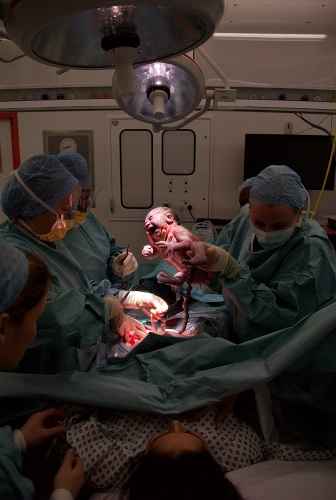
The alarm in Telangana was raised after five out of 10 women who underwent Caesarean sections at the 100-bed Banswada Mother and Child Hospital on July 10 and 11 developed severe, life-threatening post-surgical complications. Within 24 to 48 hours following surgery, the young mothers—all in their mid-20s—began experiencing sudden acute pain, severe breathing difficulties, sharp drops in white blood cell and platelet counts, and complete renal suppression (low urine output).
As the patients’ clinical parameters rapidly deteriorated, two were transferred to the Government General Hospital (GGH) in Nizamabad, while three critical patients—identified as Ruksana, Umera Fatima, and Jyothi—were rushed to the tertiary Nizam’s Institute of Medical Sciences (NIMS) in Hyderabad for specialized intensive care and emergency hemodialysis.
Attending specialists at NIMS noted that the patients presented with severe “infection-related complications” and structural organ distress. While two patients have shown gradual recovery, patient Ruksana remains in critical condition requiring ongoing dialysis sessions to filter systemic toxins.
2. Surgical Suspension and Drug Quality Under the Scanner
In response to the cluster, the Telangana State Health Department immediately halted all C-section procedures at the Banswada facility and ordered a comprehensive audit. A high-level inspection committee—comprising senior gynecologists and executive engineers from the Telangana Medical Services and Infrastructure Development Corporation (TGMSIDC)—inspected the facility’s operation theaters, labor wards, water supply tanks, and sterilization logs.
While initial microbiological culture tests of intravenous (IV) fluids and preliminary surface swabs from the operation theater showed no immediate bacterial growth, treating doctors at NIMS raised strong suspicions regarding the chemical purity and potency of the pharmaceuticals administered during surgery. Drug inspectors have seized and sent all batch samples of anesthetics, post-operative antibiotics, pain relievers, and IV fluids used on July 10 and 11 to state laboratories for rigorous chemical, potency, and endotoxin testing.
3. National Echoes: Drawing Parallel to Rajasthan’s Ongoing Crisis
The developments in Telangana directly mirror the healthcare emergency in Rajasthan, where at least 19 maternal deaths and dozens of critical ICU admissions have been recorded over recent weeks across public facilities in Jodhpur, Kota, Bhilwara, Banswara, and Nagaur.
The similarities between the two state crises highlight recurring structural risks across public maternal wards:
Substandard Pharmaceutical Pipelines: In both states, sudden renal shutdowns and septicemia following routine C-sections have pointed investigators toward low-quality, degraded, or counterfeit batch supplies of labor-inducing oxytocic drugs, anesthetics, and intravenous fluids.
Institutional Negligence and Overcrowding: Both regional clusters occurred in secondary government facilities where sudden surges in delivery volumes stretched sterilization equipment, post-operative monitoring, and nursing staff beyond safe capacity limits.
Delayed Triage and Emergency Referrals: In both Telangana and Rajasthan, rural patients experiencing post-operative shock faced critical delays before being referred to tertiary urban hospitals, worsening organ damage and increasing the need for emergency dialysis.
4. Union Health Ministry and NHRC Interventions
The national recurrence of C-section cluster complications has drawn serious scrutiny from statutory monitoring bodies. Following the National Human Rights Commission’s (NHRC) notice to Rajasthan over maternal deaths, public health advocates and medical associations are calling on the Union Ministry of Health and Family Welfare and the Central Drugs Standard Control Organisation (CDSCO) to issue a nationwide alert.
Health experts argue that isolated state-level inquiries are insufficient to catch widespread supply-chain contamination. They are demanding a centralized, nationwide quality audit of all batch-procured maternal care medicines, mandatory real-time digital tracking of operation theater sterilization certificates, and strict enforcement of standard clinical protocols across all public maternal and child health centers in the country.