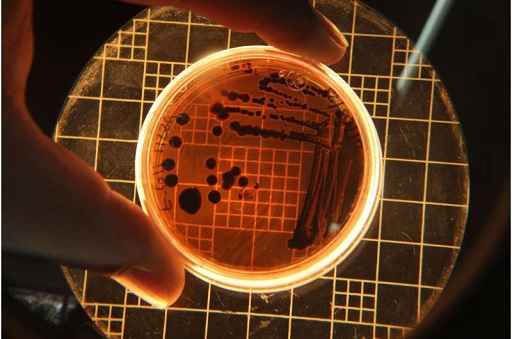
NAIROBI/GENEVA— In an alarming development that underscores the accelerating global crisis of antimicrobial resistance, researchers have confirmed the detection of a rare, pan-drug resistant strain of the high-priority fungal pathogen Candida auris (also classified within Candidozyma auris).
A peer-reviewed study published in Scientific Reports (Nature) details the recovery of this exceptionally dangerous superbug from a surgical wound in a 28-year-old patient in Kenya. The strain exhibited complete resistance to all four major classes of clinical antifungals currently available in modern medicine: azoles, echinocandins, polyenes, and flucytosine. This marks only the second globally documented case of pan-resistant C. auris on record, amplifying urgent warnings from infectious disease specialists worldwide.
Genetic Profile Reveals Multi-Target Mutations
Candida auris has long been recognized by the World Health Organization (WHO) as a critical-priority fungal pathogen due to its tenacity in healthcare environments (nosocomial transmission) and its intrinsic propensity for multidrug resistance. However, acquiring absolute resistance across all four principal therapeutic classes strips clinicians of virtually every standard pharmacological tool.
According to genomic analyses published in the study, the isolated strain belonged to Clade I and harbored a dangerous combination of specific genetic mutations:
ERG11 (Y132F) – conferring high-level resistance to azole medications.
CDR1 (E709D) – associated with efflux-pump-mediated drug expulsion.
FKS1 (S639F) – driving resistance against echinocandins, which are typically utilized as frontline treatments.
FUR1 (stop-gain mutation) – responsible for blocking the efficacy of flucytosine.
This accumulation of mutations points toward intense selective pressures, likely driven by environmental exposure or prior therapeutic interventions, allowing the pathogen to bypass every defense mechanism designed to inhibit fungal cell wall synthesis or nucleic acid replication.
Implications for Global Health and Hospital Safety
Health agencies have repeatedly sounded alarms over the silent spread of drug-resistant fungi, which thrive in hospital wards and long-term care facilities. Unlike bacteria, fungi are eukaryotic organisms, sharing cellular machinery remarkably similar to human cells. This biological overlap makes developing safe, selective antifungal treatments exceptionally difficult, leaving a razor-thin margin between drugs that kill the pathogen and those that inflict severe toxicity on the patient.
Experts emphasize that while this represents the second formal documentation of pan-resistance, many similar instances may be flying under the radar globally due to diagnostic inconsistencies, varying surveillance capabilities, and a general lack of routine antifungal susceptibility testing in resource-limited clinical settings.
Disclaimer from Sources
This journalistic report is synthesized from peer-reviewed scientific literature and public health reporting. The findings described in the Nature study are intended for academic, research, and informational dissemination regarding antimicrobial resistance trends. Clinical management of fungal infections should always adhere to institutional protocols, regional infectious disease boards, and guidance from health authorities such as the WHO or CDC. The descriptions of drug resistance classes do not constitute medical advice.
Source : Medical Xpress