Access to advanced treatment for heart diseases, in tandem with the growth of technology to support cardiac care, is growing in India and continued investment in infrastructure, clinician training and patient access are key to further improvement in this therapeutic segment, says senior official from healthcare and medical devices major Abbott.
“India is making significant strides in cardiovascular care, driven by growing awareness, increasing healthcare investments, and the adoption of advanced technologies. Hospitals across the country are increasingly embracing minimally invasive and catheter-based procedures, which can enable faster recovery, shorter hospital stays, and reduced procedural trauma,” says Sudheer Mirajkar, country manager, Structural Heart (India and Subcontinents), Abbott.
While these innovations were initially concentrated in leading cardiac centres, access is gradually expanding to hospitals in smaller cities, bringing advanced treatment options closer to more patients. This progress is being supported by continued investments in healthcare infrastructure, technological advancements, and growing clinical expertise.
“However, access remains uneven, with the most advanced therapies and specialized cardiac care still concentrated in major urban centres. Continued investment in infrastructure, clinician training, and patient access will be essential to ensure that more people across India can benefit from the latest innovations in heart care,” he added.
One of the most significant advances in heart care is the availability of minimally invasive procedures that can repair or replace damaged heart valves without traditional open-heart surgery for suitable patients. Transcatheter Aortic Valve Implantation (TAVI), one such innovation enables doctors to replace a narrowed aortic valve using a thin catheter rather than opening the chest.
Minimally invasive procedures can be especially beneficial for older adults and those with other health conditions, often resulting in shorter hospital stays and faster recovery. These advances are helping doctors personalize treatment and enabling more people with heart valve disease to return to their daily lives with improved confidence and quality of life.
Commenting on Abbott’s structural heart portfolio, he added that it helps physicians treat conditions affecting the heart’s valves and chambers that can disrupt normal blood flow. Its minimally invasive, catheter-based therapies include MitraClip for mitral regurgitation, TriClip for tricuspid regurgitation, and the Navitor TAVI system for severe aortic stenosis.
“India represents a significant opportunity for structural heart therapies, driven by a growing burden of cardiovascular disease, an ageing population, and increasing demand for treatments that enable faster recovery and shorter hospital stays. Rising awareness among physicians and patients is also accelerating the adoption of minimally invasive, catheter-based interventions across the country,” said Mirajkar.
On market expansion plans, he said that improving access to advanced heart care requires more than innovative technology. It also depends on building awareness, strengthening healthcare systems, and supporting physicians with the training needed to deliver the latest treatments.
The company is working with healthcare professionals across India to help expand access to minimally invasive treatments for structural heart therapies, giving eligible patients more treatment options beyond traditional open-heart surgery.
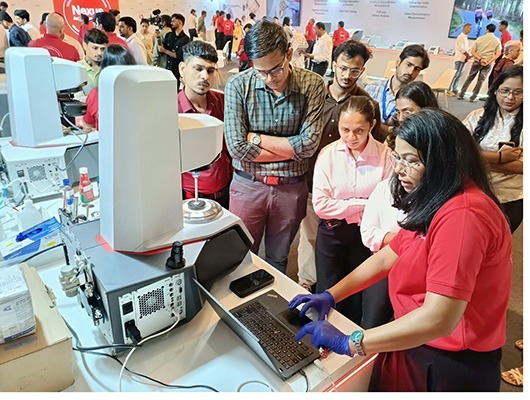
“An important part of this effort is supporting physician education and hands-on training, helping specialists gain expertise in advanced procedures and bring these therapies to more patients,” he added. The company is focusing on creating awareness of heart valve disease and access to newer treatment options.
“Looking ahead, we see an opportunity to improve awareness, promote earlier diagnosis, and help more patients benefit from timely, personalized treatment so they can live healthier, more active lives,” he averred.