Beijing: China has started cracking down on unlicensed production and sale of medicines similar to Novo Nordisk A/S ’s blockbuster diabetes and obesity treatment, in a bid to curb a gray market that caters to growing demand for such therapies amid a global supply crunch.
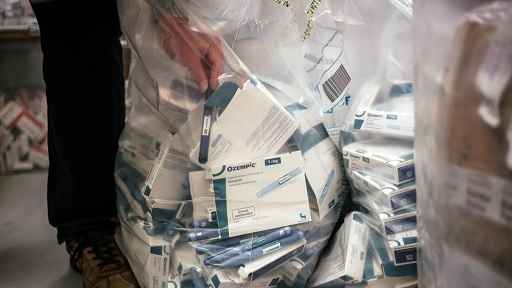
Local officials have identified three cases involving illegal online sales of semaglutide, the key ingredient in Novo’s Ozempic and Wegovy, according to a circular from the National Medical Products Administration dated Sept. 18.
Unapproved knockoffs of popular weight-loss medicines developed by Novo and Eli Lilly & Co. have been sprouting up around the world as these companies struggle to keep up with unprecedented demand, particularly in countries where compounding is allowed while a drug is in shortage. But both drugmakers and governments have warned that compounded versions of the branded drugs could carry safety risks as they are unregulated and could be contaminated, improperly-manufactured or even outright counterfeit.
Australia has banned the practice, while Novo is suing multiple pharmacies in the US for making such knockoffs. Elsewhere, Eli Lilly is trying to gain access to data of people using copycats of its weight-loss drugs to assess the safety risks.
The cases in China pertain to the sale of semaglutide between April 2023 and January 2024, with the sellers spread across Zhejiang, Guangdong and Anhui provinces accused of using drug procurement websites and WeChat groups to market the shots without permits.
Incidence of pirated drugs or illegal sales come as Novo Nordisk has said it will limit initial sales of Wegovy in China, which approved the drug in June, to avoid disruption in supply to other markets. Novo’s Ozempic secured approval in China back in 2021 for type 2 diabetes, but many Chinese consumers looking to shed weight have been buying the product online and through the gray market as it contains the same ingredient, albeit at a lower dose, to help slim down.
Novo said the company actively monitors the production and sale of potential counterfeits and other illegal drugs, and actively supports local authorities in taking effective law enforcement actions. It also said it has not reached any agreement for Ozempic to be sold on online platforms.
In the circular, the NMPA also appealed to consumers to refrain from purchasing diabetes and weight-loss treatments without a prescription through unofficial channels.