Mission to democratize Access to Best in Class ‘Made in India’ SSI Mantra gets shot in the arm
 Gurugram / New Delhi: It is straight from horse’s mouth. Reduction in GST on medical devices instantly has become mantra for much less cost of surgery by surgical robot, the best tool for the procedure. SSIMantra, the best in class ‘Made in India’ surgical robot, becomes all the more accessible and affordable, thanks to tax reform.
The sole reason of SSIMantra coming into being was to make surgeries by best tool i.e. robot accessible and affordable for all and sundry. The mission to democratize access to advanced surgical care was what nudged Dr Sudhir Srivastava, one of the few top notch cardiac robotic surgeons in USA, onto ‘Make in India’ bandwagon. Before SSIMantra’s incarnation, robotic surgery was a luxury for a few. GST reduction has indeed proved ice on the cake for this mission.
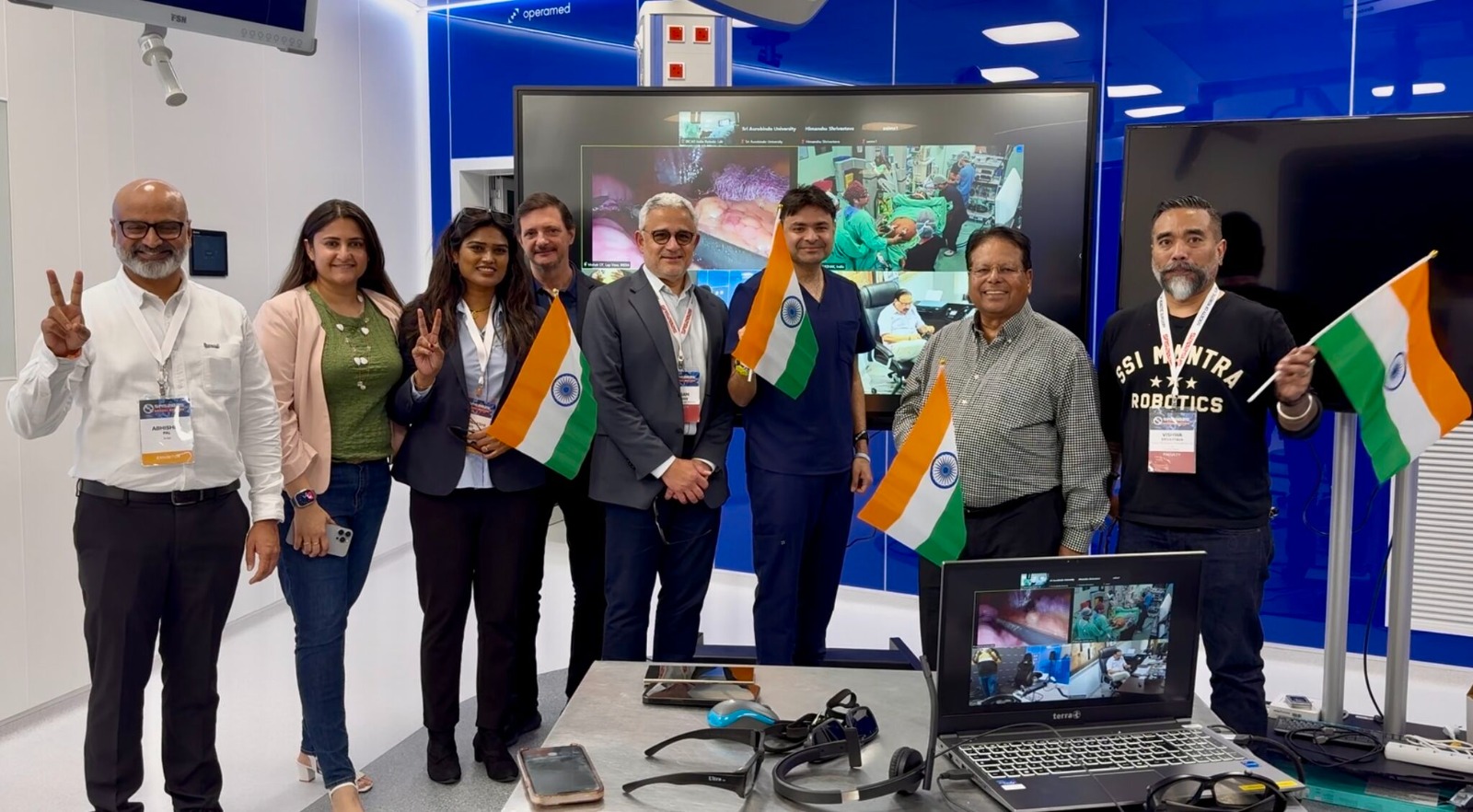
Dr. Vishwa Pascual Srivastava, MD and Chief Executive Officer – APAC of SS Innovations International has abundantly lauded reduction of GST on medical devices. Commenting on this fillip to its mission, Dr Vishwa said, ‘The reduction of GST on medical devices from 12% to 5% is a significant reform that will improve access to advanced healthcare in India. Hospitals and surgeons will benefit from a 7% direct saving on capital expenditure, helping to overcome key barriers to adopting technologies such as surgical robotics. This marks a pivotal moment for the Indian healthcare ecosystem, and this directly supports SSII’s mission to democratize access to advanced surgical care through tele-enabled, high-precision robotic platform, particularly in government and underserved healthcare settings.
Dr Vishwa added saying, ‘SSII Mantra, a Made-in-India surgical robotic system is the realization of SSII’s vision- to make world-class surgical care accessible, scalable, and affordable. The reform marks a significant step forward in India’s healthcare landscape, with SSI leading the charge in revolutionizing surgical care through both cutting-edge technology coupled with a humanitarian vision. With tele-surgeries now being performed across thousands of kilometres, new possibilities for accessible, high-quality healthcare across India and globally has opened up. Moreover, it will also allow millions of patients to benefit from minimally invasive procedures at a lower cost, aligning perfectly with India’s larger goal of universal, quality healthcare. The future of surgery is borderless, and this reform is a transformative step in bridging geographic barriers, enabling expert surgical interventions to reach remote and resource-limited regions.’