In a landmark move, the sealing of Free Trade Agreement (FTA) between India and the European Union (EU) is expected to bring relief to India’s healthcare landscape, eliminating 11 per cent tariffs on pharmaceuticals.
The announcement has come at a time when the new cancer cases in India are expected to rise to 22.1 lakh by 2040 from 14.6 lakh in 2022, as per the Indian Council of Medical Research (ICMR) report, adding that one in nine people in India will develop cancer during their lifetime.
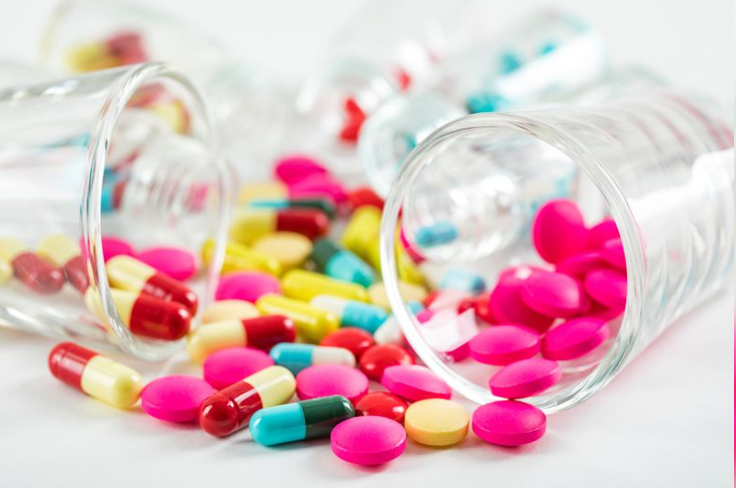
Now, with FTA in place, the tariff cut on pharmaceutical will enable Indian pharmaceutical companies to boost their exports to the 27-nation EU bloc. It will reduce the landing cost, or the price after freight and duty for imported drugs, particularly high-end cancer treatments, biologics, and weight-loss medications made in Europe. In principle, this reduces the cost of sourcing these products for hospitals, distributors, and health systems.
The agreement also covers surgical, medical, and optical instruments, where tariffs of up to 27.5 per cent are expected to be eliminated for about 90 per cent of products, thus offering a solid framework that enables Indian companies to plan long-term investments and more effectively integrate into European pharmaceutical value chains.
Additionally, the agreement will provide a boost to Indian traditional medicine services and practitioners. In the EU member states where regulations do not exist, AYUSH practitioners will be able to provide their services using the professional qualifications they gain in India.
Furthermore, FTA will provide future certainty and locks in the openness of the EU for establishment of AYUSH wellness centres and clinics in the EU member states. FTA also envisages greater exchange with the EU to facilitate trade in Indian traditional medicine services.
Meanwhile, according to industry estimates, the pharmaceutical exports to EU could double in three years due to the scrapping of tariff. The agreement will help Indian generic and specialty chemical manufacturers to overcome the loss of tariff concessions (GSP) that occurred in 2023, and will enhance their competitiveness in the European market.