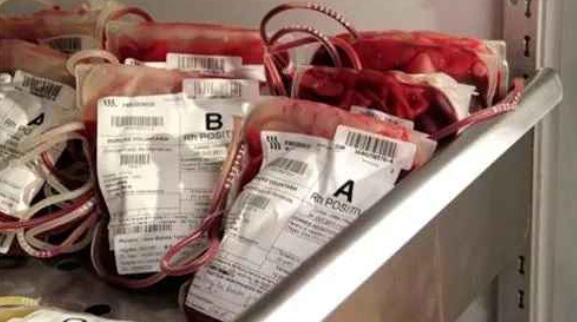
New Delhi – A spate of incidents involving unsafe blood transfusions has exposed critical vulnerabilities in India’s blood banking system, from inadequate testing infrastructure to illegal profiteering. Recent cases across states like Jharkhand, Uttarakhand, Madhya Pradesh, and Haryana underscore the urgent need for nationwide reforms, including mandatory advanced testing and stricter oversight. Health experts warn that outdated methods and equipment shortages are putting vulnerable patients, particularly children with thalassemia, at risk of life-threatening infections such as HIV.
These revelations come amid persistent irregularities in blood centers, despite regulations under the Drugs and Cosmetics Act, 1940, enforced by bodies like the National AIDS Control Organisation (NACO) and the National Blood Transfusion Council (NBTC). While some states are stepping up with new policies, delays in implementation and resource gaps continue to endanger lives.
Tragic Incidents Highlight Testing Failures
In Faridabad, Haryana, two children suffering from thalassemia contracted HIV after receiving unsafe blood transfusions. The case, reported by the Foundation Against Thalassemia’s secretary Ravindra Dudeja, prompted an immediate probe ordered by the Prime Minister’s Office (PMO).
Investigations by the Central Drugs Standard Control Organization (CDSCO) and Haryana’s Drug Control Department are focusing on lapses during the “window period” – the initial six weeks post-HIV infection when the virus may evade detection by standard Enzyme-Linked Immunosorbent Assay (ELISA) tests. Experts like Dr. Jaswant Singh, an MD in Biochemistry, emphasize that ELISA detects only antibodies, which form after six weeks, whereas Nucleic Acid Testing (NAT) identifies the virus immediately, drastically reducing risks.
This mirrors a similar horror in Satna, Madhya Pradesh, where four thalassemia-affected children at the district hospital received HIV-infected blood in December 2025 due to shortages of ELISA kits, forcing reliance on less reliable rapid tests. The incident, which shocked the nation, has affected over 230 thalassemia patients in districts like Faridabad and Palwal alone, many of whom require regular transfusions. Chief Medical Officer Dr. Jayant Ahuja claimed the local system was “fine” and suggested the contaminated blood might have originated elsewhere, but the probe continues.
Echoing these concerns, a past incident in Chaibasa, Jharkhand, where contaminated blood led to child fatalities, prompted statewide mandates for NAT alongside ELISA. However, enforcement remains patchy, exacerbating the crisis.
Infrastructure Gaps and Delays in Testing
In Deoghar, Jharkhand, the government blood bank mandates NAT for all donations to prevent infections, but the district lacks a single testing machine. Samples are shipped over 200 km to Ranchi, causing 2-3 day delays that leave emergency patients in limbo. Civil Surgeon Dr. Baccha Singh insists on compliance with state orders, refusing to release blood without NAT clearance, but patients often resort to private banks using only ELISA, heightening risks of unsafe transfusions. One local described the waits as “not just procedure but insensitivity,” especially for rare blood groups.
NAT, which screens for HIV, Hepatitis B, Hepatitis C, Malaria, and VDRL with a reduced HIV window period of just 15 days, is seen as a game-changer. Yet, its high cost and limited availability – confined to select districts – hinder widespread adoption.
Illegal Profiteering Compounds the Risks
Adding to the woes, illegal agents are exploiting desperate families. In Rishikesh, Uttarakhand, at the All India Institute of Medical Sciences (AIIMS), an agent near Gate Number 3 charged a family from Bareilly 3,000 rupees for one unit of blood, arranging donors deceptively. When a second unit was needed, the agent demanded more, citing costs for donor incentives like ghee and juice. Hospital staff intervened upon suspicion, leading to police involvement. Kotwali Prabhari KC Bhatt confirmed ongoing interrogations, with the agent still absconding. The donor, unaware his blood was being sold, highlighted the ethical breaches in such underground networks. Such practices not only delay safe access but also raise fears of unvetted blood entering the system, potentially carrying undetected infections.
Government Responses and Path Forward
In response to the Satna scandal, Madhya Pradesh has mandated NAT testing for all blood issued in government hospitals and medical colleges. Machines are operational in Indore and Bhopal, with plans to expand to divisional headquarters via private partnerships, where the government pays per test. This ensures screened blood across groups, addressing emergency shortages.
Nationally, calls are growing for universal NAT adoption, transparent monitoring, and legal action against errant blood banks. The PMO’s intervention in Faridabad signals high-level scrutiny, but experts like Dr. Singh stress that without upgrading from ELISA to NAT – despite the latter’s expense – incidents will persist.
As India grapples with these systemic failures, patient advocates urge immediate investments in infrastructure and crackdowns on illegal agents to safeguard the nation’s blood supply. Health officials recommend donors verify facilities and patients report suspicious charges, but until comprehensive reforms are in place, the shadow of unsafe transfusions looms large.
Source : DrugsControl Media Services