Association of Indian Medical Device Industry (AiMeD) sends SOS to Union Minister Piyush Goel
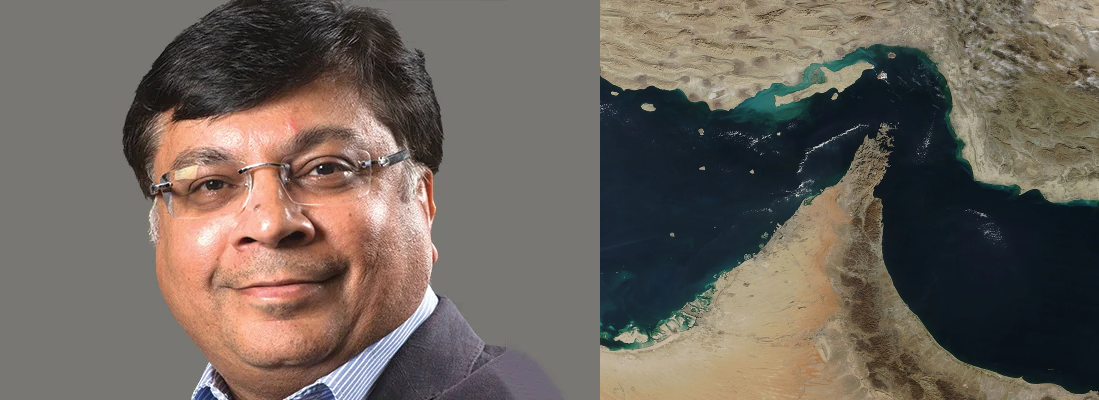
 New Delhi: The war tremors have started shaking the domestic medical device industry perched on the Make in India bandwagon of Prime Minister Narendra Modi. The industry has sent SOS to the central government for rescue via fiscal relief. Rajiv Nath, Forum Coordinator of Association of Indian Medical Device Industry (AiMeD), in his letters to Piyush Goel , Minister for Commerce & Industry and Arvind Srivastava, Revenue Secretary, Ministry of Finance, has given a lowdown on impacts the war has delivered and sought help to mitigate them. The impact is because of blockade of Strait of Hormuz.
AiMeD has sought urgent support. In letters, Rajiv Nath has sought their attention to growing pressures on India’s medical devices manufacturing ecosystem arising from the ongoing blockade at the Strait of Hormuz and the escalating geopolitical tensions in the Middle East. Mr Nath says, ‘These developments are beginning to materially affect the cost structures, supply chain stability, and operational continuity of domestic manufacturers-particularly those producing essential, high-volume items such as syringes, catheters, nitrile examination gloves and disposable medical devices.
There is escalating Input Costs and Supply Chain Disruptions.The industry is witnessing unprecedented increases in key input costs:
-Nearly 50% rise in prices of critical plastics used in medical disposables
Over 20% increase in packaging materials and diesel-based self-generated power
There Limited availability & near doubling of Adani PNG gas prices, which many manufacturers rely on for power generation and process heating.
While earlier shipment delays of 1-3 weeks were manageable through buffer stocks, the prolonged nature of current disruptions risks production slowdowns, potential shortages at hospitals, and vulnerability to opportunistic pricing by dominant raw material suppliers.
India continues to depend on imports for specialized, medical grade polymers that meet stringent regulatory and performance requirements. Any sustained disruption in these supply lines directly threatens manufacturing continuity and export commitments to the US, EU, and other key markets.
Though no shortages as yet but pressures are mounting,
At present, there is no shortage of syringes or other medical disposables, and there is no cause for public concern. Except for LPG-which affects a limited number of glove manufacturers-supplies remain intact.
However, manufacturers are experiencing:
-Noticeable price escalations
-Longer lead times
-Elevated freight and logistics costs
To sustain operations, many manufacturers are needing to revise product prices by 10-20%. Although there is currently no acute shortage of key polymer grades such as HDPE and LDPE, the evolving global situation warrants close monitoring to safeguard production timelines and industry stability.
Industry Requests and Need for Immediate Government Intervention
Members have sought AiMeD’s support in advising government procuring agencies to permit rescinding of tender contracts under force majeure, given the extraordinary circumstances.
To protect over 5 lakh jobs, ensure affordable healthcare access, and uphold the vision of Atmanirbhar Bharat, we request the Ministry’s urgent intervention on the following:
Rationalization of CONCOR Inland Haulage Charges
We request that CONCOR be advised to maintain charges at cost-covering levels and avoid opportunistic increases during this period of global disruption.
- Fast-Track GST Refunds as Assured The Government had assured that excess GST paid would be refunded within 7 days. However, in most cases, refunds from the GST rate reduction last year are still pending. This delay is causing acute working capital distress, especially given the inverted duty structure, where manufacturers pay 18% GST on inputs but charge only 5% GST on finished devices-leading to large accumulations of unutilized input tax credit.
- Avoid Reduction of Import Duties on Finished Medical Devices
Any reduction in import duties at this stage would severely disadvantage domestic manufacturers already under stress.
- Ensure that the supply cap budgeted by Adani Gas is available on a weekly basis instead of daily, as plants need to operate continuously rather than running for just one or two shifts each day.
Instead, if the Government wishes to provide relief, we propose a temporary 3-month rebate of:
2.5% on raw material imports, and
5% on component imports for medical devices under Chapter 90 (with flexibility to include additional HS codes where feasible).
This calibrated support will help stabilize domestic production, maintain export competitiveness, and prevent market distortions. Hon’ble Minister, the medical devices sector has consistently supported national healthcare priorities, including during the pandemic, and continues to expand domestic capacity under the Make in India PMP and PLI frameworks. Timely intervention now will ensure that India’s progress toward self-reliance is not undermined by external geopolitical shocks.
We remain available for any further technical inputs or consultations your office may require.