 Multispecialty Hospital averted a Certain Death, underlining High Benchmark of its Critical Care
Delhi/NCR: By the look of it, it seemed a certain death. A teenager (15) who fell from 18 th floor in Vasundhara came in a hypotensive shock with severe spinal cord injury, profuse blood loss, multiple fractures, chest, lung and liver trauma. Add to it, extensive degloving injuries. It was a classic case of hoping against hope. But doctors at Yashoda Medicity pulled him from the jaws of certain looking death. This rare success story speaks volumes about the high benchmark of hospital’s Critical Care unit. He had to undergo multiple surgeries and revisions.
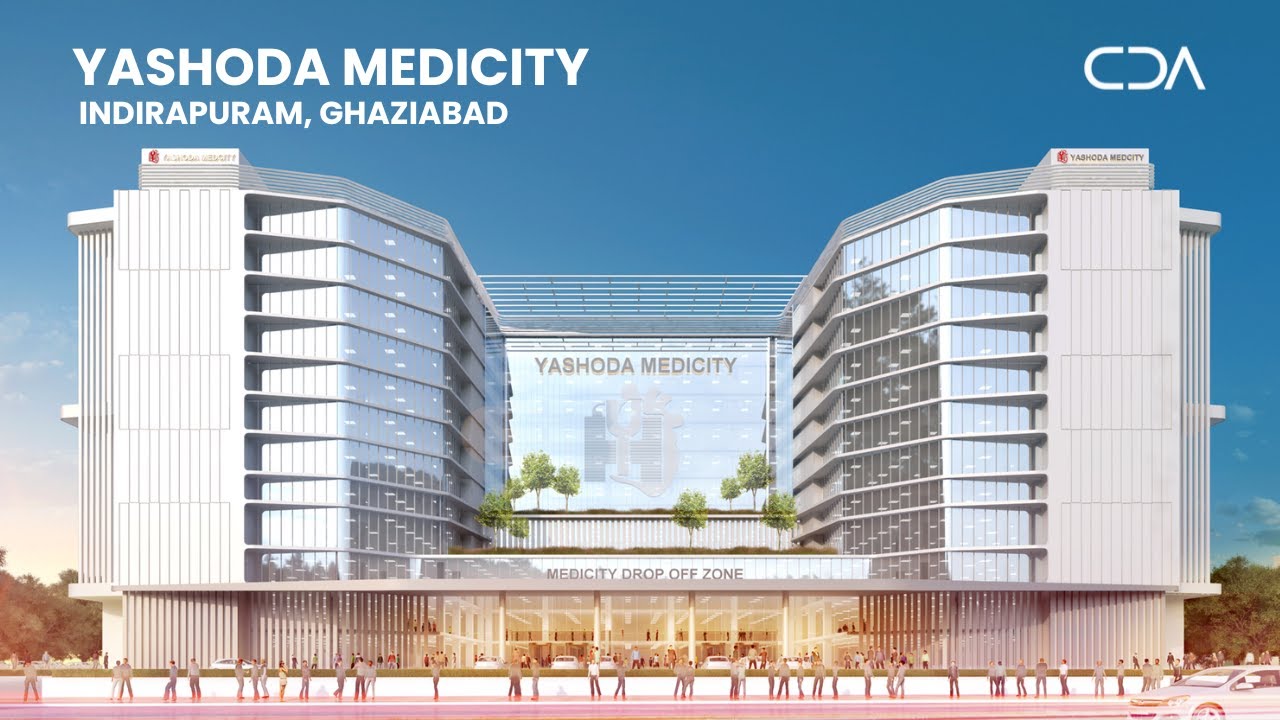
The boy from Vasundhara (GZB) has now recovered after nearly two months of treatment at Yashoda Medicity, Indirapuram. He was brought to the hospital in hypotensive shock with severe blood loss and extensive injuries to the spine and spinal cord, chest and lungs, liver, limbs and soft tissue.
He required immediate intubation, ventilatory support, multiple blood and fluid transfusions and inotropic drugs to stabilise his condition. Doctors at Yashoda Medicity found a fractured and dislocated spine with cord injury, haemothorax and multiple rib fractures, liver injury, fractures of the right arm and left leg, a large scalp laceration, nasal fracture and extensive degloving injuries involving the gluteal region and right thigh. The complexity of the trauma required coordinated management across multiple specialties at Yashoda Medicity, with teams from Neurosurgery, Orthopaedics, Plastic, Aesthetic and Reconstructive
Surgery, Critical Care, Respiratory Medicine, Cardiology and other supporting departments involved in assessment, stabilisation, surgical intervention and ongoing monitoring throughout the patient’s treatment.
With his condition too critical to undergo multiple procedures at once, the treating teams had to determine which injury required immediate intervention. Following a high-risk consent and detailed discussion with the family, Dr. Rajinder Kumar, Principal Director & Unit Head, Neurosurgery along with the multidisciplinary trauma and surgical teams, performed spinal fixation as the first major procedure. The remaining injuries were subsequently treated through staged interventions as the teenager stabilised.
“This was an extremely high risk trauma with multiple life threatening injuries and severe blood loss. The biggest challenge was deciding what needed to be addressed first while the patient was in profound shock. Given the spinal fracture, dislocation and cord injury, spinal fixation was the most urgent intervention to protect the spinal cord, despite his unstable condition. Once the spine was stabilised, we could take up the other injuries in a staged manner, allowing the patient to tolerate each procedure safely. The complexity of the case required close monitoring and constant coordination between multiple specialties throughout his treatment,” said Dr. Rajinder Kumar.
The subsequent treatment included orthopaedic fixation of multiple fractures, repair of the scalp laceration and management of the nasal fracture. The Orthopaedics team including Dr. Brajesh Koushle Director & Unit Head – Orthopaedics, Joint Replacement & Sports Medicine, was involved in managing the multiple fractures and carried out at least four further revision procedures. The extensive degloving injuries required repeated wound dressings and further surgical interventions. The spinal wound was later re-explored and revised. Throughout this prolonged course, the Paediatric ICU team, including Dr. Karan Ahluwalia, Senior Consultant, Paediatric Intensive Care Yashoda Medicity and Dr. Anuj Dhyani, Consultant, Pediatric Intensivist Yashoda Medicity, supported the teenager through the critical care phase and helped manage the complications that arose during his recovery.
“The extent of the soft tissue injuries made this a particularly challenging aspect of the patient’s recovery. Along with the nasal fracture, the large degloving wounds required repeated dressings, close monitoring and revision procedures as the wounds evolved. Managing these injuries while the patient was undergoing treatment for multiple other life-threatening conditions required careful coordination with the other specialties,” said Dr. Shobhit Sharma, Principal Consultant, Plastic, Aesthetic and Reconstructive Surgery, Yashoda Medicity.
His recovery was further complicated by a severe chest infection and a drug-resistant infection, requiring continued critical care and infection management. After nearly two months of hospitalisation, the teenager has been discharged and will continue with further follow-up and rehabilitation.
The teenager’s recovery reflects the importance of rapid stabilisation, specialist intervention and coordinated care in managing critically injured patients. At Yashoda Medicity, the treatment was carefully sequenced according to his changing clinical condition, with the multidisciplinary teams intervening at each stage to address the injuries requiring immediate attention, stabilise his condition and support his recovery.