Dehradun– In a significant crackdown on counterfeit pharmaceuticals, a joint team from the Central Ministry of Ayush and state authorities raided an unlicensed Ayurvedic drug manufacturing unit in Dehradun, uncovering a sprawling operation involved in producing and distributing spurious medicines across India. The facility, operating under the name Triphala Herbal Center on Sahastradhara Road, was found to be repackaging and selling fake Ayurvedic and homeopathic drugs without proper qualifications or licenses, posing severe risks to public health. The raid, conducted on Friday following a tip-off, led to the seizure of over Rs 1 crore in cash, along with a cache of adulterated products, machinery, and incriminating documents, highlighting the growing menace of unregulated herbal medicine syndicates in Uttarakhand.
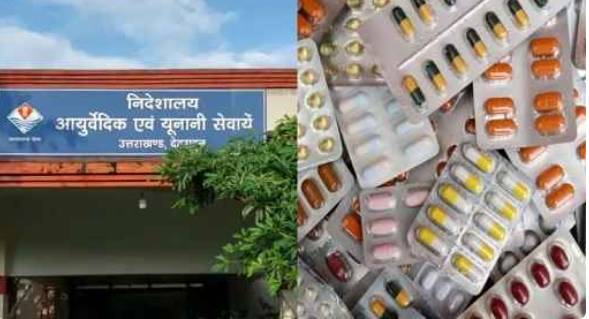
The operation was spearheaded by Drug Controller KS Napalchyal of the State Ayurvedic Department, in collaboration with the Central Drugs Standard Control Organization (CDSCO)’s Ayush vertical team and the Ayurved and Unani Service Department. Acting on a complaint, the team descended on the premises, which doubled as a clinic where the operator—posing as a qualified doctor—dispensed treatments for chronic conditions like diabetes and hypertension using unverified acupressure pads and spurious formulations. Investigations revealed that the individual lacked any formal qualifications in Ayurveda, Unani, or Homeopathy, yet had been running the illicit enterprise for over five years, supplying counterfeit drugs nationwide through a network of distributors.
During the hours-long search, authorities confiscated large quantities of fake Ayurvedic medicines, repacked drugs bearing misleading labels, counterfeit homeopathic remedies, production machines, registers, bills, and even a note-counting machine used to handle the substantial cash flows. Samples of the seized drugs were collected for laboratory testing to determine the extent of adulteration and potential health hazards. The cash haul, exceeding Rs 1 crore, prompted immediate notification to the Income Tax Department for a parallel probe into possible tax evasion and money laundering links. “This raid has exposed a sophisticated racket preying on vulnerable patients seeking natural remedies,” stated a senior Ayush official, emphasizing the need for vigilant enforcement to curb such frauds that undermine the credibility of traditional Indian medicine systems.
No arrests were made during the raid, but sources indicate that a case will soon be registered against the operator under relevant sections of the Drugs and Cosmetics Act, 1940, and other applicable laws for unlicensed manufacturing, distribution of substandard drugs, and fraudulent medical practice. The State Medicine Licensing Authority has been directed to oversee the legal proceedings, ensuring swift action. Additionally, information about the seized products will be shared with regulatory bodies in other states to halt their sale and dismantle any interconnected syndicates, preventing further circulation of these hazardous items in the market.
This bust comes amid rising concerns over the proliferation of fake Ayurvedic products in India, often marketed as “natural” alternatives but containing harmful adulterants or lacking active ingredients. Health experts warn that such spurious drugs can lead to adverse reactions, treatment failures, and even life-threatening complications, particularly for patients with serious ailments. The Ministry of Ayush has intensified inspections in recent months, following similar incidents in other regions, but advocates call for stricter licensing norms, mandatory quality certifications, and public awareness campaigns to protect consumers.
Local residents expressed shock at the revelations, with many recalling visits to the center for affordable treatments. “We trusted it because it claimed to be Ayurvedic, but now we’re worried about what we’ve consumed,” said one former patient. As the investigation unfolds, authorities have urged the public to verify the credentials of herbal clinics and report suspicious activities to the nearest drug control office or via the Ayush helpline.
The full impact of this operation on the fake drug trade remains to be seen, but it serves as a stark reminder of the vulnerabilities in India’s booming herbal medicine sector, valued at billions and growing rapidly post-pandemic. Officials assure that more such targeted actions are in the pipeline to safeguard public health and preserve the integrity of ancient healing traditions.
Source : DrugsControl Media Services with inputs from Patrika