Breast cancer drug linked to brain malfunction

Toronto: A breast cancer drug reveals side-effects, including mood disturbances and memory issues, that impact the brain function in both humans and animals, say researchers.

The drug letrozole is used to prevent breast cancer recurrence by interfering with the production of estrogens.

For the study, researchers from the University of Toronto in Canada showed that they administered letrozole to male and female marmosets — a nonhuman primate model — for four weeks and observed many behavioural changes including hot flashes and increased anxiety, experienced by women receiving similar treatment.

In addition, letrozole also compromised the function of neurons in the hippocampus (organ located in the brain) and impaired spatial memory, results revealed, published in the Journal of Neuroscience.

Findings emphasise the need for further investigation of breast cancer treatments and their effects on the brain, the team noted.

Breast cancer is the top cancer in women worldwide and is increasing particularly in developing countries where a majority of cases are diagnosed in late stages.

  • Related Posts

    WHO launches new primary health care course to strengthen health systems globally

    Health is a human right – yet not everyone can access the health services they need, when and where they need them, without financial hardship. Primary health care (PHC) provides…

    Ayurveda needs stronger evidence, safety monitoring for market adoption, says CCRAS

    Bengaluru: The Central Council for Research in Ayurvedic Sciences (CCRAS) has called for stronger scientific evidence, safety monitoring and translation of research into market-ready technologies to improve the credibility and…

    Leave a Reply

    Your email address will not be published. Required fields are marked *

    You Missed

    WHO launches new primary health care course to strengthen health systems globally

    WHO launches new primary health care course to strengthen health systems globally

    Ayurveda needs stronger evidence, safety monitoring for market adoption, says CCRAS

    Ayurveda needs stronger evidence, safety monitoring for market adoption, says CCRAS

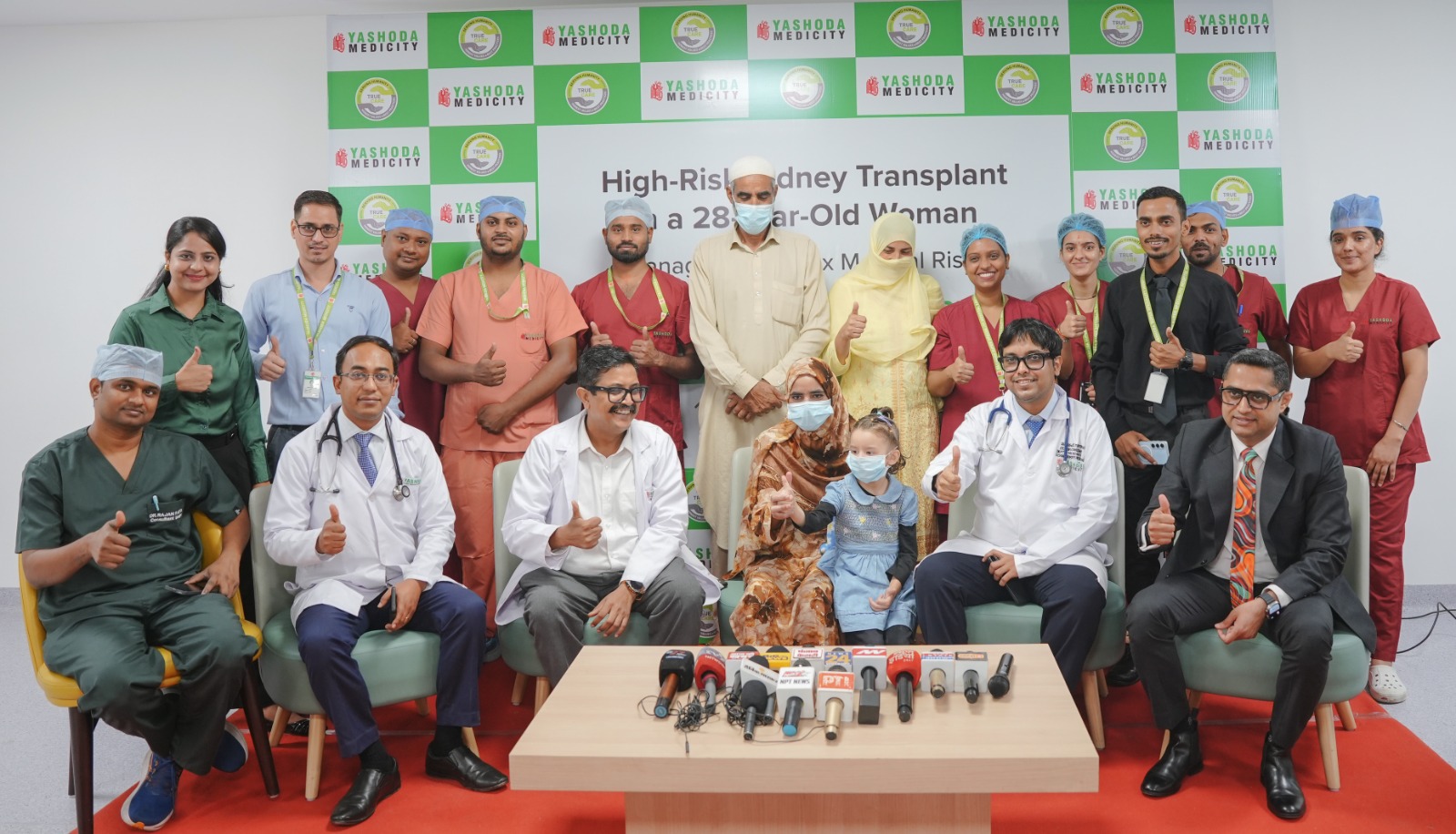
    Yashoda Medicity Successfully Performs High-Risk Kidney Transplant in 28-Year- Old Woman

    Yashoda Medicity Successfully Performs High-Risk Kidney Transplant in 28-Year- Old Woman

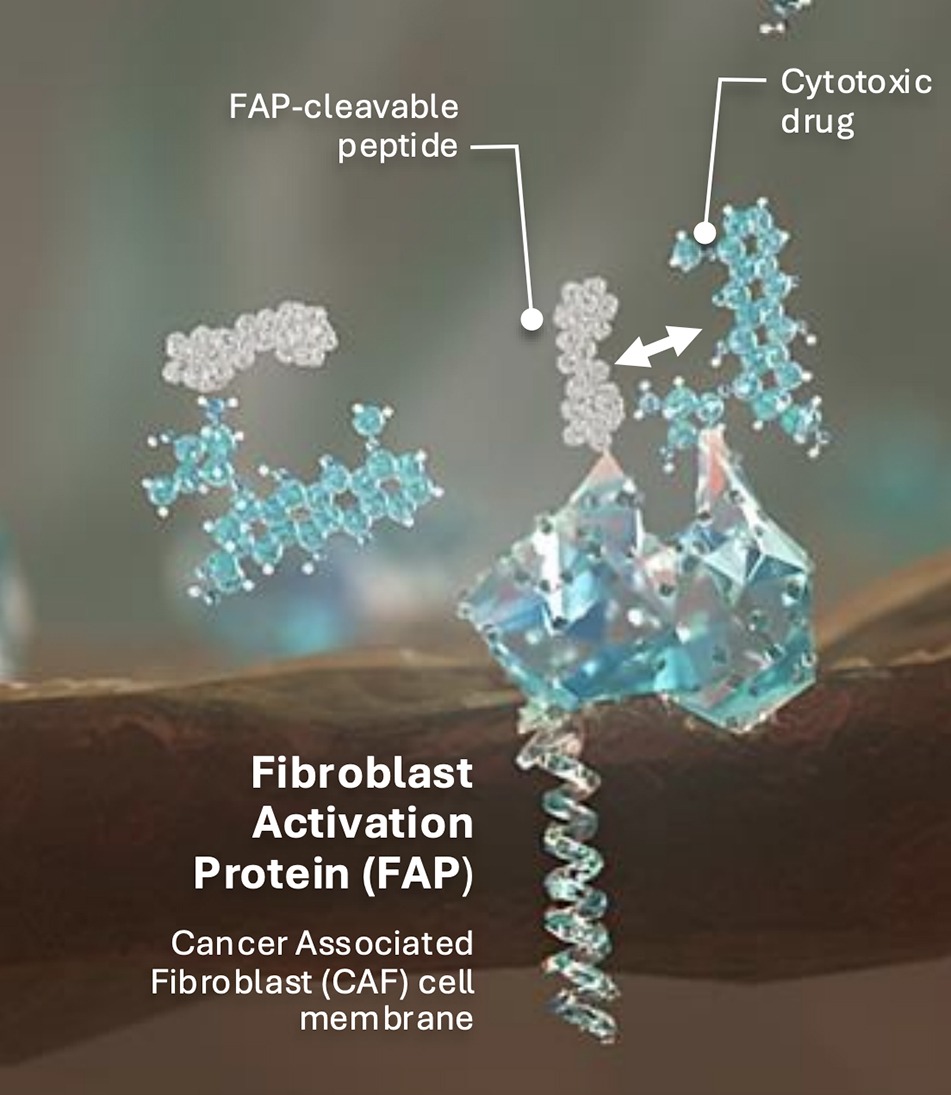
    Avacta delivers two clinical stage peptide-drug conjugates to target delivery of toxic payloads into the tumour microenvironment

    Avacta delivers two clinical stage peptide-drug conjugates to target delivery of toxic payloads into the tumour microenvironment

    US FDA approves first gene therapy for paediatric patients with Sanfilippo syndrome type A

    US FDA approves first gene therapy for paediatric patients with Sanfilippo syndrome type A

    Technology and accessibility are key to growth of advanced treatment of heart diseases, says expert

    Technology and accessibility are key to growth of advanced treatment of heart diseases, says expert