
According to WHO, “Cancer is the second leading cause of death globally, and was responsible for 8.8 million deaths in 2015. Globally, nearly 1 in 6 deaths is due to cancer”. The growing prevalence and harsh treatment options are escalating the no. of casualties occurring worldwide due to various types of cancer.
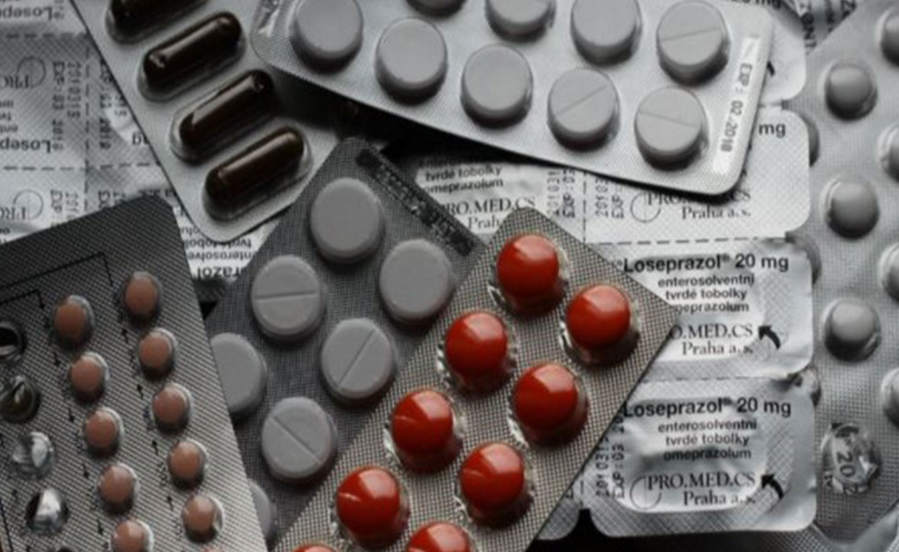
The use of antibiotic is among the most common therapy employed in treatment and are often associated with drug resistance upon prolonged use.Variousscientific reports demonstrate that antibiotics may hamper the cancer treatment and their rational use is necessary during the highly complex and targeted treatment of cancer to avoid any unwanted consequence.
Billions and trillions of bacteria, viruses and funguses comprises the gut microbiota, which help us digest food and protect us from other invaders. Antibiotic are well known for the havoc they cause on microbes, sometimes leading to severe diarrhea and other discomforts as it alters the natural and healthful complement of our microbiota.
“It likely depends on what types of therapy physicians are giving to patients and how often they also are giving them antibiotics,” says Dr Gang Zhou, Immunologist at the Georgia Cancer Center. Mixed effects of antibiotics in some of the newest therapies have observed in the first evidence. The new and recurring infections complicate chemotherapy and most commonly, antibiotics comes handyin combating them.“We give a lot of medications to prevent infections,” says Dr Locke Bryan, haematologist/oncologist at the Georgia Cancer Center and MCG.During cancer treatment, white blood cell (WBCs) count can get extremely low leaving the patient prone to infections, in such cases it may prove fatal if not taken care as per Dr Bryan, a study co-author.
Impact of antibiotics on gut microflora affects the T Cells, the main players of immune response leading to lesser efficacy of the cancer immunotherapies as evidenced by Dr Bryan, Dr Zhou and their colleagues. Their report on altered T cell transfer immunotherapy, which is still in infancy, shows a mixed effect upon use of antibiotics. T Cells can be altered in such a way that they are able to fight cancer more efficiently.
“These infused T cells can pretty much act on their own to kill cancer cells,” Dr Zhou says.
CAR T-cell therapy.
In this new and promising immunotherapy, physicians isolate T cells from a patient’s blood, engineer them to express a tumor-finding receptor and inject them back to the patient. Conditioning chemotherapy doses prescribed to;intentionally wipe out some of their normal T cellsmakes room for the engineered super-fighters. This emerging treatment is very promising in patients who have failed conventional treatmentslike chemotherapy.In animal models, antibiotic use did not have any effect on this therapy, even when used for longer periods, though gut microbes were affected considerably.
Another therapeutic model called adoptive T Cell transfer was affected by the antibiotic use, although both therapies are very similar. One major difference here is that, unlike the CAR T-cell therapy, these engineered T cells still need help from the innate immune system to fight a tumour, now that they can better target it, Dr Zhou says.
It is now well evidenced that wiping out of these friendly gut microbes significantly reduces the effects of immunotherapies and patient may receive less optimal outcomes.
There can be more conflicting issues even after keeping the antibiotics out of the equation. Chemotherapy and Immunotherapy can affect each other and this is probing the scientist to figure out ways how to combine various treatment strategies to achieve an optimal therapy.
The study has been published in the journal Oncotarget.





%20In%20Drug%20Development)