The Central Drugs Standard Control Organisation (CDSCO) has not banned the commonly used paracetamol drug in India
New Delhi: The Central Drugs Standard Control Organisation (CDSCO) has not banned the commonly used paracetamol drug in India, Union Minister of State for Chemicals and Fertilisers Anupriya Patel said on Tuesday.
In a reply in the Parliament, during the ongoing Monsoon session, Patel said that “the Ministry of Health and Family Welfare has said that the Central Drugs Standard Control Organisation is not in receipt of information about rumours” of the regulatory body banning paracetamol.
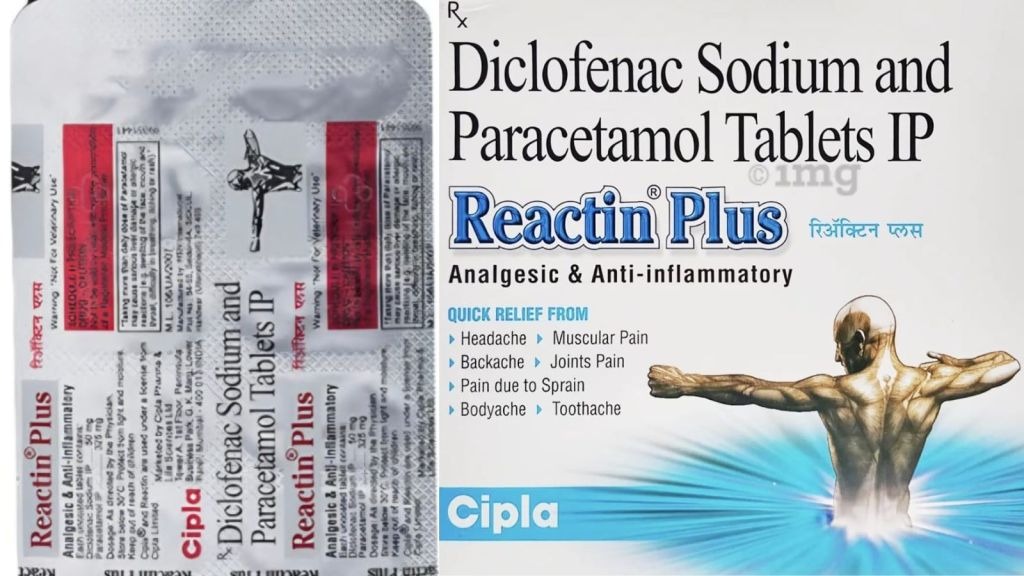
Noting that “paracetamol is not banned in the country”, Patel said that “various fixed-dose combinations, including such combinations of paracetamol with other drugs, have been banned in the country”.
Further, the MoS noted that the government has rolled out the free drugs service initiative under the National Health Mission.
“This aims to ensure availability of essential drugs and reduce out-of-pocket expenditure of patients visiting the public health facilities, including government hospitals and rural primary health centres,” she added.
For the provision of free essential medicines in public health facilities, the states are provided with financial support.
Support is available for the procurement of drugs and the strengthening or setting up of robust systems of procurement, quality assurance, supply chain management and warehousing, prescription audit and grievance redressal, and for the dissemination of standard treatment guidelines and the establishment of the information-technology-enabled platform named Drugs and Vaccine Distribution Management System (DVDMS), which is used for monitoring the actual status of procurement and availability of essential medicines.
Patel said that the Ministry of Health has also recommended a facility-wise essential medicines list to be made available at public healthcare facilities, including government hospitals and rural primary health centres.
“The recommended Essential Medicines List for Sub Health Centres, Primary Health Centres, Community Health Centres, Sub-District Hospitals and District Hospitals consists of 106, 172, 300, 318 and 381 drugs, respectively, with flexibility for states to add more medicines.
Source: The Sentinel