Aakash Healthcare saves, Serving a Lesson Loud n Clear- Beware of Over- the- Counter Drugs
 New Delhi: Self medication is a recipe for disastrous consequences for life. But despite daily dose of red flags about over the counter drugs, we refuse to smell the coffee. The case of dire consequence reaching to Aakash Healthcare might serve as a jolt to ‘deaf ears’. Though doctors saved the 65 year old patient, popping pill from over the counter triggered a potentially fatal reaction. Life was saved with lesson loud and clear- Beware of over the counter drug.
65-year-old Delhi patient developed Steven Johnson syndrome after self-medication which is potentially fatal skin condition. Swift 20-day multidisciplinary intervention helps doctors save his life despite 50% skin involvement and severe complications.
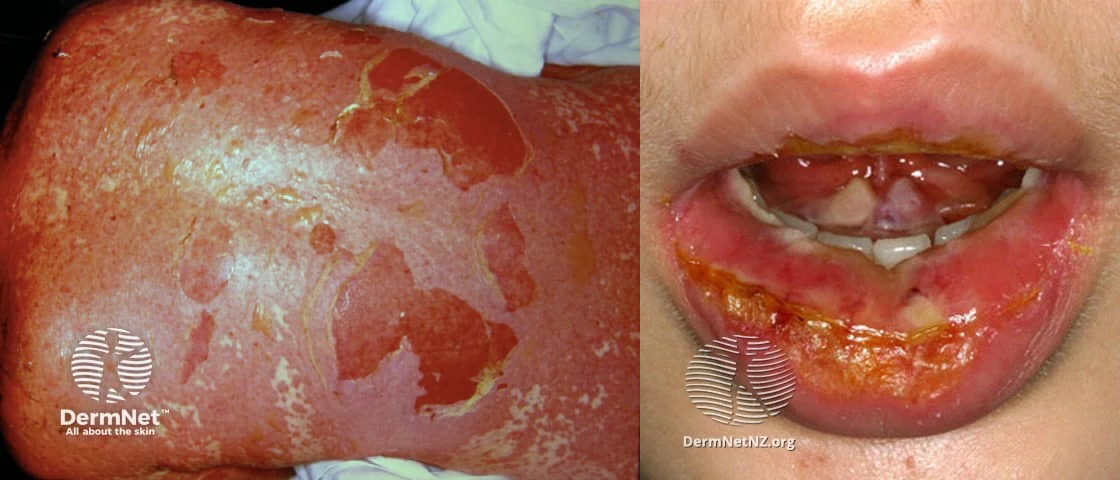
In a remarkable display of multidisciplinary care and clinical precision, doctors successfully saved the life of a 65-year-old patient diagnosed with Toxic Epidermal Necrolysis (TEN)—a rare and potentially fatal drug reaction popularly known as Stevens-Johnson Syndrome.
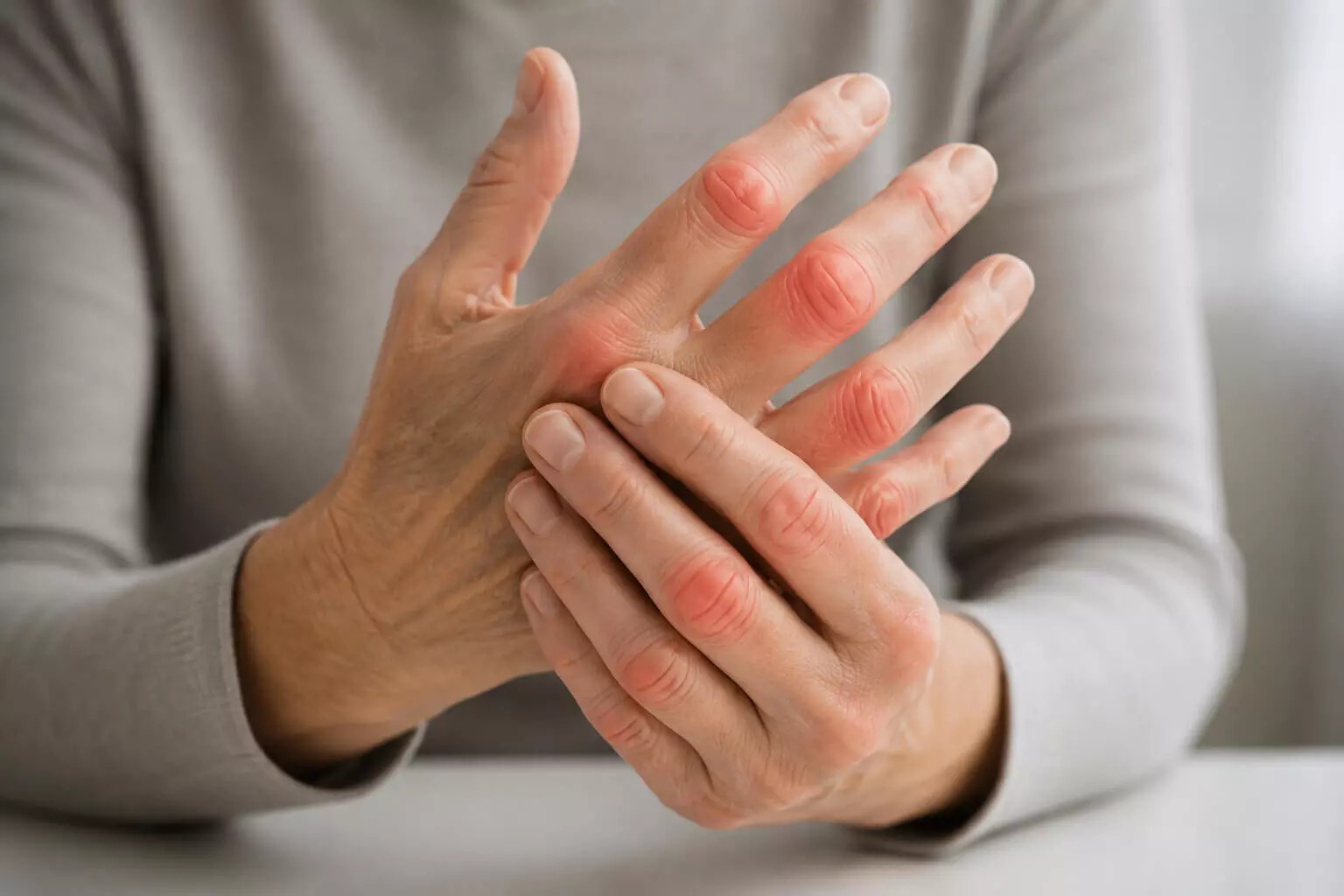
Sanjeev Kumar, who was admitted in a critical state, was presented with rapidly progressing blisters covering nearly 50% of his body, including his trunk, limbs, and mucosal surfaces such as the mouth, throat, and genitals. The condition had developed within days after he consumed over-the-counter medications for fever, suspected to include antibiotics and painkillers.
Recognizing the severity early, the emergency team initiated an aggressive and coordinated treatment plan. With dermatology confirming TEN, high-dose steroid therapy was promptly started. Given the involvement of the eyes, ophthalmologists intervened with an advanced amniotic membrane graft procedure to protect vision and prevent long-term complications.
The patient was managed under strict barrier nursing protocols to minimize infection risk due to extensive skin loss. He received broad-spectrum antibiotics to tackle secondary infections, including a confirmed urinary infection caused by Enterococcus species. Daily sterile dressings, intensive fluid management, nutritional support, and tight blood sugar control, critical due to his diabetic status, were meticulously maintained over a 20-day hospital stay.
Despite the high mortality risk associated with TEN, often compounded by complications such as sepsis, pneumonia, and multi-organ failure, the patient responded positively to treatment and was eventually discharged in stable condition.
“Toxic Epidermal Necrolysis is one of the most severe forms of drug reactions we encounter. In this case, nearly half of the patient’s skin barrier was compromised, putting him at extreme risk of infections and organ failure. Early diagnosis, timely steroid therapy, and rigorous supportive care, especially infection control and wound management were critical in saving his life,” said Dr.Vikramjeet Singh, Senior Consultant, Internal Medicine, Aakash Healthcare.
“This case highlights the importance of rapid response, clinical expertise, and seamless teamwork across specialties. Managing TEN is akin to treating severe burn patients as it requires precision, vigilance, and compassion at every step. We are proud of our team for delivering a positive outcome in such a complex and life-threatening condition,” said Dr. Aashish Chaudhry, Managing Director, Aakash Healthcare.
About TEN and Stevens-Johnson Syndrome:
TEN and Stevens-Johnson Syndrome are rare but serious hypersensitivity reactions, most commonly triggered by medications such as antibiotics and painkillers. They lead to widespread skin blistering, peeling, and mucosal involvement, often requiring intensive care. If not treated promptly, these conditions can result in life-threatening complications including sepsis, respiratory distress, and multi-organ failure.
Public Advisory:
“Many people think that over-the-counter medicines are completely safe, but this case shows that even a simple pill taken without medical advice can lead to a life-threatening reaction. Early symptoms should never be ignored, and self-medication must be strictly avoided. Timely hospital care can make the difference between life and death,” said Dr Saroj Kumar Yadav, Senior Consultant, Internal Medicine, Aakash Healthcare.