
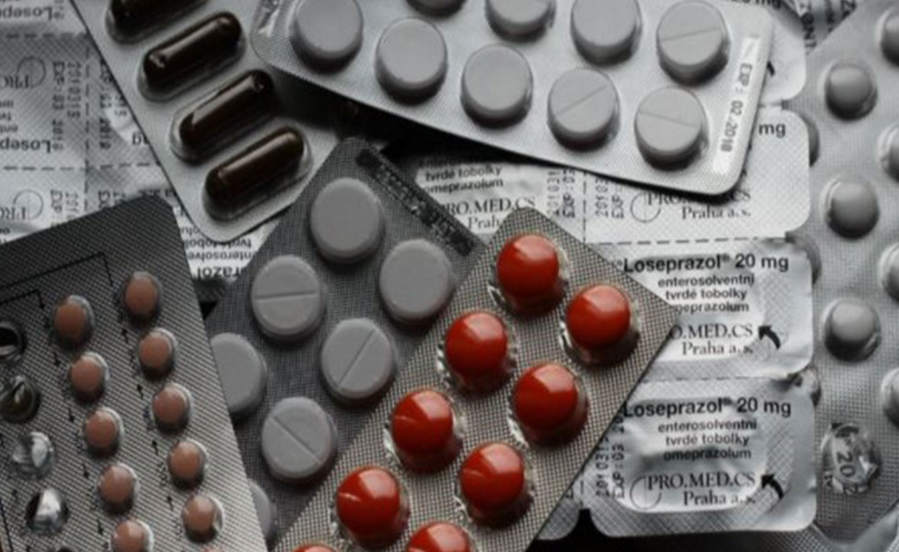
NEW DELHI: Around 40% of the essential medicines in India with lowest MRP are priced significantly higher than estimated production costs, an assessment by the World Health Organisation (WHO) shows highlighting the “exorbitant” profiteering by pharmaceutical companies and the scope for lowering prices of drugs.
While innovative and newer drugs for cancer, hepatitis C and rare diseases are out of reach of many due to their unaffordable prices, even off patent drugs which are in market for long and commonly used for diseases like HIV, tuberculosis and malariaare priced very high with huge margins over their cost of production.
This results in high expenditure pushing people into poverty. In India over 75% of health expenditure is out-of-pocket, of which the major chunk is spent on medicines. This is despite India being a manufacturing hub and the biggest supplier of low cost generic medicines to the world.
 The study shows while Indian prices were below WHO’s estimated generic pri- ce in many cases, they were mostly government tender prices, which are likely to be significantly lower than the private market prices more often experienced by those needing medicines in India.
Moreover, most of the high-priced medicines in India were found only in the private market, suggesting a lack of availability in public facilities, the study said.
Findings of the report were discussed by the global health community at an international forum hosted by the UN agency on fair pricing and access to medicines last week in Johannesburg.
Delegates from governments and civil society organisations called for greater transparency around the cost of research and development as well as production of medicines, to allow buyers to negotiate more affordable prices. “The market prices of medicines in India do not bear any resemblance to the cost of production. Unfortunately, the national pricing regulation, applied to essential medicines, has shifted from a cost-plus mechanism to a market-based mechanism in 2013. This has been challenged by AIDAN in the Supreme Court because the market-based system is deeply flawed,” says Malini Aisola of All India Drugs Action Network (AIDAN)





%20In%20Drug%20Development)