New Delhi: Cough syrup samples collected from more than 100 pharma units in the country have failed quality tests, according to a government report, which highlights that some had the same toxins that were found in the cough syrups that were linked to deaths of children in Gambia, Uzbekistan and Cameroon.
According to the Central Drugs Standard Control Organisation’s report, the sub-standard batches were declared as “not of standard quality” (NSQ) for parameters such as diethylene glycol (DEG) or ethylene glycol (EG). It flagged it as a “matter of concern”.
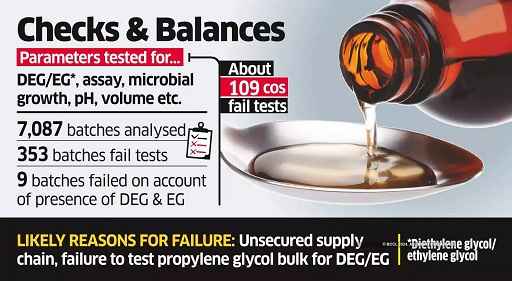
The report, which was presented in the health ministry, said the batches of cough syrups were declared as NSQ for parameters such as DEG/EG, assay, microbial growth, pH and volume.
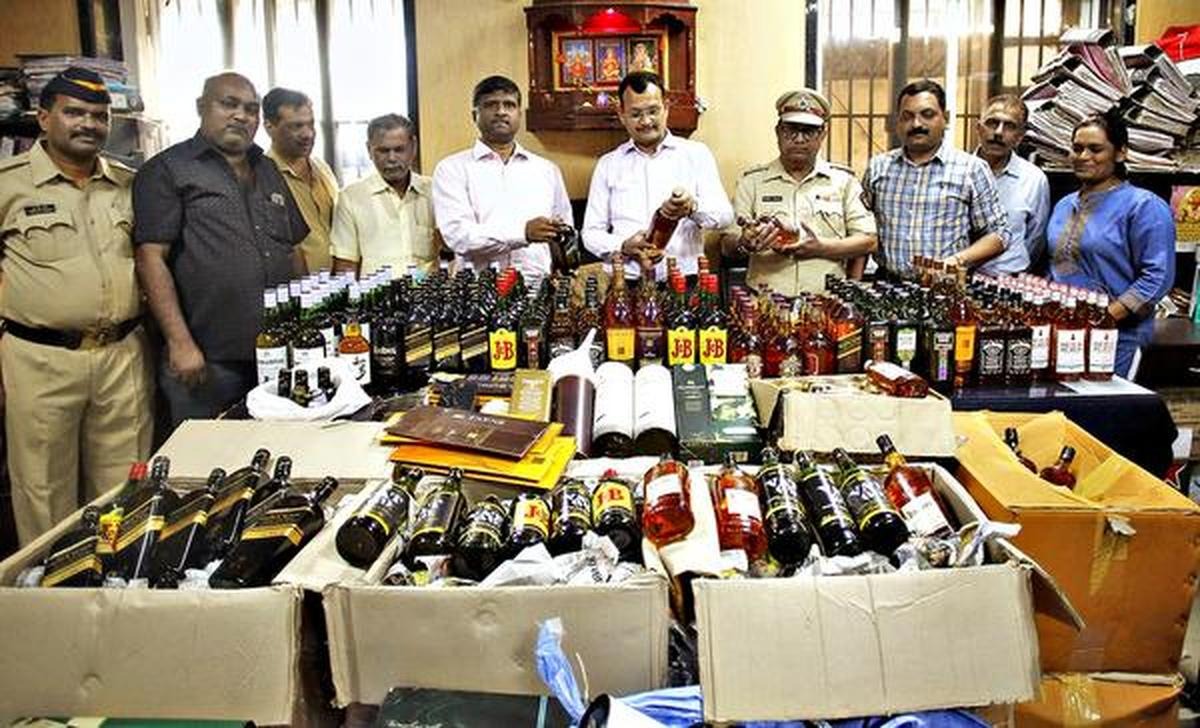
Out of the 7,087 batches analysed, 353 were declared as NSQ, while nine failed on account of the presence of DEG and EG.
The reasons for failure on account of DEG/EG, as per the report, were “unsecured supply chain and failure to test the propylene glycol bulk for DEG/EG, among others”.
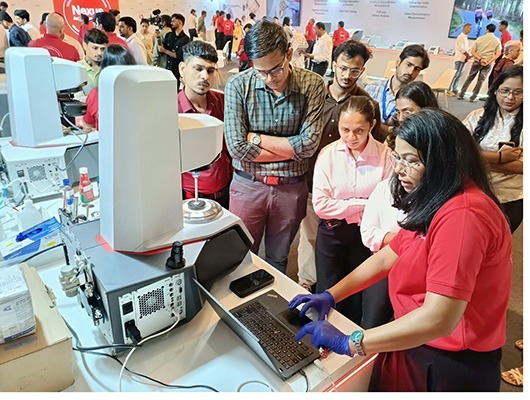
Various laboratories, including the government-run and the private labs-across the country, have been conducting tests in the aftermath of reports linking India-made cough syrups to 141 child fatalities globally.
India-manufactured cough syrups have been under the scanner after the World Health Organisation (WHO) in October 2022 said deaths of about 70 children in Gambia from acute kidney injury (AKI) might be linked to cough and cold syrups made by Indian manufacturers.
The CDSCO, with the help of state drug control departments, has been carrying out inspections of the cough syrup manufacturing units and distributors of propylene glycol to map the supply chain.
“The manufacturers have been sensitised on the use of pharma-grade propylene glycol,” an official said.
In May last year, the Drugs Controller General of India (DCGI) had asked state drug controllers “to give instructions to their state-owned NABL-accredited laboratories to analyse the samples received from the manufacturers of cough syrups for export purpose on top priority and issue the test report at the earliest”.
The Directorate General of Foreign Trade (DGFT) had also made it mandatory for exporters of cough syrups to get them tested at government laboratories and produce a certificate of analysis (CoA), effective last June.
An investigation by United States Centres for Disease Control and Prevention and Gambian scientists into the deaths in the small west African country had “strongly suggested” that imported medications contaminated with diethylene glycol (DEG) and ethylene glycol (EG) led to AKI clusters among children.