IPC Waives Off TABST For Veterinary Vaccines

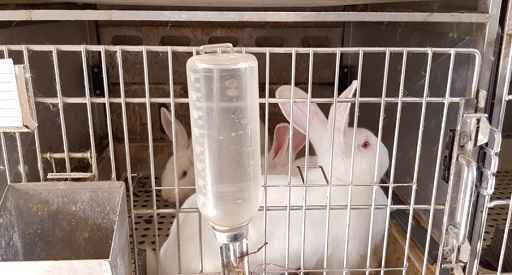
Chennai: In a significant move, the Indian Pharmacopoeia Commission (IPC) has waived off the Target Animal Batch Safety Test (TABST) in the Indian Pharmacopoeia, effective July 1, 2024.

The TABST, a non-specific safety test for veterinary vaccines, typically involves the administration of vaccine overdoses to animals to test that every batch of vaccine produced is safe for a specific species. However, multiple studies have proved that the method lacks specificity and is prone to producing false results. The IPC’s decision to waive the TABST will reduce the number of animals subjected to unnecessary testing and underscores the supportive atmosphere of the regulators and industry to steer away from obsolete animal-based testing, a press release from Humane Society International/India, said.

By recognizing the shortfalls of the TABST and allowing the test to be waived, India is a step closer to aligning itself with international veterinary vaccine testing standards, joining Brazil, Europe, Canada, the US, Japan, and others, as per the press release.

Alokparna Sengupta, managing director at Humane Society International/India said: “We are delighted at the recent waiver of the TABST. This reaffirms India’s commitment towards eliminating obsolete animal tests for batch release testing of vaccines.”

This waiver follows a series of progressive decisions by the IPC. Back in 2018, the Rabbit Pyrogen Test was replaced with the Bacterial Endotoxin Test (BET), followed by the inclusion of the Monocyte Activation Test in 2018 and removal of the Abnormal Toxicity Test for almost all human vaccines in 2020 from Indian Pharmacopoeia monographs.

Over the last five years, HSI/India’s Research & Toxicology department has been working with the Government of India, the veterinary industry and associated interest holders to promote the development and use of advanced non-animal methodologies, the press release said.

Related Posts

Nearly Three in Ten Products in Indian Local Markets Perceived as Counterfeit; Pharmaceuticals and FMCG among Worst-Affected Sectors: ASPA–CRISIL Intelligence Report

New Delhi: Nearly 29% of products available in India’s local markets are perceived by consumers to be counterfeit, highlighting the growing challenge of fake goods across critical sectors, including pharmaceuticals…

Culture reports reveal bacteria damaged cornea of five patients from Kuchaman

Jaipur: Culture reports confirmed that five patients shifted to SMS Hospital, Jaipur, after cataract surgery at Kuchaman govt hospital have tested positive for serious postoperative eye infections caused by Enterobacter…

Leave a Reply

Your email address will not be published. Required fields are marked *

You Missed

Nearly Three in Ten Products in Indian Local Markets Perceived as Counterfeit; Pharmaceuticals and FMCG among Worst-Affected Sectors: ASPA–CRISIL Intelligence Report

Nearly Three in Ten Products in Indian Local Markets Perceived as Counterfeit; Pharmaceuticals and FMCG among Worst-Affected Sectors: ASPA–CRISIL Intelligence Report

Culture reports reveal bacteria damaged cornea of five patients from Kuchaman

Culture reports reveal bacteria damaged cornea of five patients from Kuchaman

FSSAI prohibits Dabur from selling food products with ‘100%’ claims

FSSAI prohibits Dabur from selling food products with ‘100%’ claims

ORSL reinforces its commitment to improve diarrhoeal prevention in children

ORSL reinforces its commitment to improve diarrhoeal prevention in children

‘Donors got mixer grinders, cash’: blood banks in Bengal under scanner over ‘illegal’ sale to other States

‘Donors got mixer grinders, cash’: blood banks in Bengal under scanner over ‘illegal’ sale to other States

CREATE Medicines expands targeted in vivo CAR platform through strategic research collaboration and exclusive license pact with Monash University

CREATE Medicines expands targeted in vivo CAR platform through strategic research collaboration and exclusive license pact with Monash University