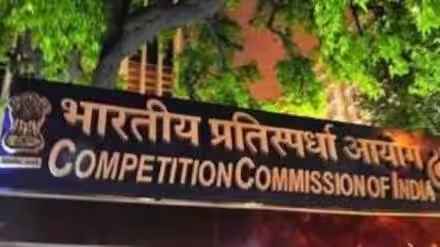
New Delhi: The Competition Commission of India (Commission) bench, comprising Ms. Ravneet Kaur (Chairperson), Mr. Anil Agrawal (Member), Ms. Sweta Kakkad (Member), and Mr. Deepak Anurag (Member), has held that there is no evidence to conclude that a cartel arrangement exists among certain individuals from pharma companies and officials of the Employees’ State Insurance Corporation (ESIC) in the procurement of medicines and healthcare products.
The informant alleged that the cartel is supposedly involved in the procurement of medicines and healthcare products through an e-procurement system, leading to inflated prices. The Informant claimed that this causes a loss to the public and raises healthcare costs for ordinary people.
Background Facts
The Informant contended that there exists a cartel arrangement involving officials of the Employees State Insurance Corporation (ESIC), five individuals (OP-1 to OP-5), and directors, representatives, and employees of 29 drug manufacturing companies.
The Informant claimed that this cartel has influenced the tendering process for the procurement of medicines and healthcare products, leading to inflated prices in the contracts awarded by ESIC.
The Informant further contended that the guidelines, rate structures, and contract terms in these tenders are manipulated under the influence of the alleged cartel to ensure that contracts are awarded at inflated prices.
According to the Informant, this collusive practice has resulted in overpricing of up to 40% compared to the actual cost. With the annual value of these contracts amounting to approximately ₹1000 crores, the alleged overpricing has led to a direct loss of around ₹400 crores per year. The Informant described this loss as a “commission” taken by the parties involved in the cartel for securing tenders at highly inflated rates.
Additionally, the Informant stated that other government bodies use ESIC’s pricing as a benchmark for their own procurements, worsening the impact of the alleged malpractice. The Informant argued that this not only causes significant loss of public funds but also makes essential medicines unaffordable for the general public, especially those not enrolled in the ESIC scheme.
Therefore, the Informant filed a complaint before the Commission, seeking an immediate investigation, cancellation of all tenders awarded to these companies, the appointment of an investigation agency to examine communications of key individuals to uncover their connections with government officials, and the formation of a committee to re-evaluate pricing and oversee a fresh bidding process under the supervision of the Commission.
Observation and Direction by Commission
The Commission observed that the Informant alleged a cartel arrangement among certain individuals from pharma companies and ESIC officials. This purported cartel was said to have inflated prices for medicines and healthcare products procured through the e-procurement system, leading to public loss and increased healthcare costs.
The Commission noted that the Informant provided only a vague document comparing the price of a Plaster of Paris Bandage in a J&K purchase order with the ESIC purchase price. This document showed a significant price difference, but publicly available information indicated a different price for the bandage.
The Commission observed that the Informant failed to provide detailed information on tenders, medicines, or involved parties. Despite being given two opportunities to present evidence, the Informant only made broad allegations without substantial proof. Therefore, Commission dismissed the complaint against opposite parties.