Aspen Pharmacare has signed a deal with the Serum Institute of India to manufacture and sell four Aspen-branded vaccines for Africa, as it seeks to utilise its near-idle COVID-19 vaccine production lines in South Africa.
Shares in Aspen jumped 6% in afternoon trade on Wednesday on news of the deal and after it posted a 31% jump in full-year profit.
The agreement gives Aspen an assured pipeline of vaccine orders for years to come, CEO Stephen Saad told Reuters in an interview.
Aspen has a contract with Johnson & to package its COVID-19 vaccine into vials and earlier this year it extended its agreement to allow it to package, sell and distribute the vaccine under its own brand Aspenovax for Africa.
But it has not received a single order yet for the COVID vaccine and its J&J orders under its previous contract were also “dwindling”, putting at risk its 450-million-dose vaccine production line.
Saad and other executives told Reuters early in August the company might look at pivoting the COVID vaccine lines to produce anaesthetics or other products.
“(It’s) not a great way to run a factory and to keep people employed with uncertainty,” Saad said, referring to the lack of COVID-19 vaccine orders.
The deal with Serum gives Aspen certainty on volumes, which will eventually more than cover an expected decline in revenues from its COVID vaccine contract with J&J, he said.
But he cautioned it would take at least 12 months for the production of new vaccines to begin. Until then Aspen still hoped to secure orders for Aspenovax.
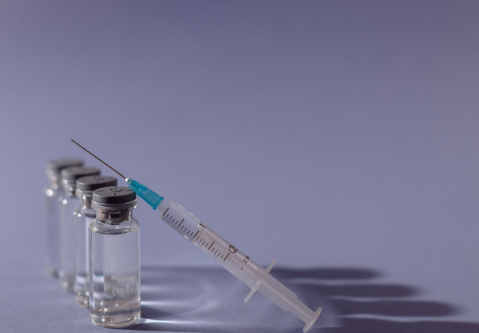
Under the Serum agreement, Aspen will produce hexavalent, pneumococcal, polyvalent meningococcal and rotavirus shots – all vaccines commonly administered in Africa – it said in a statement. The two companies may also discuss expanding the agreement to include new products.
Aspen is also expecting to receive grants from the Bill & Melinda Gates Foundation and the Coalition for Epidemic Preparedness Innovations aimed at boosting affordable vaccine production.
That would help the company supply vaccines to African countries, the vaccine alliance GAVI and UNICEF.
The drugmaker’s profit for the year ended June 30 rose 31% with headline earnings per share – the main profit measure in South Africa – at 14.61 rand ($0.8574) versus 11.19 rand a year ago. It generated 38.6 billion rand in revenue, a 2% increase over the prior year, with its J&J contract accounting for 1.4 billion.
Saad said Aspen has factored in revenue of just around 200 million rand from COVID-19 vaccine production in its current financial year unless it gets orders for Aspenovax.