NEW DELHI : Indian Medical Association (IMA) president Dr Sharad Agarwal has raised concerns over the quality of generic medicine made in India. In an interview, he also raised concerns on restrictions placed on doctors attending medical conferences, saying educational conferences are only a discussion forum about advancements in medicine.
His remarks come amid a controversy on a National Medical Commission (NMC) regulations, now put on hold by the health ministry.
What is IMA’s response to the new regulations?
The biggest concern is quality of generic medicines in India — because there is no control and quality check on it. We have urged to the government that generic drugs being manufactured in India should hit the market through proper channel following all regulatory compliance. We (doctors) cannot prescribe medicine in the name of ‘cheap medicine’ if the medicine is not effective. During the meeting with the health ministry last week, we raised our concern about the generic drugs and its quality.
Aren’t government doctors already prescribing generic drugs?
Government doctors are bound to prescribe generic medicines because they are working in a government set-up and they do not have any other choice. Nobody is going to ask them if the medicine prescribed is ineffective. But private doctors have the sole responsibility towards their patients. Government hospitals cover only 25% of the patient load while 75% of the healthcare sector is covered by the private sector. I urge government to do research on quality of generic drugs available in government hospitals and share the data with the public and IMA.
Doesn’t the drug regulator enforce compliance of quality checks?
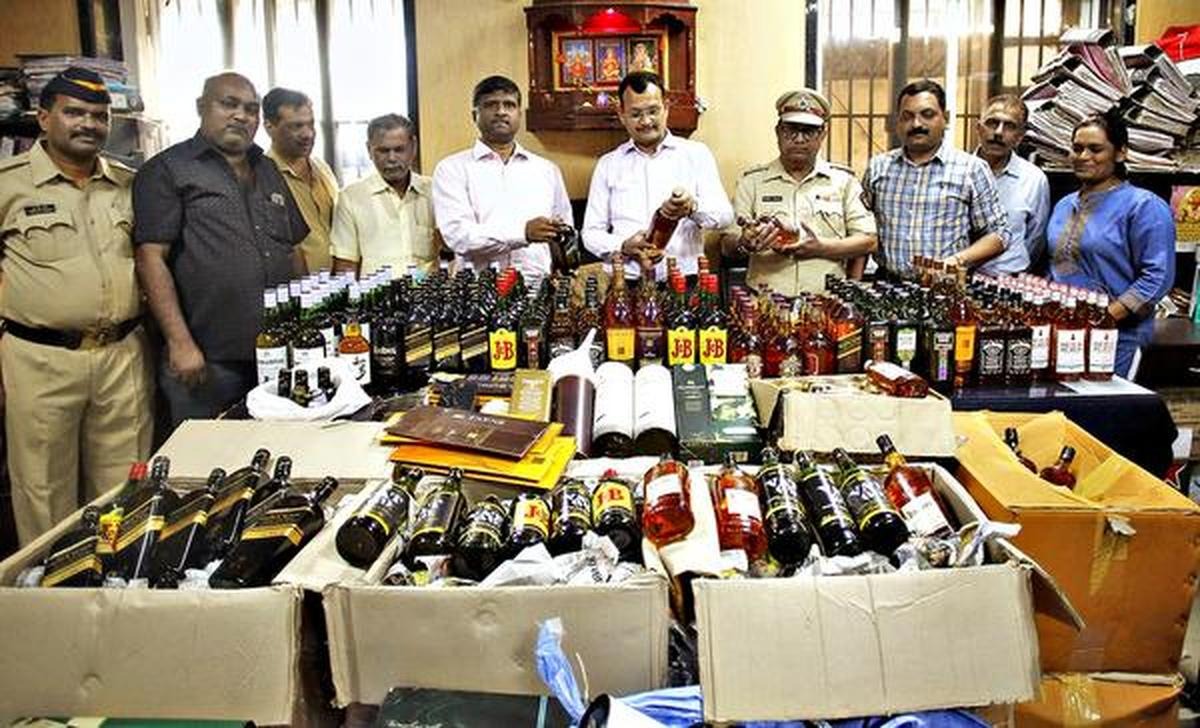
If quality check is being done, then why do we keep on getting news of raids on spurious drugs in different parts of the country? Factories are being sealed… I see that the government system is in place, but as of now it is not complete to tackle everything, and medical field cannot progress with half-cooked work. Even WHO reports raised red flag on the quality of generic drugs. Government say that quality control is 50% but what about the remaining 50%? We want assurance on the quality of the generic medicines in a scientific way from the government.
Did doctors raise the issue of sponsored educational conferences?
IMA is a national association of medical professionals with more than 400,000 doctors. It does not support doctors taking freebies. We raised our concern that medical education is undergoing advancement with each passing day. If we don’t match up with these developments and attend these conferences, then we can’t offer new medical treatments to our patients. Had these conferences been shut down 20 years ago, we would’t have had expertise in offering cardiac and cancer treatment.