Geneva : WHO has published its first global research agenda for the world’s scientists to address the most urgent human health priorities to combat antimicrobial resistance (AMR). It outlines 40 research topics on drug-resistant bacteria, fungi and Mycobacterium tuberculosis that must be answered by 2030, in line with the Sustainable Development Goals.
The WHO Global Research Agenda for AMR in human health will catalyze innovation and implementation research, spanning the epidemiology, burden and drivers of AMR, context-specific and cost-effective strategies to prevent infections and emergence of resistance.
It will also involve the discovery of new diagnostic tests and improved treatment regimens, the identification of cost-effective methods to collect data and translate it into policy, as well as how to implement current interventions more efficiently in resource-limited settings. Ultimately, the generated evidence will inform policies and interventions to strengthen the response to antimicrobial resistance, particularly in low- and middle-income countries.
“Antimicrobial resistance is an urgent public health and economic challenge, and good quality research is a vital part of the response. To help preserve antimicrobials and save lives and livelihoods, this research agenda is a crucial tool for researchers and funders to prioritize research questions, and promptly and efficiently generate evidence that informs policy,” said Dr Hanan Balkhy, WHO Assistant Director-General for AMR. “This first research agenda from WHO will provide the world’s AMR researchers and funders with the most important topics to focus on and give the world its best chance to combat AMR,” added Dr Silvia Bertagnolio, Unit Head in WHO AMR Division.
The research agenda was developed based on a review of over 3000 relevant documents published over the past decade. The review identified 2000 unanswered questions or knowledge gaps, which were further consolidated and prioritized by a large group of AMR experts to conclude with the 40 most pivotal research topics. A summary report containing the research priorities is available here.
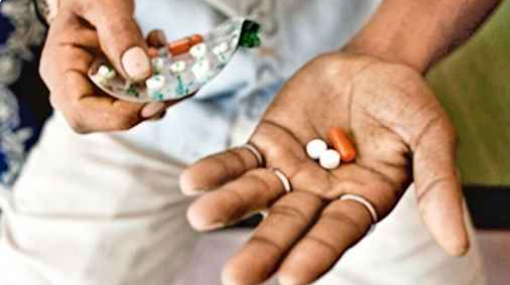
AMR occurs when bacteria, viruses, fungi and parasites change over time and no longer respond to antimicrobial medicines making infections harder to treat and increasing the risk of disease spread, severe illness and death.
As a result, antimicrobial medicines become ineffective and infections persist in the body, increasing the risk of transmission to others. AMR remains one of the top global public health threats facing humanity and was associated with the death of close to 5 million people globally in 2019. Importantly, it is also a threat to the global economy, with impact on international trade, health care and productivity. If no action is taken, AMR could cost the world’s economy US$ 100 trillion by 2050.