 Anuj Batra
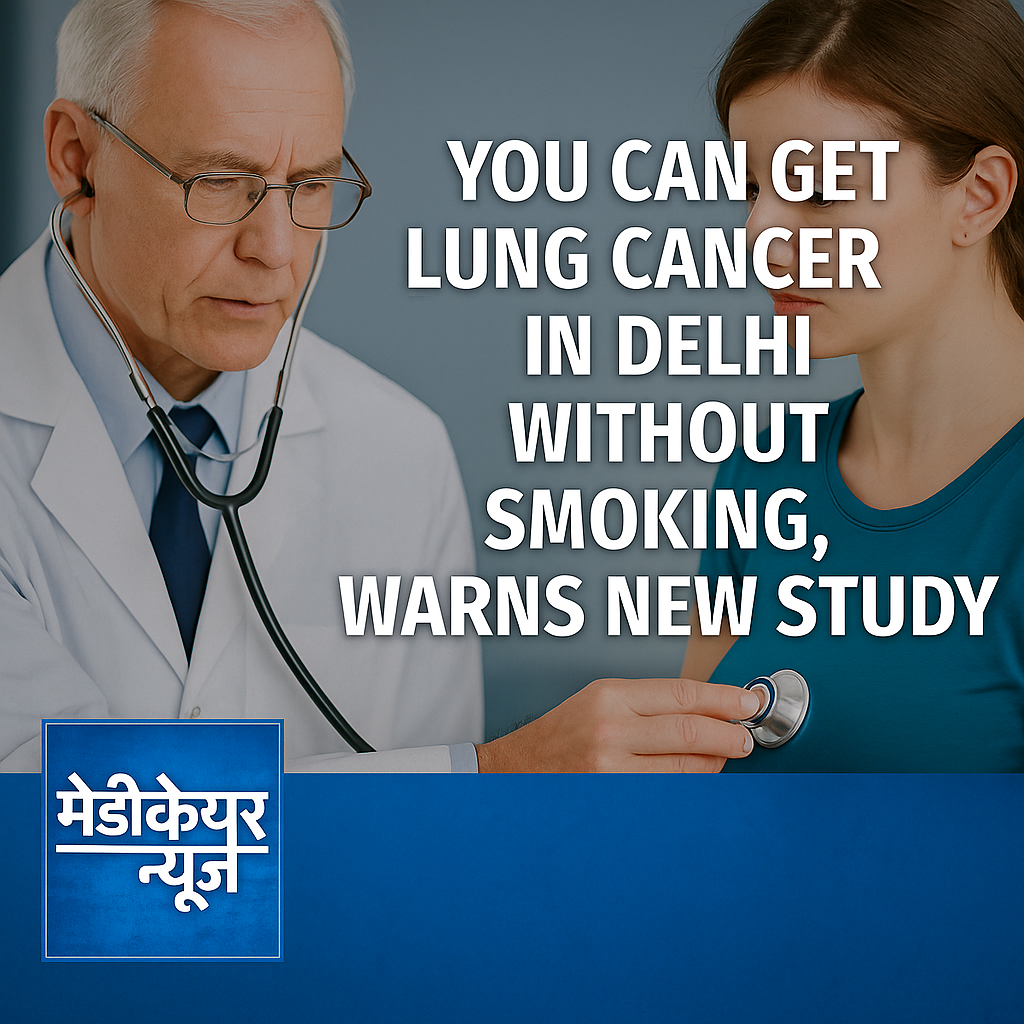
New Delhi, August 4 2025 — A groundbreaking study featured in the Asia Pacific Lung Cancer Policy Consensus (APAC Consensus) has raised alarm: air pollution in Delhi is fueling lung cancer among non-smokers, according to experts.
The report highlights rising cases in younger adults and women with no history of smoking, signaling a growing public health crisis linked to Delhi’s toxic air.
Lung Cancer Cases Rising Without Tobacco Exposure
Earlier studies in Delhi showed that non-smokers now account for half of lung cancer cases—a significant shift from the 90% smoker-driven cases in the 1980s.
Among patients below age 50, up to 70% were non-smokers, especially women. Experts attribute this to long-term exposure to PM2.5 and other air pollutants.
Why This Is Happening?
Research points to multiple sources of carcinogenic exposure:
Outdoor air pollution (vehicle emissions, industrial smog) Household air contaminants, including cooking fuel fumes and second-hand smoke.Additional risk in women due to higher exposure to indoor cooking-related pollutants and possible genetic predispositions like EGFR mutations
Public Health Summitues
Health experts at the APAC Consensus called the trend a public health emergency, urging Indian authorities to broaden lung cancer risk definitions beyond smoking.
They recommend urgent policy reforms, including stricter pollution control, wider lung cancer screening coverage, and destigmatization of non-smoker patients.
Changing Epidemiology
A 2014–2018 analysis at a major Delhi hospital revealed that among lung cancer patients under 30, none had ever smoked.
By contrast, half the total lung cancer patients were non-smokers—marking a stark demographic shift.
Physicians warn this trend mirrors global reports of rising adenocarcinoma in non-smokers, particularly in women living in polluted urban regions.