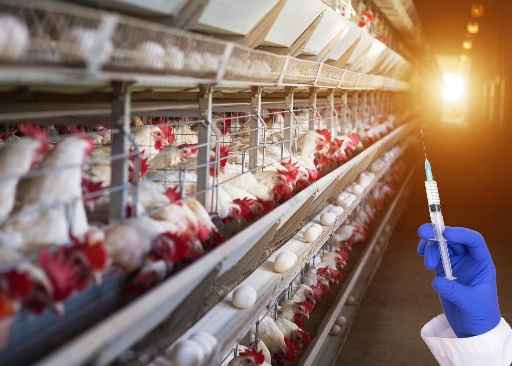
Govt Considers Ban On Two Antibiotics For Poultry And Animal Feed Supplements

New Delhi: The government is considering banning the production, import and distribution of the chloramphenicol and nitrofurans classes of antibiotics for use in any food-producing animal rearing system, after it has been found that these drugs are misused in poultry and other animal feed supplements.

Both are commonly used antibiotics to treat bacterial and urinary infections in humans.

The Drugs Technical Advisory Board (DTAB) – India’s top drug advisory body – will soon take up the issue of imposing a total ban on the import and production of chloramphenicol and nitrofuran drugs for use in the food- producing systems, people in the know told ET.

The matter was discussed by the Drugs Consultative Committee (DCC) earlier where the members were of the view that drugs were often being misused for poultry and other animal feed supplements. Therefore, the committee agreed with a proposal for banning the import, production, distribution and sales of these drugs.

The Marine Products Export Development Authority (MPEDA) had also submitted a representation to the Department of Animal Husbandry and Dairying last year raising the same issue, after which the matter was considered by the Empowered Committee on Animal Health.

Following this, the Ministry of Fisheries, Animal Husbandry and Dairying issued a memorandum last year in October to the MPEDA, stating that the committee had no objection to a total ban on import, production, distribution and sales of chloramphenicol and nitrofuran drugs for use in any food producing animal rearing systems.

The MPEDA then asked the Ministry of Health & Family Welfare to take the necessary steps to implement the committee’s recommendation.

“The matter will finally be taken up by the DTAB after which a notification to this effect is likely to come,” said a person in the know.

Related Posts

Nearly Three in Ten Products in Indian Local Markets Perceived as Counterfeit; Pharmaceuticals and FMCG among Worst-Affected Sectors: ASPA–CRISIL Intelligence Report

New Delhi: Nearly 29% of products available in India’s local markets are perceived by consumers to be counterfeit, highlighting the growing challenge of fake goods across critical sectors, including pharmaceuticals…

Culture reports reveal bacteria damaged cornea of five patients from Kuchaman

Jaipur: Culture reports confirmed that five patients shifted to SMS Hospital, Jaipur, after cataract surgery at Kuchaman govt hospital have tested positive for serious postoperative eye infections caused by Enterobacter…

Leave a Reply

Your email address will not be published. Required fields are marked *

You Missed

Nearly Three in Ten Products in Indian Local Markets Perceived as Counterfeit; Pharmaceuticals and FMCG among Worst-Affected Sectors: ASPA–CRISIL Intelligence Report

Nearly Three in Ten Products in Indian Local Markets Perceived as Counterfeit; Pharmaceuticals and FMCG among Worst-Affected Sectors: ASPA–CRISIL Intelligence Report

Culture reports reveal bacteria damaged cornea of five patients from Kuchaman

Culture reports reveal bacteria damaged cornea of five patients from Kuchaman

FSSAI prohibits Dabur from selling food products with ‘100%’ claims

FSSAI prohibits Dabur from selling food products with ‘100%’ claims

ORSL reinforces its commitment to improve diarrhoeal prevention in children

ORSL reinforces its commitment to improve diarrhoeal prevention in children

‘Donors got mixer grinders, cash’: blood banks in Bengal under scanner over ‘illegal’ sale to other States

‘Donors got mixer grinders, cash’: blood banks in Bengal under scanner over ‘illegal’ sale to other States

CREATE Medicines expands targeted in vivo CAR platform through strategic research collaboration and exclusive license pact with Monash University

CREATE Medicines expands targeted in vivo CAR platform through strategic research collaboration and exclusive license pact with Monash University