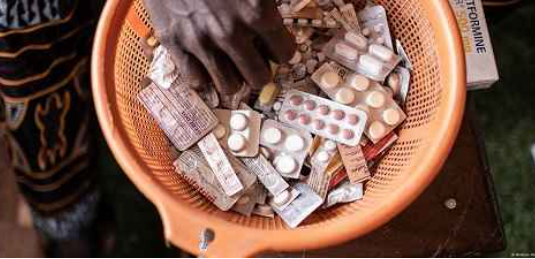
Indiana: Significant quality issues with cancer drugs in Africa pose a severe risk to patients, as highlighted by a landmark 2025 studyin The Lancet Global Health. Researchers found that a substantial percentage of anticancer drugs in sub-Saharan Africa are either substandard or falsified, containing incorrect quantities of the active pharmaceutical ingredient (API). This problem stems from a combination of weak regulatory systems, poor supply chain management, and inadequate testing infrastructure.
Key findings from recent research
- High prevalence of substandard products: A 2025 study, one of the first systemic investigations of cancer drug quality in sub-Saharan Africa, examined seven common cancer medications across Cameroon, Ethiopia, Kenya, and Malawi. The study found that about 17% (roughly one in six) of the tested medication lots had the wrong amount of API.
- Variable API content: The amount of API in the failed samples varied drastically, ranging from as low as 28% to as high as 120% of the labeled quantity. Administering a dose that is too low can allow the cancer to spread, while a dose that is too high can cause toxic side effects.
- Ubiquitous problem: Substandard or falsified drugs were found in both major cancer hospitals and private pharmacies in all four countries studied. The failure rate was not significantly different between locations.
- Visual inspection is ineffective: The study found that visual inspection, the most common quality check in these regions, is an unreliable method for detecting defective products. Only 9% of the substandard products were identified by visual inspection, as many quality issues are not visible.
Causes and contributing factors
- Weak regulatory enforcement: Many African countries lack the resources and capacity within their regulatory agencies to adequately assess all cancer drugs entering the market. This is particularly challenging for chemotherapy drugs, which are highly toxic and difficult to handle and analyze.
- Inefficient supply chains: Even if a drug is manufactured correctly, poor storage and shipping conditions can degrade its quality.
- No local testing facilities: As of mid-2025, sub-Saharan Africa had no pharmaceutical regulatory laboratories equipped to chemically analyze cancer drugs to the required standards.
- Affordability issues: The high cost of genuine medication can drive desperate patients to less-regulated marketplaces, where the risk of encountering low-quality drugs is higher.
Proposed solutions and ongoing efforts
- Strengthening regulatory systems: Experts stress the need for robust regulatory frameworks and better surveillance systems to monitor the supply chain. The African Medicines Agency (AMA), established in 2021, aims to facilitate harmonized regulations across the continent to build confidence in health products.
- Developing new screening technology: Researchers are developing innovative, low-cost technologies to screen for poor-quality drugs at the point of care. One example is the “chemoPAD,” a paper-based device designed for quick, on-site testing.
- International collaboration: Following the 2025 study, the World Health Organization (WHO) has confirmed it is working with the affected countries to address the issue and strengthen their regulatory systems.
- Increased awareness: Raising awareness among oncology practitioners and health systems is crucial so they can account for the risk of substandard drugs when designing treatment protocols and evaluating patient outcomes.
- Promoting local production: Encouraging local pharmaceutical manufacturers to produce high-quality oncology drugs, and improving the market environment to attract reliable global suppliers, is viewed as an essential long-term strategy.