
New Delhi– In the vast expanses of rural India, where government healthcare infrastructure falls short, millions rely on unqualified practitioners—commonly known as quacks—for primary medical care. These individuals, often lacking any formal medical qualifications, operate clinics, prescribe treatments, and even perform illegal procedures, leading to widespread health risks and occasional fatalities. Despite periodic crackdowns by authorities, quacks continue to thrive, building substantial wealth from their illicit practices, as highlighted by recent arrests and ongoing investigations. Experts attribute this persistence to inadequate medical facilities in remote villages, forcing communities to turn to these “spin doctors” who are sometimes revered as saviors.
A stark example is Avdhesh Pandey, a notorious quack from Uttar Pradesh who relocated to Rajasthan’s Jhunjhunu district in 1987. Starting as a gardener at a private hospital in Khetri, Pandey had no medical background whatsoever. He informally learned lab procedures and ultrasound operations by observing staff, eventually opening his own lab in 1995 and posing as a “doctor.” By 2000, he established a paramedical institute, issuing fake diplomas to others. His operations escalated to illegal prenatal sex determination tests using a portable ultrasound machine smuggled from Nepal, which he concealed in vehicles and conducted in hidden locations like homes or roadside eateries. Charging up to ₹50,000 per test—with discounts if the fetus was female—Pandey built a network spanning Rajasthan, Haryana, and Uttar Pradesh, involving hundreds of brokers.
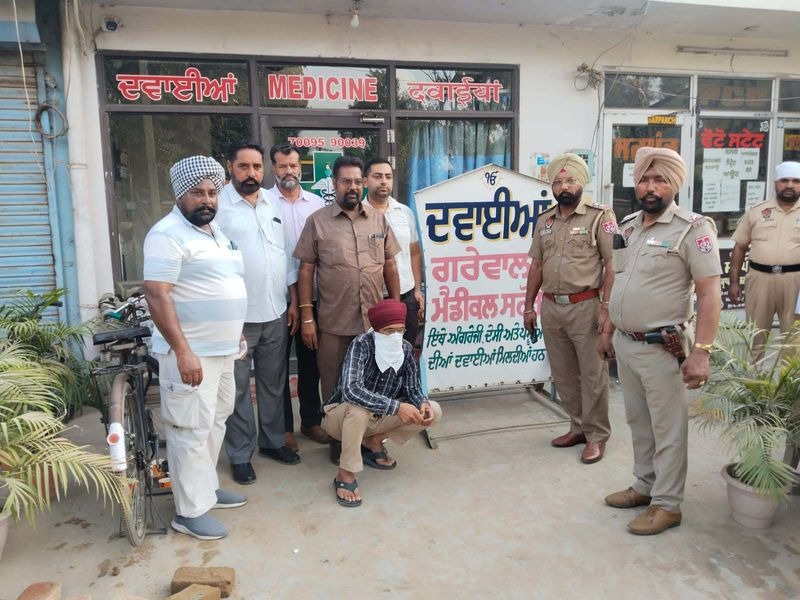
Pandey’s earnings were staggering: He claimed to amass ₹1 crore from his activities, using part of it—around ₹50 lakh—for bail each time he was caught. When arrested for the eighth time on November 9, 2025, during a sting operation by the Pre-Conception and Pre-Natal Diagnostic Techniques (PCPNDT) team and police in Jhunjhunu, he brazenly stated, “Who stays in jail for life? I go to relax, earn 1 crore, and 50 lakh goes in bail.” Authorities seized his equipment and remanded him, but his repeated releases underscore the episodic nature of enforcement. The article sensationalizes him as responsible for over 150 lives lost, though specific details on deaths remain unverified, pointing to the broader dangers of misdiagnosis and unsafe procedures by such quacks.
This case is emblematic of a nationwide epidemic. According to estimates, over 10 lakh quacks practice in India, with more than 50% of rural healthcare providers lacking formal training. These individuals often hold fake degrees or are school dropouts, yet they handle everything from routine check-ups to complex treatments, including during crises like the COVID-19 pandemic, where some were arrested for peddling counterfeit medicines. In dermatology alone, unqualified practitioners have proliferated, endangering patients with improper care.
Earnings for quacks can be lucrative, fueled by the desperation of underserved populations. In rural areas, where government hospitals are scarce, quacks charge exorbitant fees for substandard services, accumulating properties and assets. For instance, some build multi-story clinics or invest in land, turning quackery into a profitable enterprise. However, when caught, their responses often echo Pandey’s defiance, viewing arrests as temporary setbacks rather than deterrents.
Government actions remain sporadic and ineffective. State medical councils conduct raids, but police follow-through is rare. In Odisha, the government recently warned of strict measures against illegal practitioners, while in Kerala, a “Quack Cell” led to arrests, such as a woman posing as a doctor in July 2023. The National Medical Commission (NMC) Act of 2019 deems quackery illegal, yet an anti-quackery bill has been stalled for decades. Some programs even propose training quacks to fill doctor shortages, sparking debate on whether to regulate or eradicate them.
Communities in quack-dominated areas often protect these practitioners, viewing them as accessible “gods” despite the risks. As India’s healthcare gap widens, experts call for bolstering rural infrastructure and stringent laws to curb this menace, warning that without systemic change, quacks will continue to profit at the expense of public health.