Ujjain, Madhya Pradesh– In a significant boost to Madhya Pradesh’s industrial landscape, 11 leading companies from the health sector have committed to investing a staggering ₹600 crore in Ujjain’s Vikram Udyogpuri area. This landmark announcement, revealed during a high-level review of the state’s medical device park, is poised to transform the temple city into a premier hub for medical device production, generating over 1,700 direct employment opportunities and positioning the region as a key player in India’s burgeoning healthcare manufacturing ecosystem.
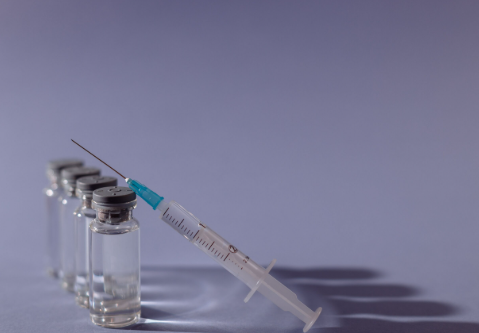
The initiative, spearheaded by the Madhya Pradesh Industrial Development Corporation (MPIDC), marks a pivotal step in the state’s ambition to shift from being a mere consumer of medical equipment to a robust production powerhouse. Units for manufacturing essential healthcare products such as syringes, needles, oxygen concentrators, and ICU monitoring devices will soon commence operations on land already allotted to the investors. This development not only underscores Ujjain’s growing appeal as an investment destination but also aligns with national goals to enhance domestic production under the Atmanirbhar Bharat framework.
A Game-Changer for Vikram Udyogpuri Medical Device Park
Established as part of Madhya Pradesh’s push towards self-reliance in healthcare infrastructure, the Vikram Udyogpuri Medical Device Park has already emerged as a magnet for investors. According to MPIDC data, a total of 66 companies have been allocated land within the park, with cumulative investments projected to reach approximately ₹2,899 crore. This broader ecosystem is expected to create over 11,000 jobs, injecting vitality into the local economy through ancillary industries, supply chains, and skill development programs.
The 11 new entrants, hailing from the competitive health sector, represent a diverse mix of established players eager to capitalize on Ujjain’s strategic location, robust infrastructure, and supportive government policies. While specific company names were not disclosed in the initial announcement—likely to be revealed at a forthcoming investor conclave—their collective ₹600 crore infusion will focus on high-tech manufacturing units tailored to meet both domestic demand and international export standards. Groundbreaking ceremonies and unit inaugurations are slated to begin in the coming months, with full-scale production anticipated within the next 12-18 months.
Rajesh Rathore, Executive Director of MPIDC, hailed the development as a “major milestone” in elevating Madhya Pradesh’s stature in the global medical devices arena. In an exclusive statement to Dainik Bhaskar, Rathore emphasized the transformative potential: “This will prove to be a significant milestone in making Madhya Pradesh a ‘Medical Device Hub.’ The state is no longer just a consumer; it is evolving into a production powerhouse. Products manufactured here will now reach markets both in India and abroad.” Rathore’s vision extends beyond immediate job creation, envisioning a ripple effect that includes technology transfer, innovation hubs, and partnerships with global firms to foster a sustainable industrial corridor.
Economic Ripple Effects and Employment Boost
The investment surge comes at a crucial juncture for Ujjain, a district renowned for its spiritual heritage but increasingly recognized for its economic dynamism. The park’s development is expected to prioritize local hiring, with a focus on skilling youth in areas like precision engineering, quality control, and biomedical technology. Over 1,700 direct jobs from these 11 companies alone will primarily benefit semi-skilled and technical workers, while indirect employment in logistics, packaging, and services could push the figure even higher.
Economically, the infusion is projected to add substantial value to Madhya Pradesh’s GDP through increased exports—medical devices from the park are earmarked for markets in Southeast Asia, Africa, and Europe. This aligns with the state’s recent policy incentives, including single-window clearances, subsidized land rates, and tax rebates under the Madhya Pradesh Industrial Promotion Policy 2021. Analysts predict that the park could contribute up to 5% of the state’s medical exports by 2030, reducing India’s import dependency on such devices, which currently stands at over 80%.
Local stakeholders, including the Ujjain District Industries Association, have welcomed the move, noting its potential to curb urban migration by creating stable, high-wage opportunities. “Ujjain’s blend of cultural significance and modern infrastructure makes it ideal for such ventures. This isn’t just about jobs; it’s about building a legacy of innovation,” said a representative from the association.
Broader Context: MP’s Industrial Renaissance
This announcement is part of a larger wave of industrial momentum in Madhya Pradesh, where investor summits and policy overhauls have attracted over ₹10 lakh crore in commitments since 2023. The medical device sector, in particular, has seen exponential growth post-pandemic, driven by heightened demand for affordable, indigenous equipment. Ujjain’s park, spanning 200 acres, is one of several specialized zones under the MPIDC umbrella, complementing similar hubs in Bhopal and Indore.
However, challenges remain, including the need for enhanced R&D facilities and sustainable energy solutions to support 24/7 operations. MPIDC officials have assured that collaborative efforts with institutions like IIT Indore and AIIMS Bhopal will address these gaps, ensuring the park’s long-term viability.
As construction ramps up and the first units take shape, Ujjain stands on the cusp of a healthcare revolution—one that promises not only economic prosperity but also a healthier future for millions. With the state’s proactive governance and investor confidence at an all-time high, the city of Mahakaleshwar is scripting a new chapter in India’s industrial saga. Further details on the companies and project timelines are expected at the upcoming Madhya Pradesh Investment Summit in December.