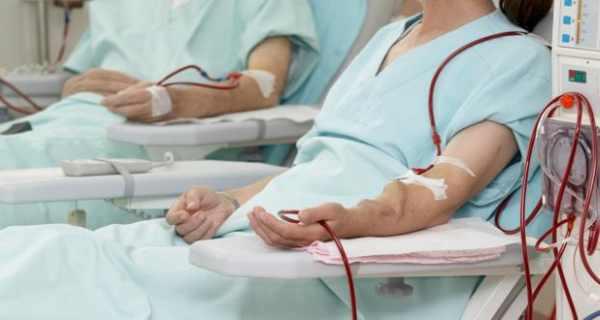

Healthcare services across Haryana are set to suffer major disruption as doctors under the Haryana Civil Medical Services Association (HCMSA) go on a two-day strike on 8 and 9 December.
The protest is centred around two key concerns, the demand for a revised assured career progression (ACP) structure and strong opposition to the direct recruitment of Specialist Medical Officers (SMOs). With over 3,000 doctors participating, government hospitals are expected to face enormous pressure.
Why Haryana Doctors Are Protesting Over Career Security
The central demand of striking doctors is the notification and implementation of the revised ACP scheme, which they say was approved by the government earlier in 2024 but has not been officially issued yet.
According to HCMSA, career security for in-service doctors is at risk if direct recruitment continues to supersede promotions.
Doctors argue that promotions should remain the main pathway to SMO posts, while direct recruitment creates uncertainty about long-term growth for those already in service.
The protest follows a two-hour pen-down strike on 27 November, which did not yield any concrete outcomes.
Haryana Doctors’ Strike: Government Claims Contingency Plans Are in Place
In response to the impending shutdown, the health department has announced contingency arrangements. Emergency services are expected to remain functional at civil hospitals and primary health centres to prevent a complete collapse of patient care.
Director General of Health Services, Dr Manish Bansal, stated that several salary- and service-related demands were evaluated by the finance department, but the proposal to divide specialist and non-specialist cadres was rejected. He urged the medical fraternity to resolve issues through dialogue rather than strikes.
Patients Bear the Brunt of the Haryana Doctors’ Strike
For thousands of patients dependent on public healthcare, the protest is a matter of deep worry. Many residents say they cannot afford private treatment, and frequent strikes jeopardise their health and survival.
Patients reported that pending tests, check-ups and follow-ups are now uncertain. For those with chronic illnesses, even a two-day interruption can lead to worsening conditions. As one patient put it, “For us, a strike is not a protest, it becomes a question of survival.”
Split Within the Medical Community Over Haryana Doctors’ Strike
Interestingly, not all medical professionals support the protest. A section of specialists has decided not to join the strike and will continue OPD services during the shutdown. They insist that halting direct recruitment of specialists will worsen staffing shortages, with over 600 specialist posts currently vacant across Haryana.
Specialists also highlight disparities in salaries, noting that MBBS medical officers and specialists draw similar pay, which they believe discourages doctors from pursuing higher qualifications.
They argue that the August 2024 notification for a separate specialist cadre should be implemented without delay.