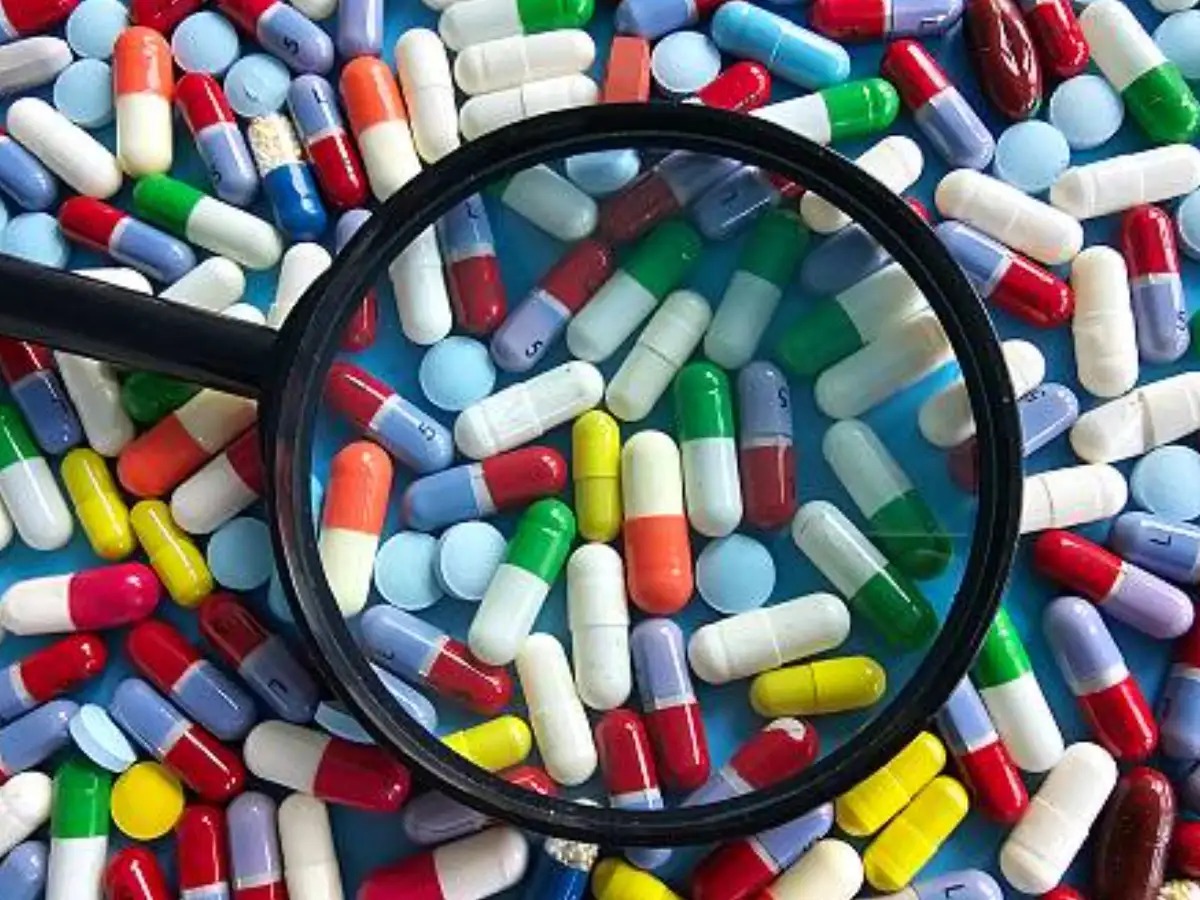
US President Donald Trump on Monday said nine pharmaceutical manufacturers, including Sun Pharma, have reached agreements with his administration to lower prescription drug prices for Americans in line with the lowest prices paid in other developed nations
The agreements bring the total number of pharmaceutical manufacturers with most-favoured-nation (MFN) pricing deals with the administration to 26, covering 89% of the branded drug market, according to the White House.
The other eight companies are Alcon, Astellas Pharma, BeOne Medicines, BridgeBio, CSL, Kyowa Kirin, Teva Pharmaceuticals and UCB.
The deals cover medicines used to treat a range of costly chronic and rare diseases, including cancer, haemophilia, Parkinson’s disease, macular degeneration, glaucoma, liver disease and skin conditions.
Under the agreements, every state Medicaid programme in the US will have access to MFN drug prices for products made by the nine companies. The White House said this would result in billions of dollars in savings for Americans.
The administration also said the companies have committed to provide MFN pricing for all new innovative medicines they bring to market, in an effort to prevent foreign countries from benefiting from lower prices while American patients bear higher costs.
Sun Pharma to contribute antibiotics to US reserve
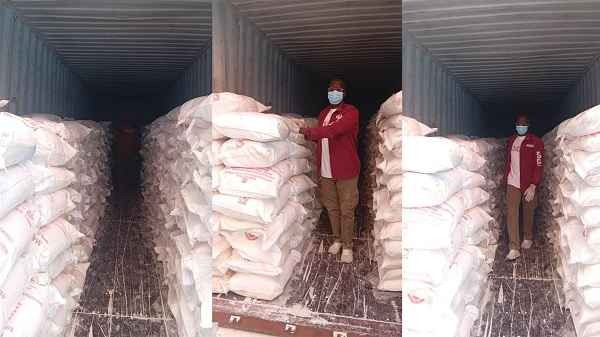
As part of the agreement, Sun Pharma has committed to contribute active pharmaceutical ingredients (APIs) to the US Strategic Active Pharmaceutical Ingredients Reserve (SAPIR), aimed at reducing the country’s reliance on foreign suppliers and strengthening supplies during emergencies.
Sun Pharma will contribute 71.4 tonnes of clindamycin and 6.75 tonnes of doxycycline, both antibiotics used to treat bacterial infections, to the reserve.
The nine manufacturers have collectively committed to invest at least $19.6 billion in US manufacturing in the near term, according to the White House.
Other companies also agreed to contribute APIs to the reserve. UCB will contribute 163 tonnes of levetiracetam, while Teva Pharmaceuticals will contribute 45 tonnes of metronidazole and 4.8 tonnes of amlodipine. Astellas will contribute 25 kg of tacrolimus, an immunosuppressant used to prevent organ rejection following organ transplants.
Trump administration targets lower drug prices
The White House said the latest agreements build on Trump’s broader push to bring US prescription drug prices in line with those paid in other developed countries.
Trump signed an executive order in May 2025 directing his administration to pursue MFN prescription drug pricing. In July that year, he sent letters to 17 leading pharmaceutical manufacturers demanding steps to bring US drug prices down to the lowest prices offered in other developed nations.
Pfizer became the first drugmaker to reach an MFN agreement with the administration in September 2025. Since then, the administration has announced agreements with several major pharmaceutical companies, including Eli Lilly, Novo Nordisk, Amgen, Bristol Myers Squibb, Merck, Novartis, Sanofi, Johnson & Johnson, AbbVie and Regeneron.
The administration launched TrumpRx.gov in February 2026, allowing patients to access discounts on several high-priced medicines. The White House said patients have saved more than $700 million through the programme since its launch.
The Council of Economic Advisers estimates that Trump’s MFN agreements could generate $600 billion in savings over the next decade, according to the White House.
Trump has also called on Congress to pass his proposed Great Healthcare Plan, which would aim to lower drug prices and insurance premiums while increasing price transparency.
The report comes around three days after Bloomberg News reported that Trump’s administration is planning to announce a new round of drug-pricing agreements with midsize biotech companies. The report said that the firms would agree to provide discounts on outpatient drugs to state Medicaid programs such that the prices states pay align with what the companies charge in foreign countries.