KOLKATA – Those involved in the smuggling of Phensedyl cough syrup across the border to Bangladesh are now transporting consignments in premier trains. During a raid at the parcel godown in Sealdah station, the Railway Protection Force (RPF) seized 1,700 bottles of the banned cough syrup. The consignment had been booked as parcels on the Down New Delhi-Sealdah Duronto Express from Delhi. The bottles were handed over to the Narcotics Control Bureau (NCB) .A gate pass had also been prepared accordingly but nobody had turned up to collect the parcels. This made us suspicious and we opened them. There were 1,700 bottles of Phensedyl inside. The production and supply of this Codeine-based syrup is banned. In all probability, the bottles were brought for smuggling across the border to Bangladesh where the substance is banned as well. We have cross-checked and found the consignor and consignee to be bogus,” said K M Siraj, inspector, RPF, Sealdah. Officials say that they can’t recall any such consignment ever being detected among the parcels moved by train, particularly premier ones like Duronto and Rajdhani. “The smugglers may have chosen the train to evade detection. They may have felt that parcels being moved in such premier trains won’t be checked,” an official said. Phensedyl has been a bone of contention between India and Bangladesh for several years now. The cough syrup was always banned in Bangladesh but was legally sold in India till March this year. Consignments of the syrup was regularly smuggled across the border to Bangladesh and was used as a narcotic by the youth there. For years, Bangladesh had requested India to stop the smuggling of Phensedyl. The ban on the syrup in India from March this year came as a shot in the arm for enforcement agencies like the NCB and promised to improve bilateral ties between the two nations. “Unfortunately, smuggling of Phensedyl is still continuing though the quantum has gone down significantly. A few months ago, the NCB grilled senior officials of a pharma company after suspecting them of being involved in the illegal trade. After the ban, it has become easier for us to seize consignments and take people into custody. Hopefully, this racket will come to an end soon after the existing stocks run out and production stops,” a senior NCB official said.

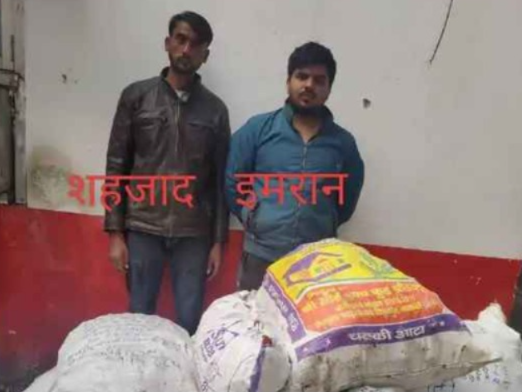
13 Years after Oxytocin Order, HC Seeks Compilance Status
GWALIOR: The Gwalior Bench of the Madhya Pradesh High Court has directed the state government to submit a comprehensive compliance status report. This order addresses the implementation of the court’s…