New Delhi: The Central Drugs Standard Control Organisation (CDSCO) has released the guidelines and Standard Operating Procedures (SOPs) related to the compounding of offences under the Drugs and Cosmetics (Compounding of Offences) Rules, 2025, to guide companies or individuals involved in pharma manufacturing or sales activity approach the Compounding Authority to settle offences under the relevant provisions of the regulation.
The guidance document, prepared by the CDSCO to assist all stakeholders to understand and comply with the newly notified rules, is intended to provide clarity on the application procedure, roles of authorities, eligibility, powers of compounding authority, immunity provisions, and associated forms to promote transparency, uniformity, and ease of compliance.
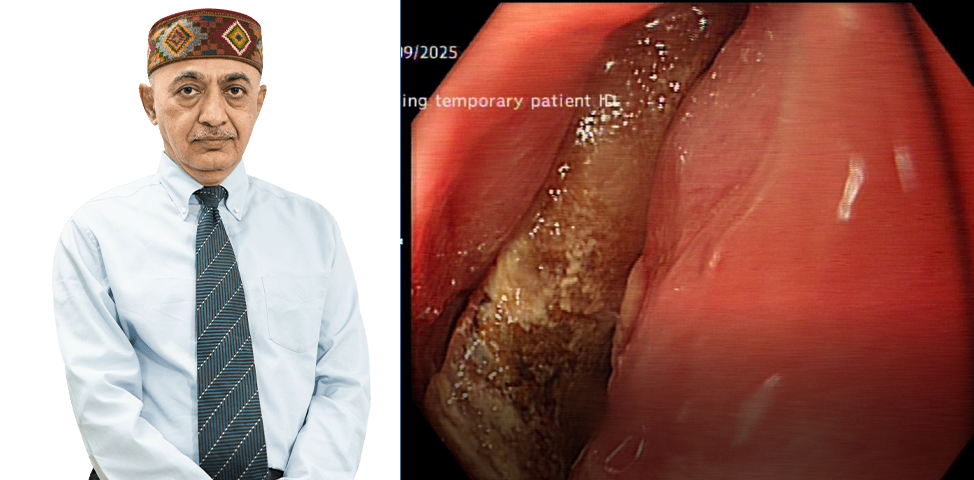
“Any stakeholder desirous of applying for compounding of offences under the said Rules may submit the application in the prescribed form in physical copy along with advance copy through email …. as specified under Rule 4 of the Drugs and Cosmetics Compounding of Offences) Rules, 2025, to the Compounding Authority,” said Dr Rajeev Singh Raghuvanshi, Drugs Controller General (India) (DCGI), releasing the guidelines and SOP.
A Frequently Asked Questions (FAQ) and answers document has also been released as further clarification on these documents.
The guidelines is applicable to CDSCO head office, zonal and sub zonal office and port offices. Based on the guideline, the applicants – any company or person engaged in manufacturing, import, sale, distribution or other activities under the Act – can approach the Compounding Authority, who is an officer appointed by the Central or state government authorised to process and decide on compounding applications, either before or after the institution of prosecution.
The applicant shall make the application in a specific form through physical mode along with an advance copy in email to the office of the Compounding Authority with all relevant information and documents.
The Compounding Authority shall call for a report from the reporting authority under whose jurisdiction office has been committed. The Central License Approving Authority headed by the DCGI is the reporting authority appointed by the Central government, and the licensing authority appointed by the state government are the reporting authorities.
The reporting authority, within five days, shall ask the report of the concerned zonal, sub-zonal or port office in whose jurisdiction the offence has been committed. These offices shall forward their report within 10 days of receipt of application and the reporting authority shall forward its report to the Compounding Authority within one month of receipt of compounding application for the report, or within such extended period as allowed by the compounding authority.
“The compounding authority after taking into the account the content of the application may, by order either allow the application indicating the compounding amount and grant him immunity from prosecution in terms of Rule 6 of Drugs and Cosmetics (Compounding of Offences) Rules, 2025 or reject the compounding of offence application,” says the guideline.
The compounding authority shall afford the personal hearing before rejecting the application and the ground of rejection shall be mentioned in the order. Every order passed by the compounding authority shall be communicated to the applicant.
The applicant shall pay the compounding amount as per the order within a period of 30 days from the date of receipt of the order. The compounding amount once paid shall not be refundable except in cases where court reject grant of immunity from prosecution grant by the compounding authority.
The compounding authority shall grant immunity from prosecution, if it is satisfied that the applicant has cooperated in the proceeding and has made full and true disclosure of facts relating to the case. The immunity may be granted subject to conditions as the compounding authority deems fit.
The guideline also elaborates the conditions under which the immunity could be withdrawn, including in cases where the applicant fails to pay the compounding amount within the specific timeframe, if the applicant fails to comply with any conditions subject to which immunity was granted, or if satisfied that such applicant had, in the course of compounding proceedings, concealed any particulars, material or had given false evidence, among others.
It may be noted that the compounding of offences provision was brought into the Act through the Jan Vishwas Amendment, notified in 2024, with effective date fixed as December 31, 2024.
The amendment was brought in recognising the need to address minor and technical contraventions without overburdening the judicial system. Section 32B was introduced under the Act to allow for compounding of offences
The draft of Drugs and Cosmetics (Compounding of Offences) Rules, 2023, was published in July, 2024 and made into the final Rule on April 24, 2025. The Centre has appointed Dr Rajshree, Additional Director General of Health Services (DGHS), Directorate General of Health Services (HQ), New Delhi, through an office memorandum on August 1, 2025.