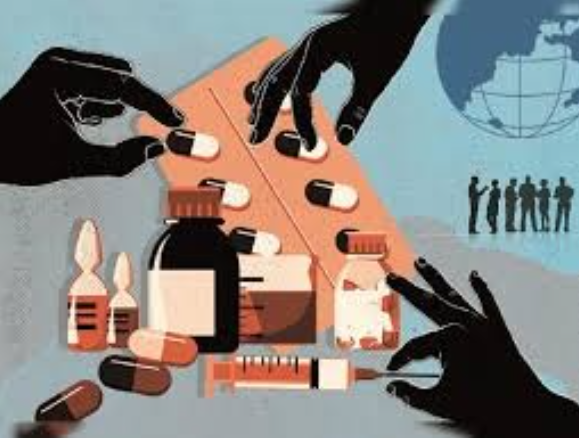

India is preparing to revamp its pharmaceutical licensing system amid growing scrutiny over drug safety lapses. Mint has learnt that the government is working on a separate wholesale licensing framework for bulk drugs, active pharmaceutical ingredients (APIs) and key starting materials (KSMs), aimed at improving oversight and traceability across the supply chain.
Three government officials familiar with the matter told Mint that a draft notification is being prepared to introduce a distinct licensing regime for raw pharmaceutical materials. The move would dismantle the existing system under which bulk drugs and finished formulations operate under a common licence. Officials said this would allow the Drugs Controller General of India (DCGI) to create a long-missing registry of nearly 1.2 million bulk drug traders, significantly strengthening accountability in the sector.
Mint reports that concerns around transparency in the raw material supply chain intensified after incidents involving cough syrups contaminated with diethylene glycol, which triggered serious safety alarms. One of the officials said closer monitoring of high-risk solvents, including propylene glycol used in formulations, has become urgent.
The proposed overhaul seeks to establish a comprehensive database of bulk drug dealers, improve traceability of imported raw materials and enable regulators to quickly identify suppliers of substandard inputs. Mint notes that more than 70% of India’s bulk drug imports originate from China. The domestic pharmaceutical market is valued at about 50 billion dollars, while the APIs, bulk drugs and advanced intermediates segment alone was worth roughly 3.5 billion dollars in FY25.