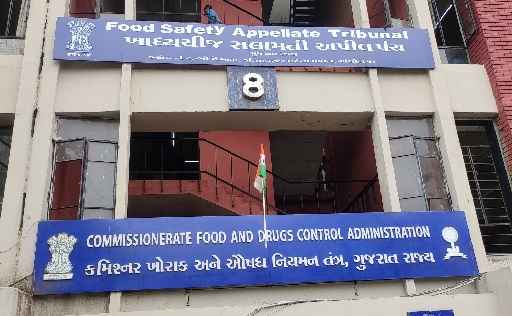
Mumbai: In a decisive move to bolster the pharmaceutical industry’s compliance with international quality standards, the Gujarat Food and Drug Control Administration (FDCA) has successfully equipped 2,000 manufacturers across the state to implement revised Schedule M through extensive training programs. It recently concluded training workshops in Vadodara, Ahmedabad and Gandhinagar. Most of the manufacturers are from the MSME category.
It had recently collaborated with the Indian Drug Manufacturers Association (IDMA) Gujarat Chapter to train 300 Gujarat-based manufacturers, focusing on the effective implementation of the revised Schedule M Guidelines. The Central Drugs Standard Control Organisation (CDSCO) had also conducted workshops on revised Schedule M in Ahmedabad last year to usher in effective understanding of the new guidelines to build a quality culture for all stakeholders.
Dr H G Koshia, commissioner of Gujarat FDCA, underscored the urgency of this initiative, stating, “There is an urgent need to equip manufacturers on the implementation of the revised norms to sustain our credibility as the Pharmacy of the World. This has brought the onus on us to adopt collaborative initiatives to meet the evolving international regulatory requirements of the developing and developed markets.”
The Gujarat FDCA had last year organized a workshop on revised Schedule M in Himatnagar Municipality of Sabarkantha district in Gujarat. Around 75 Micro, Small and Medium Enterprises (MSMEs) participated in the workshop.
Gujarat boasts of the highest number of over 1,081 WHO-GMP units and 140 US FDA approved drug manufacturing units in the country. There are around 10,500 manufacturing units in the country out of which around 8,500 fall under MSME category. India is a major exporter of medicines to low- and middle-income (LMIC) countries which require WHO-GMP certification. The country has about 2,000 units in the MSME category in the country having WHO-GMP certification.
The CDSCO has been proactive in this regard, having conducted 23 residential training programs over the past one year. These sessions were meticulously designed to address critical aspects such as risk-based inspections, prosecution launches, the adoption of new therapies, and harnessing Industry 4.0 technologies. These efforts have led to the successful training of 1,100 regulators, enhancing regulatory efficacy and adherence to the revised Schedule M regulations.
Requirements related to batch record review, stability studies and computerised systems have also been provisioned revised Schedule M to meet global pharmaceutical quality system, according to regulatory experts.
The new version of Schedule M, notified on October 5, 2018, aims to ensure compliance with drug standards, promote exports, and build trust in the quality of drugs manufactured and sold. The Union Health Ministry’s directive on August 2, 2023, mandated that large pharmaceutical companies, with turnovers exceeding Rs. 250 crore, must achieve WHO-GMP certification within six months, while medium and small-scale enterprises have been given a 12-month timeframe.
Under the revised norms, the term ‘Good Manufacturing Practices’ (GMP) has been expanded to ‘Good Manufacturing Practices and Requirements of Premises, Plant and Equipment for Pharmaceutical Products,’ reflecting a more comprehensive approach to quality assurance in the pharmaceutical sector.
The pharmaceutical industry in the country has hailed the notified revised Schedule M norms released on January 5, 2024 with industry centric provisions like retesting of expired active pharmaceutical ingredients (APIs), annual Product Quality Review (PQR) and Quality Risk Management (QRM).