‘Pardesh’ & ‘Dhadkan’ fame Cancer Survivor Bollywood Diva has red flagged Young Women
 New Delhi: The sexually suggestive risqué song ‘ Choli ke Peechhe Kya Hai’ flaunted by Bollywood’s ‘Dhak Dhak’ girl Madhuri Dikshit with chutzpah in Khalnayak was a smash hit and grabbed eyes of young men and women alike. But, as breast cancer is hitting women hardest, this song has assumed a sinister connotation. ‘Pardesh’ and ‘Dhadkan’ fame cancer survivor Bollywood Diva Mahima Choudhary has red flagged young women about breast cancer menace assuming epidemic proportions saying “she was lucky that it was caught quite early’ and she could defeat the ‘khalnayak’ with panache” and coxed young women to be ever vigilant and turn out as lucky as her. In her upcoming film ‘Durlabh Prasad ki Doosri Shadi’ she is poised to appear in different kind of role any time.
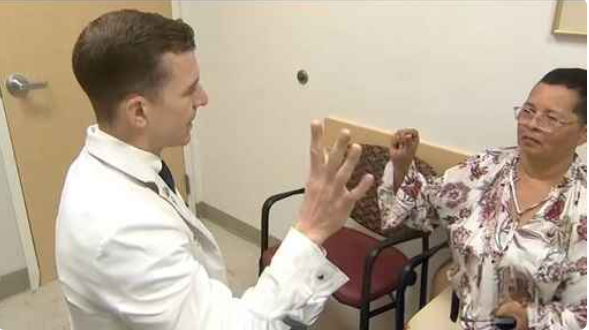
In an event in Aerocity hotel Pride Plaze, Mahima in a fireside chat with ‘visibly smitten’ renowned oncologist Padma Shree Dr Ashok Kumar Vaid, Chairman, Oncology, Medanta Medicity, narrated her battle and triumph against Breast Cancer. The event was organized yesterday by Breast Cancer in Young Women Foundation (BCYWF) and Indian Oncology Foundation (IOF). She counseled young women that in case they found it, they should not hide it from family and confront it upfront.
The two day 2nd International Conference on Young Women’s Breast Cancer and Health was held from 15–16 November 2025. The conference brought together oncologists, researchers, policymakers, and survivors to address India’s growing burden of early-onset breast cancer.
Mahima Choudhary’s story turned out a powerful story of courage, hope, and healing. Her message encouraging young women to prioritize early detection, awareness, and emotional strength in their health journeys is bound to make young women of India greatly
In India, breast cancer has become the most commonly diagnosed cancer among women, with a significant rise in cases among women under 45. More than one-fourth of breast cancer cases now occur in women below 40, a trend linked to lifestyle factors, delayed childbirth, reproductive changes, and limited awareness. Younger women often experience aggressive tumour types, delayed diagnosis, and challenges in early detection due to dense breast tissue, resulting in late-stage presentations and poorer outcomes.
Highlighting the urgent need for awareness and prevention, Dr. Ashok Kumar Vaid said: “This is a strong message to everyone that lifestyle is one of the most important modifiable risk factors for cancer. The way we live, the diet we consume, and the physical activity we engage in play a crucial role in preventing cancer. Breast cancer among young women, especially those below 40, is rising and tends to be more aggressive. Women must become more breast-aware, adopt healthier lifestyles, and take proactive steps to prevent cancer, particularly breast cancer.”
Despite advances in treatment, India continues to record high mortality rates due to late diagnosis. Experts emphasise that early detection through breast self-examination, timely clinical evaluation, and appropriate imaging can dramatically improve survival. The conference will focus on strengthening awareness, refining diagnostic pathways, and shaping age-specific guidelines tailored to young women.
Across two days, the event will feature scientific sessions on the biological, psychological, and social dimensions of breast cancer in young women, along with cutting-edge research, treatment updates, and survivor-led storytelling. Mahima Chaudhary’s session will emphasise resilience, early diagnosis, and community support.
Through this initiative, BCYWF and IOF aim to build a strong global community committed to improving young women’s breast health. By encouraging collaboration and addressing India’s unique challenges, the conference seeks to drive impactful change, promote timely diagnosis, and support ongoing research for better outcomes.