Hyderabad : Pharmaceutical exports, particularly to GCC and WANA regions, are likely to be impacted significantly amid challenges triggered by the war in West Asia, the uncertainty over cargo movement being the foremost, the Pharmaceuticals Export Promotion Council of India said on Thursday.
Given the importance of this market, disruption of March’s exports could result in a potential loss of ₹2,500 to ₹5,000 crore for the Indian pharma industry, the exporters’ body under the Union Commerce Ministry said.
GCC countries account for 5.58% of total Indian exports. Exports to WANA countries rose from $1,320.44 million in 2020-21 to $1,749.68 million in 2024-25, it said in a statement.
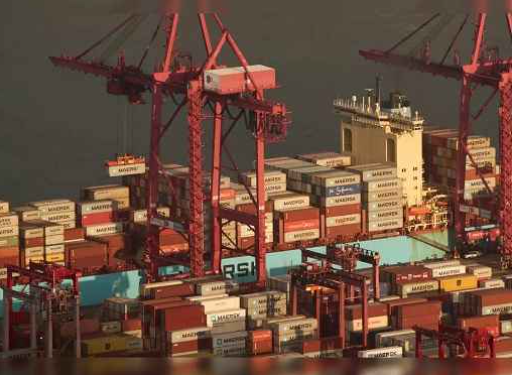
Chairman Namit Joshi said doubling of freight charges for both imports and exports, accompanied by surcharges of $4,000–$8,000 per shipment, has put substantial pressure on the pharma companies. Key routes like the Red Sea, Strait of Hormuz and the Gulf shipping corridors are facing risks of re-routing or delays, potentially impacting delivery schedules. It is particularly concerning for temperature-sensitive products.
Another fallout is the cost escalation across the supply chain. Crude oil price fluctuations, rising logistics costs for active pharmaceutical ingredients (APIs) and finished formulations and shipping delays are bound to affect inventory cycles, he said.
Pharmexcil continues to closely monitor the situation and actively engaging with stakeholders in the logistics and trade sectors to explore ways to mitigate the impact on pharmaceutical exports. It is for increased collaboration with government authorities to seek possible freight relief measures such as subsidies or logistical support for pharma exporters. Diversification of shipping routes and exploration of alternative logistics options to ensure stability of supply chains as well as continued dialogue with international regulatory bodies to ensure timely availability of the products in key markets are other measures it has mooted.
The UAE, Saudi Arabia, Oman, Kuwait and Yemen are highly dependent on India for affordable medicines and generic formulations. Pharmexcil data also indicates significant growth in emerging markets such as Jordan, Kuwait and Libya as well as product categories like vaccines, surgical products and AYUSH formulations.
SOURCE : The Hindu