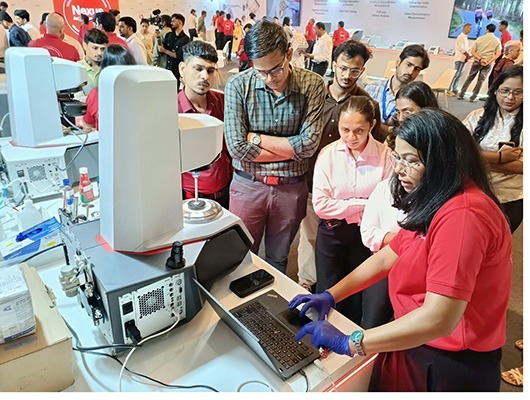

New Delhi, August 19, 2025 — Global med-tech companies have urged the Centre to allow refurbished medical device imports again and include medical devices in India’s repair-services push. The request comes after the drug regulator told customs in January 2025 to stop refurbished device imports because the Medical Devices Rules, 2017 do not provide for such licences. Industry believes a calibrated reopening can lower costs and expand access to imaging and critical-care equipment in tier-2 and tier-3 hospitals. Daijiworld
Background
In January, the Central Drugs Standard Control Organisation (CDSCO) wrote to customs to halt refurbished imports, citing the absence of a licensing pathway under current rules. Domestic manufacturers welcomed the move, arguing it would curb dumping and support Make-in-India capacity. Multinationals, meanwhile, say hospitals lost an affordable route to MRI, CT, cath-lab and anaesthesia systems. Daijiworld
What the industry is asking
According to an ETHealthworld report, multinational members represented by MTaI have asked the government to reinstate refurbished imports with approvals from the Directorate General of Health Services (DGHS) and the Environment Ministry, and to admit medical devices into India’s ERSO (Electronics Repair Services Outsourcing) initiative so India can become a regional repair hub. ETHealthworld.commedgatetoday.com
Why it matters
Refurbished systems typically cost 30–50% less than new units, yet can meet performance norms when OEMs do the refurbishment and the country enforces strong testing and traceability. For district hospitals, that price gap can mean an extra CT scanner on site or faster turnaround for oncology care. However, without strict pre-shipment checks, post-market surveillance and extended service obligations, refurbished inflows can undercut quality and crowd out local manufacturing. A balanced framework is the challenge.
The policy hooks
India has already built a Right to Repair policy architecture and a national portal stewarded by DPIIT. Industry says medical devices should plug into that stack, and ERSO can anchor skilled jobs in repair, calibration and parts management — with clear e-waste rules for end-of-life equipment. Regulators, on the other hand, want an auditable chain: origin, refurbisher credentials, safety tests, radiation checks, warranty, service support and e-waste compliance. MeitYmedgatetoday.com
What a “yes, but” model could look like
-
Allow only OEM-refurbished or OEM-authorised equipment with global UDI traceability and a minimum warranty period.
-
Mandate pre-arrival conformity assessment and radiation safety certification for imaging devices.
-
Tie every import to service-uptime guarantees, spare-parts availability and end-of-life take-back.
-
Ring-fence segments with strong domestic capacity for local-first procurement.
-
Route all transactions through a refurb registry linked to CDSCO’s post-market surveillance.
Expert view
Policy analysts point out that many countries run such hybrid models: refurbished flows are allowed, but only with OEM refurbishment, strict testing and transparent service contracts. That approach preserves patient safety while easing capital costs for public hospitals.
The road ahead
The government will have to weigh access, affordability and Atmanirbhar goals. A pilot with capped volumes, tighter documentation and real-time vigilance may offer evidence without risking the market. Either way, hospitals need clarity soon to plan capex cycles and maintain uptime of critical services.