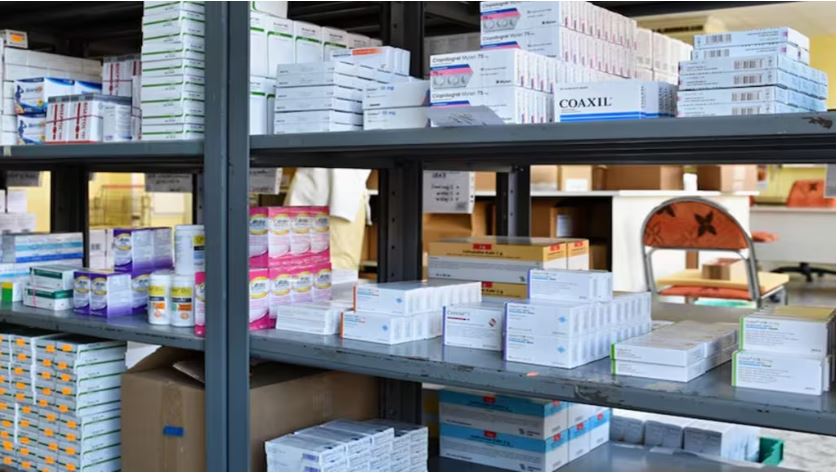
The US’ threat to impose reciprocal tariff from April 2 on Indian exports has received mixed reaction from the domestic pharma sector. A section of the industry are hoping for preferential treatment being given to the sector by the Trump administration given that branded generics from India help the US consumers to cut healthcare costs.
Viranchi Shah, national president at Indian Drugs Manufacturers Association (IDMA) said that while India accounts for just 5.6% of the US’ total pharma imports of $160 billion annually, the country supplies he largest amount of low-cost generics to the US market.
“Nearly 47% of all generic drugs to the US are from India. These drugs effectively bring down the healthcare cost for US consumers. We are playing a positive role, and we are expecting that Indian pharma products would not get the same tariff treatment as being meted out to steel and auto components,” said Shah.
On its part, the Indian Pharmaceutical Alliance (IPA), which consists of India’s largest drug makers, has recommended that duties on drugs from the US be reduced to zero, so that India’s export prospects aren’t negatively impacted by reciprocal levies.
Currently, exports of Indian drugs to the US attract zero tariffs, while the Indian tariffs range from zero to 10%, with most products attracting either nil or minimal levies. Increasingly, India has been lowering the customs duties on lifesaving drugs on a most favoured nation basis to rein in costs to the consumes.
India currently exports about $8.7 billion worth of formulations (generic drugs) and $1 billion of API (active pharmaceutical ingredients) annually to the US. In comparison, drugs imports from US stands at around $800 million.
Most imported drugs from the US already have zero tariffs. Recently, the union budget proposed basic customs duty (BCD) exemption on 36 life-saving drugs and medicines and concessional customs duty of 5% for six more medicines. “The tariffs are already close to zero on most products. Some imported drugs (from the US) have 5-7.5% tariffs which can be made full exempt,” said an industry source.
Sujay Shetty, global health industries advisory leader at PwC India said that the proposed increase is tariffs would result in higher cost of drugs for the US consumers, and in some cases, the domestic pharma companies will have to absorb the higher tariff cost. “It would not be economically prudent for the Indian drugmakers to shift their manufacturing to the US or some other country because the cost benefits would not be substantial to make such a move,” he said.





%20In%20Drug%20Development)