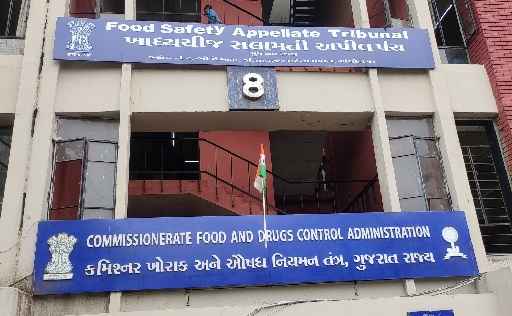
Mumbai: The Gujarat Food and Drug Control Administration (FDCA) has taken stern regulatory actions against 14 pharmaceutical manufacturing companies for serious violation of Good Manufacturing Practices (GMPs).
As part of the ongoing risk-based inspections, these regulatory actions include issuance of Show Cause Notices (SCNs) and stop manufacturing orders to companies which were not following hygiene practices and were targeted for very serious quality concerns.
Gujarat FDCA commissioner Dr. H G Koshia informed, “Based on the inspections conducted between January and March 2024 of a total 23 companies, around 14 companies were issued stop manufacturing orders with immediate effect and 9 companies were issued SCNs in the interest of public health and safety.”
The state regulator had taken similar regulatory actions against eleven pharmaceutical companies located in Bharuch, Baroda, Ahmedabad, and Gandhinagar last year in November.
During phase-2 of the risk-based inspections last year, seven companies in Ahmedabad and Gandhinagar faced regulatory scrutiny, resulting in the cancellation of licenses for four because of poor compliance in hygiene standards. The issues were also related to quality control and GMPs, particularly affecting MSMEs. This phase also saw the initiation of plant shutdowns in companies located in Ahmedabad and Gandhinagar.
Gujarat FDCA commissioner highlighted that only one pharmaceutical manufacturing unit at Ankleshwar in Bharuch district, which adhered to Form 25 and 28 licensing requirements, was approved for restarting operations.
Regulatory actions were also taken in June 2023, during which manufacturing and production of several manufacturing plants were halted due to non-compliance with GMPs. This also included inadequate maintenance of analytical instruments and production equipment. In Vadodara alone, two companies received SCNs, and four product licenses were cancelled due to quality issues.
The third phase of the risk-based inspections targeted four companies involved in the production of veterinary drugs, with three ordered to stop manufacturing following a SCN. The reasons cited included quality lapses deemed detrimental to patient safety, particularly in the production of oral solid dosage forms.