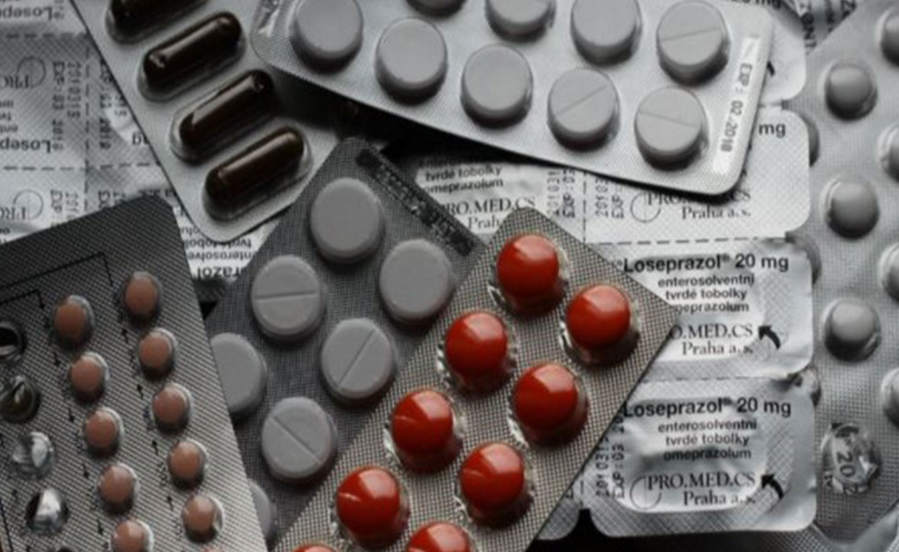
Recently, Indian health ministry removed a list of banned combination medicines as they had no therapeutic value and were risky for human health if consumed and added restrictions on six more same type drugs.
344 drugs were banned before and the ban on 328 such drugs is effective immediately and may shave off over Rs 1,500 crore from India’s Rs 1.18 lakh crore pharmaceutical industry. Brands that will be going off from pharmacy shelves are Saridon, Panderm Plus, and Taxim AZ, according to the report published by market research firm AIOCD Awacs PharmaTrac.
The banned drugs are Fixed-dose combinations (FDCs), which simply are combinations of two or more therapeutic ingredients. The health ministry took a decision after the confirmation received from the Drugs Technical Advisory Board (DTAB) which clearly said that the composition of these FDCs have no therapeutic justification and they may be harmful. The ministry had followed the recommendations of DTAB as well as an expert committee set up a few years ago to check the safety and rationality of these medicines.
The health board finally decided to put the ban on these FDCs manufacturing, sale or distribution in the larger public interest with immediate effect. The health ministry also specified that the use of these FDCs in recommendations for patients is not justifiable. The manufacturing, selling, and marketing of these six FDCs will be subject to certain conditions based on their therapeutic justification.
According to senior ministry officials words, the latest ban is not included cold medicines & cough syrups like Phensedyl, Grilinctus, and D’Cold Total, belong to combinations manufactured since 1988. The decision is in the compliance with a Supreme Court order of December 2017 asking for the DTAB to review the matter.
The first ban imposed on 349 FDCs in 2016 and 2017 by the health ministry, as they were “unsafe” and “irrational” for use and it impacted over Rs 3,000 crore of the pharma industry and large companies including Pfizer and Abbott. Since then, pharma manufacturing has cut down their drugs production in the FDC category.
According to PharmaTrac report data, FDC market grew 2.2%, while the non-FDC market grew 8.9% in August 2018. The ban obviously put a loss to drug makers like Mankind Pharma, which is about to stop FDC production. According to Ramesh Juneja, chairman of Mankind Pharma,
Words they are slowly stopping FDC products as of this constant sword of the ban hanging over our head. So that’s why our growth to has come down.